The Ultimate Guide to Training Your Energetic Siberian Husky at Home
Understanding Siberian Huskies’ Unique Traits
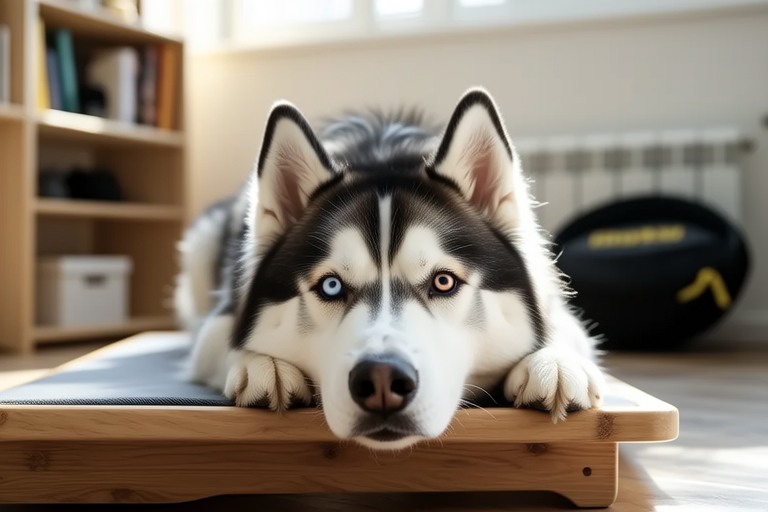
Siberian Huskies are known for their striking blue or multi-colored eyes, thick coats, and wolf-like appearance. They were originally bred by the Chukchi people of Siberia as sled dogs, which explains their incredible stamina and endurance. These dogs are highly intelligent, independent, and full of energy. Their strong prey drive and tendency to roam can make them challenging to train. Understanding these traits is crucial for effective training.
Essential Basic Training Commands
Teaching your Siberian Husky basic commands is the foundation of good behavior and safety. Start with simple commands:
- “Sit”: Hold a treat above the dog’s nose, then move it slightly back towards their tail. As they look up and lower their bottom, say “sit” and give the treat.
- “Stay”: Begin with the sit command, then extend your hand palm forward while saying “stay.” Take one step back and if the dog remains still, reward with a treat.
- “Come”: Use a happy, excited tone when calling your dog’s name followed by “come.” Praise and reward generously when they arrive.
- “Leave It”: Place a treat in your closed hand and let your dog sniff it. When they stop trying to get it and look at you, say “leave it” and give them a different treat.
Strategies for Channeling Their High Energy Levels
Huskies require significant physical activity to stay healthy and happy. Here are some ways to keep them active:
- Long walks and runs: Daily exercise is vital; aim for at least an hour of vigorous activity.
- Interactive toys: Puzzle toys and games that stimulate their minds are beneficial.
- Training sessions: Incorporate play into training to make it enjoyable.
- Agility courses: Participating in agility sports can provide mental and physical stimulation.
Tips for Consistent and Positive Reinforcement Training Methods
Positive reinforcement is key when training a Siberian Husky. Reward good behavior immediately with treats, praise, or petting. Avoid punishment, as it can lead to fear or aggression. Keep training sessions short (5-10 minutes) and frequent throughout the day. Use high-value treats for motivation and gradually phase out treats as the behavior becomes habitual.
Common Challenges Faced During Training
Training a Siberian Husky can be challenging due to their independent nature. Some common issues include:
- Resistance to commands: Huskies may ignore commands due to their strong-willed personality. Be patient and persistent.
- Barking: They tend to bark more than other breeds. Teach them the “quiet” command by rewarding silence.
- Destructive chewing: Provide appropriate chew toys and redirect chewing behavior when necessary.
- Escaping: Their desire to explore can lead to digging under fences. Ensure your yard is secure and consider adding a top layer to the fence.
Advice on Maintaining a Healthy and Stimulating Environment for Them at Home
Creating a stimulating environment helps manage your Husky’s energy and keeps them mentally engaged:
- Interactive toys: Rotate toys regularly to prevent boredom.
- Playtime: Spend quality time playing with your Husky every day.
- Mental exercises: Train them to perform tricks or teach them new skills.
- Proper diet: Feed a balanced diet that meets their nutritional needs.
- Regular vet check-ups: Ensure their health is monitored regularly.
Conclusion
Training a Siberian Husky requires patience, consistency, and creativity. By understanding their unique traits, implementing positive reinforcement, and providing ample exercise and mental stimulation, you can successfully train your energetic companion. Remember, every dog is different, so adapt your approach based on your individual Husky’s needs and responses.
