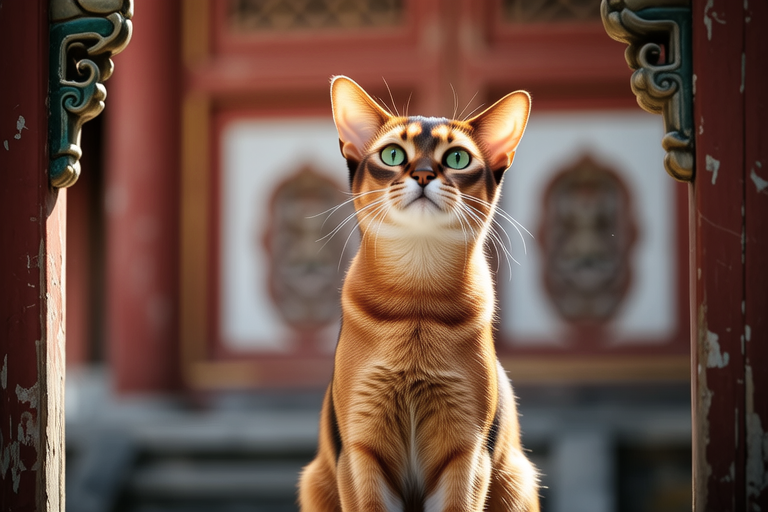
From Temple to Home: A Journey with the Abyssinian Cat
The Abyssinian cat, often referred to as the “Aby,” has captivated hearts for centuries. This elegant feline boasts a fascinating history, distinct physical characteristics, and a charming personality that makes it one of the most beloved breeds today. Let us embark on a journey through time, tracing the origins of this enigmatic breed from ancient temples to modern homes.
Historical Roots: The Sacred Beginnings
The origins of the Abyssinian cat are steeped in mystery and legend. Some believe these cats hail from ancient Egypt, where they were revered as sacred beings, often depicted in hieroglyphics and mummified alongside their human companions. Their presence in temples suggests a deep spiritual connection, possibly serving as protectors of the divine.
Historians and archaeologists have unearthed evidence pointing towards Abyssinian cats’ presence in the region that is now Ethiopia, further supporting the theory of their ancient lineage. These early Abyssinians may have been brought to other parts of the world by traders and explorers, carrying with them tales of their mystical past.
Genetic Makeup and Physical Traits
The Abyssinian cat’s striking appearance is a result of its unique genetic makeup. It is believed that the breed’s distinctive ticked coat pattern, which resembles a tabby but extends over the entire body, is due to a recessive gene known as ‘ticked tabby.’ This feature gives the Abyssinian a wild yet elegant look, reminiscent of the cats depicted in ancient Egyptian art.
One of the most notable features of the Abyssinian is its coat color, which typically comes in four recognized colors: Ruddy (the classic brownish-gold), Blue (a soft gray), Fawn (a light tan), and Sorrel (a warm reddish-brown). Each hair strand is banded with alternating lighter and darker shades, creating a rich, textured appearance.
Complementing their coat, Abyssinians possess large, expressive ears and wide-set, almond-shaped eyes that can be green, gold, or hazel. Their slender bodies and long legs give them a graceful, athletic appearance, perfectly suited for their agile nature.
Transition from Sacred Animals to Household Pets
The transformation of the Abyssinian cat from a sacred animal to a cherished pet is a testament to the enduring bond between humans and cats. During the Victorian era, Abyssinian cats began appearing in Britain, likely imported from colonies in Africa. Queen Victoria was among the first to take an interest in these exotic creatures, helping to popularize them among the British aristocracy.
Anecdotes from this period suggest that Abyssinians were initially treated more like curiosities than pets, often displayed at exhibitions and shows. However, their endearing personalities soon won over many hearts, leading to their integration into everyday households. By the mid-20th century, Abyssinians were firmly established as loving companions, valued for their intelligence and playful demeanor.
Temperament and Unique Behaviors
Abyssinians are known for their lively and curious nature, making them excellent companions for those who enjoy an active lifestyle. They are highly intelligent and often exhibit problem-solving skills, which can lead to entertaining moments for their owners. For instance, Abyssinians have been observed opening cabinets and doors, demonstrating their dexterity and curiosity.
These cats are social creatures that thrive on interaction with their human families. They enjoy being involved in daily activities and often follow their owners around the house, offering companionship and support. Despite their independent streak, Abyssinians are affectionate and form strong bonds with their caretakers, seeking out attention and petting when needed.
Another intriguing behavior of the Abyssinian is their love for heights. Providing perches or climbing structures allows them to survey their surroundings from above, a trait that reflects their ancestral hunting instincts.
Caring for an Abyssinian Cat
For those considering bringing an Abyssinian cat into their home, it is essential to understand and meet their specific needs. First and foremost, Abyssinians require ample mental and physical stimulation. Interactive toys, puzzle feeders, and play sessions are crucial for keeping their minds sharp and preventing boredom-related behaviors.
Grooming is another important aspect of caring for an Abyssinian. While their short coats are relatively low-maintenance, regular brushing helps to remove loose hairs and prevent matting. Additionally, Abyssinians tend to shed seasonally, so increased grooming during these periods is recommended.
Health-wise, Abyssinians are generally healthy cats, though they are prone to certain conditions such as dental issues, kidney disease, and musculoskeletal disorders. Regular veterinary check-ups and proper dental care can help maintain their overall well-being.
Lastly, providing a safe and enriching environment is vital for an Abyssinian’s happiness. Ensure your home is free from hazards, and offer a variety of scratching posts, climbing structures, and hiding spots to satisfy their need for exploration and comfort.
Conclusion
The Abyssinian cat’s journey from temple to home is a testament to the enduring appeal of this majestic breed. From their mysterious origins in ancient Egypt and Ethiopia to their current status as cherished companions, Abyssinians have captured the hearts of cat lovers worldwide. Their distinctive appearance, combined with their playful and affectionate nature, makes them an ideal choice for those seeking a dynamic and engaging feline companion.
As you consider welcoming an Abyssinian into your family, remember the importance of meeting their social and intellectual needs. With proper care and attention, you can ensure that your Abyssinian leads a happy and fulfilling life, continuing the legacy of these remarkable cats.
