Heterometrus Spinifer: Unraveling the Secrets of This Captivating Creature
Welcome to the world of Heterometrus spinifer, a fascinating species that has captured the imagination of biologists and nature enthusiasts alike. This article delves into the intricate details of this extraordinary creature, exploring its physical characteristics, habitat, behavior, and unique adaptations. We will also discuss its role within the ecosystem, its interactions with humans, and the ongoing conservation efforts aimed at protecting this remarkable species.
An Introduction to Heterometrus Spinifer
The Heterometrus spinifer, commonly known as the spiny forest scorpion, belongs to the family Scorpionidae. It is a medium-sized scorpion, typically measuring between 6 and 9 centimeters in length. Native to Southeast Asia, particularly Thailand, Malaysia, and Indonesia, these creatures have adapted to thrive in diverse environments, from tropical forests to rocky outcrops. Despite their intimidating appearance, they play a crucial role in maintaining ecological balance.
Physical Characteristics
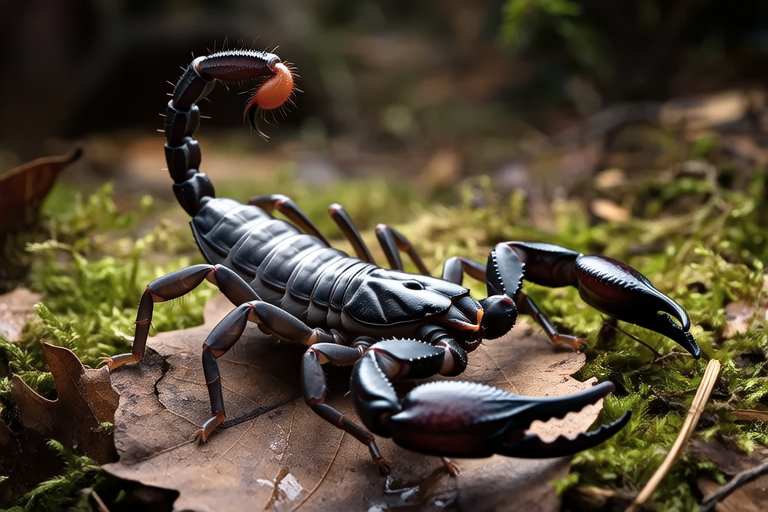
The most striking feature of the Heterometrus spinifer is its robust body covered in numerous sharp spines. These spines serve multiple purposes, providing both protection and aiding in locomotion. The spiny forest scorpion’s exoskeleton is segmented into three main parts: the cephalothorax, abdomen, and tail. The cephalothorax houses the eyes, mouthparts, and sensory organs, while the abdomen contains vital organs such as the heart, digestive system, and reproductive structures. The tail, ending in a venomous stinger, is used primarily for defense against predators and prey capture.
Like all scorpions, the Heterometrus spinifer possesses two large claws called pedipalps, which are used for grasping and manipulating objects. These claws can be formidable weapons when hunting or defending against threats. Additionally, this species boasts eight walking legs, each equipped with specialized hairs that detect vibrations and changes in air pressure, allowing them to navigate their surroundings with precision.
Habitat and Behavior
The spiny forest scorpion prefers humid environments with plenty of hiding spots, such as under rocks, logs, or leaf litter. They are nocturnal animals, emerging at night to hunt for food and avoid the intense heat of the day. During the day, they retreat into burrows or crevices where they remain inactive until dusk.
In terms of diet, the Heterometrus spinifer is an opportunistic predator, feeding on a variety of small insects, spiders, and other arthropods. Their hunting strategy involves patiently waiting for prey to come within reach before pouncing with surprising speed. Once caught, the scorpion uses its powerful pedipalps to subdue the victim, injecting venom through its stinger if necessary. This venom contains neurotoxins that immobilize or kill the prey, making digestion easier.
Unique Adaptations
One of the most remarkable aspects of the Heterometrus spinifer is its ability to regenerate lost limbs. If threatened by a predator or during a territorial dispute with another scorpion, it may voluntarily shed one or more legs to escape danger. Over time, these limbs grow back fully functional, ensuring survival even after severe injuries.
Another interesting adaptation is their use of chemical signals for communication. Scorpions produce pheromones that convey information about sex, age, health status, and reproductive readiness. Males employ these chemicals during courtship rituals to attract females and establish dominance over rivals. Females, in turn, release specific scents to signal their receptiveness to mating.
Role in the Ecosystem
The Heterometrus spinifer plays an essential role in maintaining ecological balance by controlling populations of various insect pests. By preying upon these organisms, they help prevent overpopulation and reduce competition for resources among other species. Furthermore, their burrowing activities aerate soil, promoting nutrient cycling and plant growth.
Despite their beneficial impact on ecosystems, scorpions face numerous challenges due to habitat destruction caused by deforestation, urbanization, and agricultural expansion. As natural habitats shrink, so does the availability of suitable living spaces for these creatures. Consequently, many populations have become isolated, leading to reduced genetic diversity and increased vulnerability to environmental changes.
Interactions with Humans
While encounters with the Heterometrus spinifer are relatively rare, they do occur occasionally, especially in areas where human settlements overlap with natural habitats. When threatened, these scorpions may raise their tails and emit a distinct clicking sound as a warning sign. If provoked further, they might deliver a painful sting, though fatalities are extremely uncommon.
Despite the potential risks associated with close contact, the spiny forest scorpion holds significant cultural value in some regions. In traditional medicine, certain parts of the body are believed to possess healing properties when consumed or applied topically. However, scientific evidence supporting these claims remains limited, and caution should always be exercised when handling wild animals.
Conservation Efforts
Recognizing the importance of preserving biodiversity, various organizations worldwide have launched initiatives aimed at protecting endangered species like the Heterometrus spinifer. These efforts focus on raising awareness about the threats facing these creatures and implementing measures to safeguard their habitats.
One such initiative involves establishing protected areas where human activities are restricted, allowing native wildlife to flourish without disturbance. Additionally, reforestation projects aim to restore degraded lands and create corridors connecting fragmented habitats, facilitating gene flow between isolated populations.
Education plays a vital role in fostering understanding and appreciation for the natural world. Through outreach programs targeting schools, communities, and policymakers, we can promote sustainable practices that minimize harm to vulnerable species while encouraging coexistence between humans and wildlife.
Conclusion
The Heterometrus spinifer stands as a testament to nature’s ingenuity and resilience. With its distinctive appearance, intriguing behaviors, and critical role within ecosystems, this captivating creature continues to fascinate scientists and nature lovers alike. By supporting conservation efforts and adopting responsible attitudes towards our environment, we can ensure the survival of this remarkable species for generations to come.
