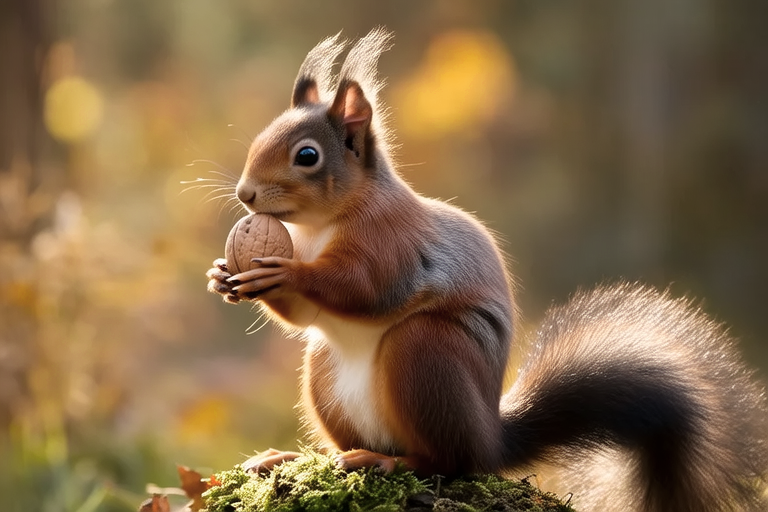
Squirrels 101: Fun Facts and Fascinating Behaviors You Didn’t Know
Welcome to Squirrels 101, your comprehensive guide to understanding one of nature’s most ubiquitous and fascinating creatures. From their striking physical characteristics to their complex social behaviors, squirrels have much more to offer than meets the eye. This article will delve into the world of squirrels, uncovering the lesser-known aspects of their lives and revealing why they are so essential to our ecosystems.
Physical Characteristics
Squirrels come in a variety of sizes and colors, but they share some common features that set them apart from other rodents. They have bushy tails, which help them balance and communicate, and large eyes that provide excellent vision. Their sharp claws allow them to climb trees effortlessly, while their teeth grow continuously to accommodate their diet of nuts and seeds.
One of the most recognizable features of squirrels is their fur, which can range from shades of brown and gray to red and black. These colors help them blend into their surroundings, offering protection from predators. Additionally, squirrels have four toes on their front paws and five on their hind paws, giving them a strong grip on branches.
Dietary Habits
Squirrels are primarily herbivores, feeding on a wide variety of plant materials. Their diet mainly consists of nuts, seeds, fruits, and tree bark. However, some species, like the American red squirrel, occasionally eat insects and bird eggs. The Eastern gray squirrel, commonly found in North America, has a particular fondness for acorns, hickory nuts, and walnuts.
During autumn, squirrels engage in a behavior known as caching, where they store food for the winter months. This involves burying nuts and seeds in various locations throughout their territory. By doing this, they ensure a steady supply of food during colder periods when food sources are scarce. Interestingly, squirrels often forget where they’ve hidden their caches, inadvertently planting new trees and shrubs.
Nesting Behaviors
Squirrels are skilled at building nests, called dreys, which serve as shelter from the elements and protection from predators. Dreys are typically constructed in the forks of trees or hollowed-out tree trunks and consist of leaves, twigs, moss, and bark. Female squirrels usually give birth to two to six kits per litter, and both parents take turns caring for their young until they are old enough to fend for themselves.
During the mating season, male squirrels compete for the attention of females through displays of agility and strength. Once a female has chosen her mate, they form a monogamous pair and work together to raise their offspring. Squirrels are highly territorial, defending their nests and food stores from intruders, including other squirrels.
Communication Methods
Squirrels rely heavily on vocalizations and body language to communicate with one another. They produce a variety of chirps, barks, and squeaks to convey different messages, such as warnings of danger or signals of distress. Additionally, they use their tails as a form of non-verbal communication, flicking them rapidly to signal alarm or raising them slowly to indicate curiosity.
Research has shown that squirrels can also recognize individual vocalizations, allowing them to identify familiar members of their community. This ability helps strengthen social bonds and ensures the survival of the group. Furthermore, squirrels have been observed using scent marking to establish territories and attract mates, leaving behind pheromones that signal their presence to others.
Role in Ecosystems
Squirrels play a vital role in maintaining the health and diversity of ecosystems by dispersing seeds and controlling insect populations. Their caching behavior contributes significantly to forest regeneration, as forgotten caches sprout into new plants. In addition, squirrels consume vast quantities of insects, helping to keep pest populations in check.
Despite their small size, squirrels have a significant impact on their environment. They help maintain the balance between predator and prey, and their presence can influence the behavior of other animals in the area. For example, birds may alter their nesting sites to avoid attracting the attention of ground-dwelling predators, while larger mammals may change their foraging patterns to avoid competition with squirrels.
Unique Behaviors
Caching Food
Caching is perhaps the most well-known behavior associated with squirrels. This process involves storing food in various locations throughout their territory, ensuring a reliable source of sustenance during times of scarcity. While caching may seem simple, it requires a high level of spatial memory and problem-solving skills. Squirrels must remember the location of each cache, often revisiting them months later.
Interestingly, studies have shown that squirrels are capable of adapting their caching strategies based on environmental conditions. For instance, they may bury nuts deeper in the ground during wetter seasons to prevent them from rotting. Similarly, they may choose more secure hiding spots in areas with higher predator activity.
Navigating Urban Environments
Urbanization has presented squirrels with new challenges and opportunities, leading to the development of innovative behaviors. In cities, squirrels have learned to navigate complex landscapes, including busy streets, high-rise buildings, and underground tunnels. They have even been observed using human-made structures, such as power lines and fences, to move between areas.
Adapting to urban life has required squirrels to become more resourceful, finding food in unexpected places and establishing new territories. Despite the dangers posed by traffic and human activity, squirrels have proven remarkably resilient, thriving in environments far removed from their natural habitats.
Interactions with Other Wildlife
Squirrels often interact with other animals in their environment, forming complex relationships that can be both beneficial and detrimental. For example, they may compete with birds for nesting sites or steal food from other small mammals. However, squirrels also form symbiotic relationships with certain species, such as birds that nest near them for protection from predators.
In some cases, squirrels have been observed working together with other animals to achieve common goals. For instance, they may cooperate with bees to access nectar from flowers or assist bats in locating fruit-bearing trees. These interactions highlight the intricate web of relationships that exists within ecosystems and emphasize the importance of biodiversity.
Conclusion
Squirrels are more than just cute creatures scurrying around parks and backyards; they are integral components of our ecosystems, playing crucial roles in seed dispersal, insect control, and forest regeneration. Their remarkable adaptability and intelligence have allowed them to thrive in diverse environments, from dense forests to bustling cities. By learning more about these fascinating animals, we can develop a greater appreciation for the natural world and work towards preserving the habitats that support them.
