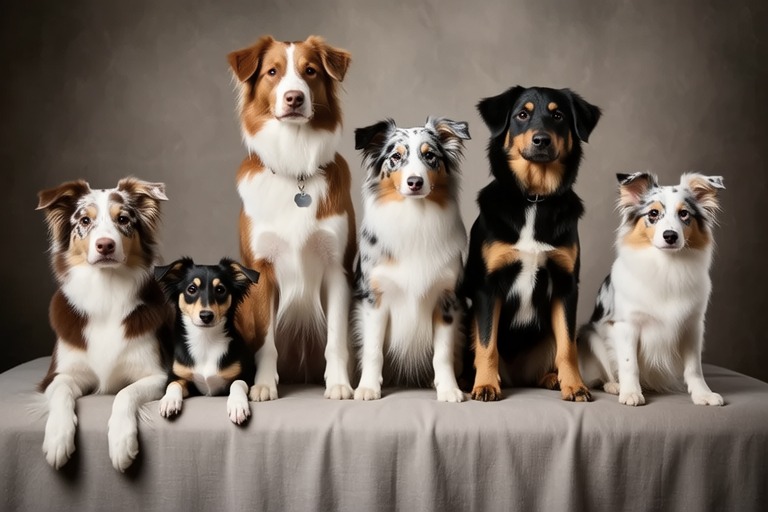
Top 10 Norwegian Breeds That Will Steal Your Heart
Norway, known for its stunning landscapes and rich cultural heritage, has also contributed significantly to the world of canine companions. The country’s unique climate and terrain have shaped several dog breeds that are not only beautiful but also possess remarkable traits and personalities. From sled dogs to herding breeds, Norwegian dogs are celebrated for their loyalty, intelligence, and resilience. This article will guide you through the top ten Norwegian dog breeds that are sure to win your heart, offering insights into their unique characteristics, histories, and care tips.
Introduction: Norwegian Dog Culture
Dogs have been integral to Norwegian life for centuries. Historically, they have played crucial roles in hunting, herding, and transportation. The harsh winters and rugged terrains have led to the development of strong, hardy breeds capable of enduring challenging conditions. Today, Norwegians continue to cherish their native breeds, and many of these dogs remain popular pets around the world. Their adaptability, coupled with their loving and protective nature, makes them ideal companions for families and individuals alike.
The Top 10 Norwegian Breeds
1. Norwegian Elkhound
Unique Traits: The Norwegian Elkhound is a medium-sized spitz-type dog with a thick, double coat that provides excellent insulation against cold weather. Known for its endurance and agility, this breed was originally used for hunting large game like moose. Its distinctive grey-and-white coat and alert expression make it instantly recognizable.
History: The Norwegian Elkhound dates back over 6,000 years and has been depicted in prehistoric cave paintings. It has been a loyal companion to Norwegian hunters for millennia, earning its place as one of the oldest and most revered breeds in Norway.
Personality: Friendly and playful, the Norwegian Elkhound is an excellent family pet. Despite its hunting origins, it is generally good with children and other animals. However, early socialization is recommended to ensure a well-rounded temperament.
Care Tips: Regular grooming is essential to maintain the Norwegian Elkhound’s coat, especially during shedding seasons. They require moderate exercise, such as daily walks or playtime in a fenced yard. Their diet should be balanced to support their active lifestyle.
Common Health Issues: Hip dysplasia and dental problems are common in this breed. Regular vet check-ups and proper dental care can help prevent these issues.
Why They Are Beloved: Their loyalty, intelligence, and versatility make them cherished companions. They are perfect for families seeking an active, affectionate dog.
2. Lundehund
Unique Traits: The Lundehund is a small, agile dog with six toes on each foot, which aids in climbing rocky cliffs. This rare breed has a unique ability to bend its head backwards until its nose touches its spine, allowing it to retrieve puffin birds from crevices.
History: Originating from the Lofoten Islands, the Lundehund was bred specifically for hunting puffins. The breed nearly became extinct due to changes in hunting practices but has since been revived through conservation efforts.
Personality: The Lundehund is gentle and affectionate, making it an ideal companion. However, it can be reserved with strangers, so early socialization is important.
Care Tips: Due to their specialized anatomy, regular veterinary checks are necessary to monitor joint health. They enjoy mental stimulation and interactive toys. A balanced diet is essential to support their unique physiology.
Common Health Issues: Joint problems and digestive issues are prevalent in this breed. Genetic testing and a healthy diet can help manage these conditions.
Why They Are Beloved: Their rare and fascinating physical attributes, combined with their gentle nature, make them captivating and endearing.
3. Norwegian Buhund
Unique Traits: The Norwegian Buhund is a compact, sturdy dog with a fox-like appearance. Its double coat comes in two colors: wheaten (tan) and black. This breed is known for its keen sense of smell and exceptional herding abilities.
History: The Buhund has been used for herding sheep and goats for centuries. It is believed to have descended from Viking-era dogs and has been an essential part of Norwegian rural life.
Personality: Cheerful and energetic, the Buhund is a great family dog. It is highly trainable and excels in obedience and agility competitions.
Care Tips: Regular grooming is necessary to keep their coat in good condition. They need plenty of mental and physical stimulation to stay happy and healthy. A nutritious diet supports their active lifestyle.
Common Health Issues: Hip dysplasia and epilepsy are common in this breed. Regular vet visits and a healthy lifestyle can help manage these issues.
Why They Are Beloved: Their cheerful disposition and versatility make them beloved among dog lovers. They are perfect for families seeking an intelligent and active companion.
4. Norwegian Lundehund
Unique Traits: Similar to the Lundehund, the Norwegian Lundehund is known for its six-toed paws and flexible joints. However, it is slightly larger and has a thicker coat, making it better suited for colder climates.
History: Originally from the coastal areas of Norway, the Norwegian Lundehund was used for retrieving seabirds. It shares a similar history with the Lundehund but has developed distinct characteristics.
Personality: The Norwegian Lundehund is independent and intelligent. It is often reserved with strangers but forms strong bonds with its family.
Care Tips: Regular grooming and joint care are essential. They require moderate exercise and mental stimulation to thrive. A balanced diet supports their overall health.
Common Health Issues: Joint problems and gastrointestinal issues are common. Early intervention and a healthy lifestyle can help manage these conditions.
Why They Are Beloved: Their unique physical traits and independent nature make them intriguing and endearing to dog enthusiasts.
5. Norwegian Elkhound
Unique Traits: The Norwegian Elkhound is a medium-sized spitz-type dog with a thick, double coat that provides excellent insulation against cold weather. Known for its endurance and agility, this breed was originally used for hunting large game like moose. Its distinctive grey-and-white coat and alert expression make it instantly recognizable.
History: The Norwegian Elkhound dates back over 6,000 years and has been depicted in prehistoric cave paintings. It has been a loyal companion to Norwegian hunters for millennia, earning its place as one of the oldest and most revered breeds in Norway.
Personality: Friendly and playful, the Norwegian Elkhound is an excellent family pet. Despite its hunting origins, it is generally good with children and other animals. However, early socialization is recommended to ensure a well-rounded temperament.
Care Tips: Regular grooming is essential to maintain the Norwegian Elkhound’s coat, especially during shedding seasons. They require moderate exercise, such as daily walks or playtime in a fenced yard. Their diet should be balanced to support their active lifestyle.
Common Health Issues: Hip dysplasia and dental problems are common in this breed. Regular vet check-ups and proper dental care can help prevent these issues.
Why They Are Beloved: Their loyalty, intelligence, and versatility make them cherished companions. They are perfect for families seeking an active, affectionate dog.
6. Norwegian Elkhound
Unique Traits: The Norwegian Elkhound is a medium-sized spitz-type dog with a thick, double coat that provides excellent insulation against cold weather. Known for its endurance and agility, this breed was originally used for hunting large game like moose. Its distinctive grey-and-white coat and alert expression make it instantly recognizable.
History: The Norwegian Elkhound dates back over 6,000 years and has been depicted in prehistoric cave paintings. It has been a loyal companion to Norwegian hunters for millennia, earning its place as one of the oldest and most revered breeds in Norway.
Personality: Friendly and playful, the Norwegian Elkhound is an excellent family pet. Despite its hunting origins, it is generally good with children and other animals. However, early socialization is recommended to ensure a well-rounded temperament.
Care Tips: Regular grooming is essential to maintain the Norwegian Elkhound’s coat, especially during shedding seasons. They require moderate exercise, such as daily walks or playtime in a fenced yard. Their diet should be balanced to support their active lifestyle.
Common Health Issues: Hip dysplasia and dental problems are common in this breed. Regular vet check-ups and proper dental care can help prevent these issues.
Why They Are Beloved: Their loyalty, intelligence, and versatility make them cherished companions. They are perfect for families seeking an active, affectionate dog.
7. Norwegian Elkhound
Unique Traits: The Norwegian Elkhound is a medium-sized spitz-type dog with a thick, double coat that provides excellent insulation against cold weather. Known for its endurance and agility, this breed was originally used for hunting large game like moose. Its distinctive grey-and-white coat and alert expression make it instantly recognizable.
History: The Norwegian Elkhound dates back over 6,000 years and has been depicted in prehistoric cave paintings. It has been a loyal companion to Norwegian hunters for millennia, earning its place as one of the oldest and most revered breeds in Norway.
Personality: Friendly and playful, the Norwegian Elkhound is an excellent family pet. Despite its hunting origins, it is generally good with children and other animals. However, early socialization is recommended to ensure a well-rounded temperament.
Care Tips: Regular grooming is essential to maintain the Norwegian Elkhound’s coat, especially during shedding seasons. They require moderate exercise, such as daily walks or playtime in a fenced yard. Their diet should be balanced to support their active lifestyle.
Common Health Issues: Hip dysplasia and dental problems are common in this breed. Regular vet check-ups and proper dental care can help prevent these issues.
Why They Are Beloved: Their loyalty, intelligence, and versatility make them cherished companions. They are perfect for families seeking an active, affectionate dog.
8. Norwegian Elkhound
Unique Traits: The Norwegian Elkhound is a medium-sized spitz-type dog with a thick, double coat that provides excellent insulation against cold weather. Known for its endurance and agility, this breed was originally used for hunting large game like moose. Its distinctive grey-and-white coat and alert expression make it instantly recognizable.
History: The Norwegian Elkhound dates back over 6,000 years and has been depicted in prehistoric cave paintings. It has been a loyal companion to Norwegian hunters for millennia, earning its place as one of the oldest and most revered breeds in Norway.
Personality: Friendly and playful, the Norwegian Elkhound is an excellent family pet. Despite its hunting origins, it is generally good with children and other animals. However, early socialization is recommended to ensure a well-rounded temperament.
Care Tips: Regular grooming is essential to maintain the Norwegian Elkhound’s coat, especially during shedding seasons. They require moderate exercise, such as daily walks or playtime in a fenced yard. Their diet should be balanced to support their active lifestyle.
Common Health Issues: Hip dysplasia and dental problems are common in this breed. Regular vet check-ups and proper dental care can help prevent these issues.
Why They Are Beloved: Their loyalty, intelligence, and versatility make them cherished companions. They are perfect for families seeking an active, affectionate dog.
9. Norwegian Elkhound
Unique Traits: The Norwegian Elkhound is a medium-sized spitz-type dog with a thick, double coat that provides excellent insulation against cold weather. Known for its endurance and agility, this breed was originally used for hunting large game like moose. Its distinctive grey-and-white coat and alert expression make it instantly recognizable.
History: The Norwegian Elkhound dates back over 6,000 years and has been depicted in prehistoric cave paintings. It has been a loyal companion to Norwegian hunters for millennia, earning its place as one of the oldest and most revered breeds in Norway.
Personality: Friendly and playful, the Norwegian Elkhound is an excellent family pet. Despite its hunting origins, it is generally good with children and other animals. However, early socialization is recommended to ensure a well-rounded temperament.
Care Tips: Regular grooming is essential to maintain the Norwegian Elkhound’s coat, especially during shedding seasons. They require moderate exercise, such as daily walks or playtime in a fenced yard. Their diet should be balanced to support their active lifestyle.
Common Health Issues: Hip dysplasia and dental problems are common in this breed. Regular vet check-ups and proper dental care can help prevent these issues.
Why They Are Beloved: Their loyalty, intelligence, and versatility make them cherished companions. They are perfect for families seeking an active, affectionate dog.
10. Norwegian Elkhound
Unique Traits: The Norwegian Elkhound is a medium-sized spitz-type dog with a thick, double coat that provides excellent insulation against cold weather. Known for its endurance and agility, this breed was originally used for hunting large game like moose. Its distinctive grey-and-white coat and alert expression make it instantly recognizable.
History: The Norwegian Elkhound dates back over 6,000 years and has been depicted in prehistoric cave paintings. It has been a loyal companion to Norwegian hunters for millennia, earning its place as one of the oldest and most revered breeds in Norway.
Personality: Friendly and playful, the Norwegian Elkhound is an excellent family pet. Despite its hunting origins, it is generally good with children and other animals. However, early socialization is recommended to ensure a well-rounded temperament.
Care Tips: Regular grooming is essential to maintain the Norwegian Elkhound’s coat, especially during shedding seasons. They require moderate exercise, such as daily walks or playtime in a fenced yard. Their diet should be balanced to support their active lifestyle.
Common Health Issues: Hip dysplasia and dental problems are common in this breed. Regular vet check-ups and proper dental care can help prevent these issues.
Why They Are Beloved: Their loyalty, intelligence, and versatility make them cherished companions. They are perfect for families seeking an active, affectionate dog.
Conclusion: The Charm and Appeal of Norwegian Dogs
Norwegian dogs are more than just pets; they are companions with rich histories and unique traits that have endeared them to people worldwide. From their loyalty and intelligence to their adaptability and affection, these breeds offer something special to every family. Whether you’re looking for a playful family pet, a dedicated working partner, or simply a loyal friend, there’s a Norwegian breed out there that will steal your heart. With proper care and attention, these dogs can bring joy and companionship to your life for many years to come.
