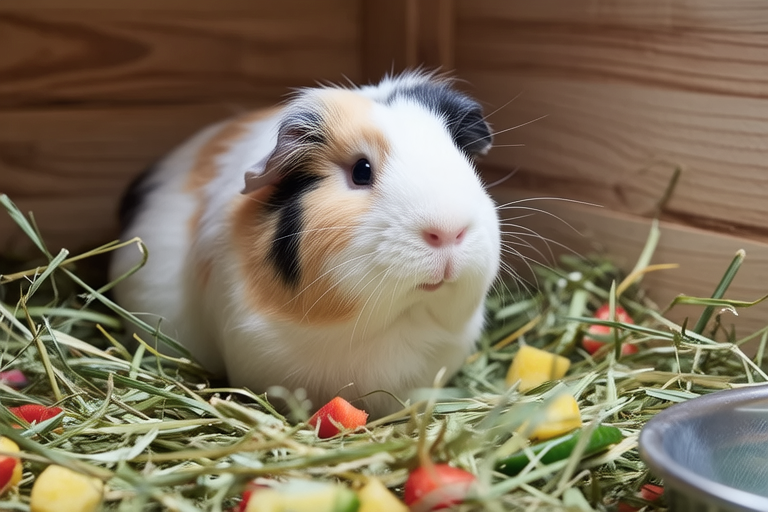
How to Create a Happy Home for Your Guinea Pig: Expert Tips
Welcome to the world of guinea pig ownership! These charming little creatures bring joy and companionship into our lives. However, it’s important to understand their specific needs to ensure they lead healthy, happy lives. This guide will walk you through the essentials of guinea pig care, from selecting the right cage to maintaining hygiene and providing a balanced diet. Let’s dive in!
Selecting an Appropriate Cage Size
The first step in creating a happy home for your guinea pig is choosing the right cage. Guinea pigs are active animals that need ample space to move around, so the cage should be large enough to accommodate their natural behaviors. A general rule of thumb is that each guinea pig requires at least 7.5 square feet of living space. This ensures they have room to run, play, and explore.
In addition to size, consider the height of the cage. Guinea pigs are excellent jumpers, so a taller cage will prevent them from escaping while still allowing them to stretch their legs. Wire-bottom cages are not recommended as they can cause discomfort and injury to your pet’s feet. Opt for solid flooring or add a soft layer of bedding to protect their paws.
Ensuring Proper Bedding
Proper bedding is crucial for maintaining a clean and comfortable environment for your guinea pig. Choose bedding that is absorbent, dust-free, and safe for your pet. Common options include recycled paper products, shredded newspaper, or high-quality hay. Avoid cedar and pine shavings, as they can irritate your guinea pig’s respiratory system.
Change the bedding regularly to prevent the buildup of urine and feces, which can lead to unpleasant odors and potential health issues. Aim to clean the entire cage at least once a week, more frequently if necessary. This will also give you an opportunity to inspect your pet for any signs of illness or injury.
Maintaining Hygiene
Hygiene is key to keeping your guinea pig healthy and happy. Regular cleaning of the cage and its contents is essential. In addition to changing the bedding, you should also wash food and water bowls daily. Use warm water and mild soap, then rinse thoroughly before refilling.
Guinea pigs are sensitive to changes in their environment, so it’s important to maintain a consistent routine. If you’re introducing new bedding or toys, do so gradually to allow your pet time to adjust. This will help reduce stress and promote a calm, peaceful home.
Creating Safe Play Areas
While your guinea pig’s cage provides a safe and secure environment, it’s important to offer opportunities for exploration outside of it. Designate a specific area in your home where your pet can play and exercise. This could be a room with guinea pig-proofed furniture or a dedicated playpen.
Ensure the play area is free from hazards such as small objects that could be swallowed, toxic plants, and sharp edges. Provide tunnels, bridges, and other structures to encourage climbing and running. Supervise your guinea pig during playtime to ensure their safety.
Dietary Needs
A balanced diet is vital for the health of your guinea pig. The cornerstone of their diet should be unlimited access to high-quality hay, which aids digestion and keeps teeth worn down. Fresh grass hay, such as timothy hay, is ideal. Supplement this with a variety of fresh vegetables and fruits, making sure to include sources of vitamin C, as guinea pigs cannot produce it themselves.
Commercial guinea pig pellets can also be offered in moderation, but avoid those containing seeds or nuts, as these can cause digestive issues. Always introduce new foods gradually to monitor for any adverse reactions. Clean, fresh water should always be available, either in a sipper bottle or a heavy ceramic dish.
Hydration
Guinea pigs require constant access to clean, fresh water. A sipper bottle attached to the side of the cage is ideal, as it prevents spillage and contamination. Check the water level daily and clean the bottle weekly to remove any build-up of algae or bacteria.
If your guinea pig shows signs of dehydration, such as lethargy or sunken eyes, consult a veterinarian immediately. Ensuring your pet stays hydrated is crucial for their overall well-being.
Social Interaction
Guinea pigs are social animals and thrive on interaction with both humans and other guinea pigs. Spend quality time with your pet each day, talking to them, petting them gently, and offering treats. This helps build trust and strengthens your bond.
If you have multiple guinea pigs, provide them with ample space to interact and establish a hierarchy. Introducing new guinea pigs should be done carefully to avoid territorial disputes. Observe their interactions closely and separate them if aggression arises.
Regular Health Check-Ups
Annual visits to the vet are important for monitoring your guinea pig’s health. During these check-ups, the vet will examine your pet for signs of dental problems, skin conditions, and other potential health issues. Early detection and treatment can prevent serious complications.
In between vet visits, perform regular health checks at home. Look for changes in behavior, appetite, or physical appearance. Keep an eye out for signs of illness, such as runny nose, discharge from the eyes, or lethargy. Prompt action can save your pet’s life.
Toys and Activities for Mental Stimulation
To keep your guinea pig mentally stimulated, provide a variety of toys and activities. Chew toys made from untreated wood or cardboard are great for gnawing, helping to wear down their constantly growing teeth. Balls, tunnels, and platforms can encourage exercise and exploration.
Rotate toys periodically to keep things interesting. You can also hide treats around the cage or play area to encourage foraging, a natural behavior for guinea pigs. This mental stimulation helps prevent boredom and promotes a healthier, happier pet.
Handling and Bonding with Your Pet
Handling your guinea pig correctly is essential for building a strong bond and ensuring their safety. Approach them slowly and calmly, speaking softly to reassure them. Place one hand under their chest and the other under their hindquarters to lift them gently.
Handle your guinea pig frequently to get them used to being touched. This will make grooming, health checks, and veterinary visits easier. Remember, every guinea pig is different, so be patient and respectful of their boundaries.
Caring for a guinea pig is a rewarding experience that brings joy and companionship into your life. By following these expert tips, you’ll create a happy home that meets all of your pet’s needs. Enjoy the journey of nurturing and loving your guinea pig, and watch as they bring endless delight into your home.
