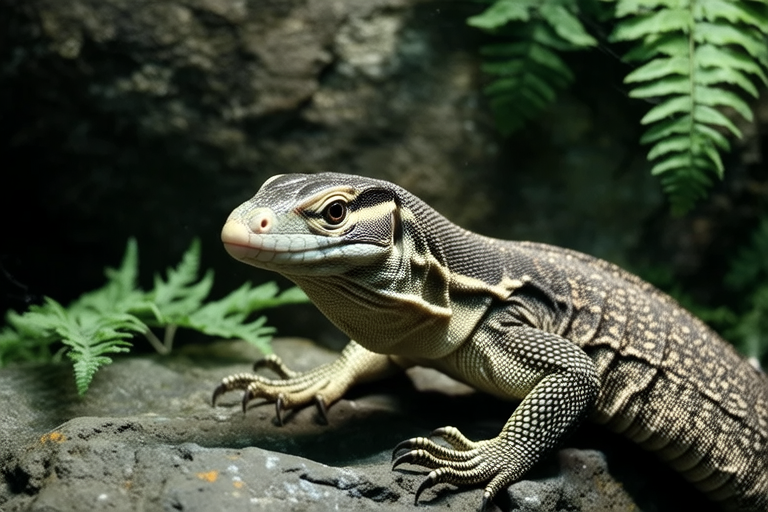
Everything You Need to Know About Keeping a Water Monitor as a Pet
Introduction to Water Monitors
The water monitor (Varanus salvator) is one of the largest lizards in the world, capable of growing up to 3 meters (9.8 feet) in length. Native to Southeast Asia, these reptiles are known for their powerful tails, sharp claws, and impressive swimming abilities. Their natural curiosity and intelligence make them fascinating pets, but they also require a significant commitment from their owners. Before delving into the details of caring for a water monitor, it’s essential to understand the unique challenges and responsibilities that come with owning such a large and active animal.
Natural Habitat
Water monitors thrive in tropical and subtropical environments, particularly near bodies of freshwater like rivers, lakes, and swamps. They are semi-aquatic creatures, spending time both on land and in water. In the wild, they are highly adaptable and can be found in various habitats, including forests, mangroves, and agricultural areas. When setting up a home for your water monitor, it’s crucial to mimic its natural environment as closely as possible to ensure its well-being.
Dietary Requirements
Water monitors are carnivorous and have a varied diet in the wild, consisting of insects, small mammals, birds, fish, and even carrion. In captivity, they require a balanced diet of protein-rich foods. Younger monitors can be fed smaller prey items like crickets, mealworms, and pinky mice. As they grow, their diet should include larger prey, such as adult mice, rats, and occasionally feeder fish. It’s important to gut-load the prey items with nutritious food before feeding them to the monitor to ensure optimal nutrition. Feeding frequency depends on the age and size of the monitor; younger ones may need to eat every few days, while adults can be fed once or twice a week.
Housing Needs
Creating an appropriate enclosure is vital for the health and happiness of a water monitor. Due to their size and activity level, they require a spacious setup. A juvenile monitor can start in a 4x2x2-foot (1.2×0.6×0.6 meters) enclosure, but as they grow, they will need significantly more space. An adult monitor should ideally have an enclosure that is at least 8x4x4 feet (2.4×1.2×1.2 meters) or larger. The enclosure should include both land and water areas, as water monitors are semi-aquatic. The water area should be deep enough for the monitor to submerge itself completely, and the land area should provide ample room for climbing and basking.
Substrate options include reptile carpet, newspaper, or a mix of mulch and sand. Avoid substrates that could cause impaction if ingested. Temperature control is critical, with a basking spot reaching 95-100°F (35-38°C) and the cooler side around 75-85°F (24-29°C). UVB lighting is necessary for calcium metabolism, so a high-quality UVB bulb should be included in the enclosure.
Handling and Interaction Tips
Water monitors are generally not as docile as other pet reptiles, and they can become aggressive if mishandled. Always approach your monitor calmly and slowly, allowing it to become accustomed to your presence. Start handling sessions when the monitor is young to build trust. Use a hook or tongs when moving the monitor around, especially for larger individuals, to avoid injury. Never handle a monitor by the tail, as this can cause damage. Regular interaction helps with socialization, but always respect the monitor’s boundaries and signs of stress.
Health Issues Common to the Species
Like all animals, water monitors are susceptible to certain health issues. Metabolic bone disease (MBD) is a common problem due to calcium deficiency, often caused by inadequate UVB lighting or insufficient dietary calcium. Signs of MBD include lethargy, weak limbs, and difficulty moving. Respiratory infections can occur if the enclosure is too cold or damp. Symptoms include wheezing, nasal discharge, and labored breathing. Parasites, such as mites and ticks, can infest the monitor and require prompt treatment. Regular veterinary check-ups are essential to catch and address any health issues early.
Legal Considerations for Owning One
Before acquiring a water monitor, research local laws and regulations regarding exotic pet ownership. Some countries and states have strict restrictions or outright bans on keeping certain species as pets. Additionally, obtaining a water monitor may require permits or licenses. It’s crucial to ensure compliance with all legal requirements to avoid penalties and to demonstrate responsible ownership. Furthermore, some regions have specific guidelines for the care and transportation of exotic pets, which must be followed to ensure the monitor’s well-being.
Advice for First-Time Owners
Owning a water monitor is a significant responsibility and not a decision to be made lightly. First-time owners should thoroughly research the species’ care requirements and consider visiting experienced breeders or owners to learn more about proper husbandry. Joining online forums and communities can also provide valuable insights and support. Patience and dedication are key when introducing a water monitor to its new home, as they can be skittish and require time to adjust. Remember that a water monitor’s lifespan can exceed 10 years, so being prepared for the long-term commitment is crucial.
It’s also wise to invest in quality supplies and equipment from the beginning to prevent the need for frequent replacements. This includes sturdy enclosures, reliable heating and lighting systems, and appropriate substrate materials. Finally, always prioritize the monitor’s welfare and consult with professionals when unsure about any aspect of its care.
Conclusion
Keeping a water monitor as a pet offers a unique and rewarding experience for those willing to meet the challenges of caring for such a large and active reptile. By understanding their natural habitat, dietary needs, and housing requirements, you can provide a healthy and stimulating environment for your water monitor. However, it’s essential to recognize the significant responsibilities involved and ensure that you are prepared for the long-term commitment. With proper care and attention, a water monitor can be a fascinating and beloved member of your household.
