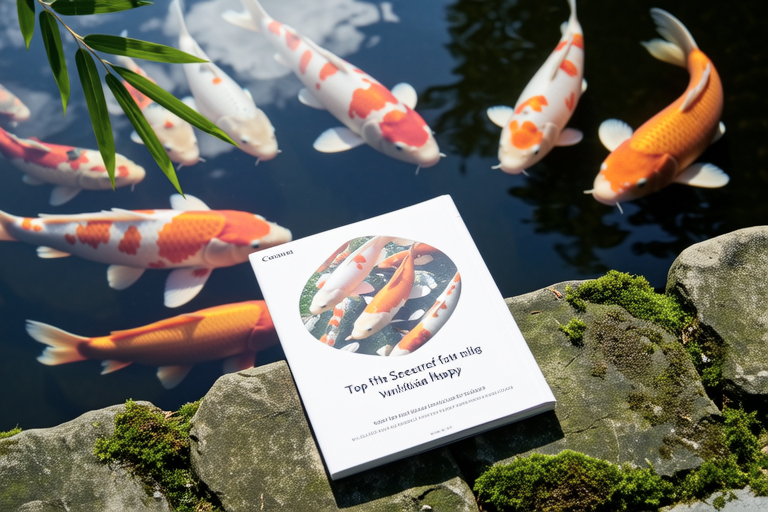
Top 10 Secrets for Keeping Your Koi Vibrant and Happy
Welcome to the wonderful world of koi keeping! These colorful, graceful fish are not just a beautiful addition to your garden; they also bring a sense of peace and tranquility to your surroundings. However, maintaining vibrant and happy koi requires more than just a pretty pond. It involves understanding their unique needs and creating an environment that supports their health and happiness. In this article, we will explore the top ten secrets to ensuring your koi remain vibrant and happy, covering everything from water quality to social needs and stress reduction.
1. Water Quality Maintenance
The single most important factor in keeping your koi healthy is maintaining excellent water quality. Clean, well-oxygenated water is essential for their survival. Regular testing of the water parameters such as pH, ammonia, nitrite, and nitrate levels is crucial. Aim for a pH level between 7.2 and 8.0, with no detectable ammonia or nitrite, and nitrate levels below 50 ppm. Use water treatments to remove harmful substances and ensure that your filtration system is working efficiently.
2. Ideal Feeding Practices
Feeding your koi properly is another key aspect of their care. Feed them a high-quality diet that meets their nutritional needs. Choose a balanced pellet food that contains protein, fats, carbohydrates, vitamins, and minerals. Feed your koi small amounts several times a day rather than one large meal. This mimics their natural feeding behavior and helps prevent overfeeding, which can lead to poor water quality and obesity. Avoid overfeeding, especially during colder months when their metabolism slows down.
3. Suitable Pond Environment Setup
Creating the right environment for your koi involves more than just building a pond. Consider the size of the pond, depth, and shape. A minimum pond size of 1000 gallons is recommended for a few koi, but larger ponds are better for more fish. The depth should be at least 4 feet to provide adequate space for the fish to swim and hide. Incorporate hiding spots like caves or plants to give your koi a sense of security. Ensure that the pond has a gentle slope to allow easy cleaning and maintenance.
4. Beneficial Plant Inclusion
Adding plants to your pond provides numerous benefits for your koi. Plants help oxygenate the water, absorb nutrients, and provide hiding places for the fish. They also add aesthetic value to the pond. Choose aquatic plants like water lilies, lotus, and hornwort that are compatible with koi. Ensure that the plants are planted in pots and placed in areas where the koi cannot uproot them. Floating plants like duckweed can also be beneficial as they shade the water and reduce algae growth.
5. Effective Filtration Systems
A good filtration system is vital for maintaining clean water. It removes debris, excess food, and harmful bacteria, ensuring that the water remains clear and safe for your koi. There are different types of filters available, including mechanical, biological, and chemical filters. A combination of these is often the best approach. Mechanical filters trap large particles, biological filters break down harmful compounds, and chemical filters remove dissolved organic matter. Ensure that the filter is appropriately sized for your pond and regularly maintained to function effectively.
6. Appropriate Temperature Control
Koi are cold-water fish, but they still require some warmth, especially during the winter months. The ideal temperature range for koi is between 60°F and 77°F (15°C to 25°C). In cooler climates, consider installing a heater to maintain the water temperature above 50°F (10°C) during the winter. Additionally, shading the pond during hot summer days can help keep the water temperature within the desired range. Avoid sudden temperature changes, as these can stress the fish.
7. Disease Prevention Strategies
Prevention is always better than cure when it comes to keeping your koi healthy. Maintain excellent water quality and hygiene to minimize the risk of diseases. Quarantine new fish before introducing them to the main pond to avoid the spread of infections. Regularly inspect your koi for signs of illness, such as lethargy, loss of appetite, abnormal swimming behavior, or visible lesions. If you notice any signs of disease, consult a veterinarian specializing in fish care immediately.
8. Regular Health Checks
Regular health checks are essential for early detection and treatment of any issues. Observe your koi daily for any unusual behavior or physical changes. Check their fins, scales, and eyes for signs of damage or disease. Perform routine water tests to monitor water quality and adjust treatments if necessary. By staying vigilant, you can catch potential problems before they become serious.
9. Social Needs of Koi
Koi are social animals and thrive in groups. Keeping multiple koi together encourages natural behaviors and reduces stress. Ensure that the pond is large enough to accommodate the number of fish you plan to keep. Provide ample space for swimming and interaction. Avoid overcrowding the pond, as this can lead to competition for resources and increased stress levels. Koi also enjoy interacting with humans, so spend time near the pond to build a bond with them.
10. Stress Reduction Techniques
Stress can significantly impact the health and longevity of your koi. Minimize stress by providing a calm and stable environment. Avoid sudden changes in water chemistry or temperature. Keep noise and vibrations to a minimum around the pond. Provide hiding spots and plants to give your koi a sense of security. Limit handling and netting of the fish to only when necessary. By reducing stress, you help your koi live longer and happier lives.
In conclusion, keeping your koi vibrant and happy is a rewarding endeavor that requires attention to detail and commitment. By focusing on water quality, proper feeding, suitable pond environment, beneficial plant inclusion, effective filtration, appropriate temperature control, disease prevention, regular health checks, social needs, and stress reduction, you can create an ideal habitat for your koi. Remember, happy koi are not just a visual delight but also a source of joy and relaxation. Enjoy the journey of koi keeping and the peaceful moments it brings to your life.
