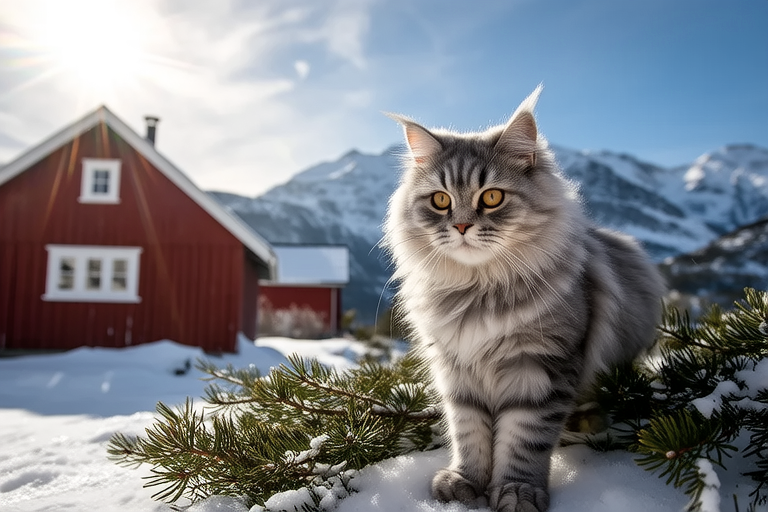
Norwegian Pets: A Journey Through Unique Traditions and Practices
From the rugged fjords to the vast expanses of forested land, Norway offers a unique environment that has shaped the way its people care for their pets. This article delves into the distinctive ways Norwegians care for their pets, exploring historical practices, modern trends, and the cultural significance of pet ownership in Norway. We will also discuss specific breeds favored in Norway, unique pet laws, and traditions surrounding pets in Norwegian households and communities.
The Historical Context of Pet Ownership in Norway
The history of pet ownership in Norway dates back centuries, with dogs being particularly significant. In ancient times, working dogs were essential for herding and guarding livestock. The Norwegian Buhund, a breed known for its intelligence and versatility, has been a loyal companion to farmers for over a thousand years. These dogs were used for herding reindeer, sheep, and goats, as well as for hunting. Their agility and strength made them invaluable assets to rural communities.
As time passed, the role of pets in Norwegian society evolved. Dogs became more than just working animals; they became cherished companions. This shift can be traced to the late 19th century when urbanization began to take hold. With the rise of cities, people started keeping pets for companionship rather than purely functional reasons. Cats, too, found their place in Norwegian homes during this period, often serving as pest controllers.
Modern Trends in Pet Ownership
Today, pet ownership in Norway is more diverse than ever before. While dogs and cats remain popular, there has been an increase in exotic pet ownership. Parrots, reptiles, and even small mammals like guinea pigs have become common household pets. However, these exotic pets are subject to strict regulations to ensure their welfare and prevent the spread of diseases.
The Norwegian government places a strong emphasis on animal welfare, which is reflected in various policies and laws. For instance, the Animal Welfare Act requires pet owners to provide adequate living conditions, proper nutrition, and regular veterinary care. This law applies not only to traditional pets but also to exotic ones. Additionally, there are regulations concerning breeding, transportation, and euthanasia to minimize suffering.
Cultural Significance of Pets in Norwegian Society
Pets play a significant role in Norwegian culture, symbolizing love, companionship, and loyalty. They are often seen as members of the family, participating in daily activities and sharing moments of joy and sorrow. In many households, pets are treated with the same respect and affection as human family members.
One notable tradition is the celebration of National Dog Day, held annually on October 14th. This day honors the contributions of dogs to Norwegian society and encourages responsible pet ownership. Events include dog shows, charity runs, and educational seminars about canine health and behavior. Similarly, cat lovers celebrate International Cat Day on August 8th by organizing community gatherings and fundraising events to support local shelters.
Favorite Breeds in Norway
Several dog breeds are particularly popular among Norwegians due to their suitability for the country’s climate and terrain. The Norwegian Elkhound, for example, is a hardy breed known for its resilience and adaptability. Originally bred for hunting elk, this breed thrives in cold weather and enjoys outdoor activities such as hiking and camping. Another favorite is the Lundehund, a rare breed with unique physical characteristics that allow it to climb cliffs and retrieve puffin birds.
Cats are also well-represented in Norway, with the Norwegian Forest Cat being one of the most beloved. This semi-longhaired breed is perfectly suited to the country’s harsh winters, thanks to its thick coat and muscular build. The Norwegian Forest Cat is known for its independence and playful nature, making it an ideal companion for both urban and rural dwellers.
Unique Pet Laws in Norway
Norway has some of the strictest pet laws in Europe, designed to protect both animals and humans. One of the most notable laws is the requirement for all dogs to be microchipped and registered with a national database. This system helps authorities track lost or stolen pets and ensures that owners are held accountable for any damage caused by their animals.
Another important regulation pertains to the sale and trade of pets. It is illegal to buy or sell puppies under eight weeks old, ensuring that young animals have sufficient time to bond with their mothers and develop social skills. Breeders must also adhere to strict standards regarding living conditions, health checks, and genetic testing to prevent hereditary diseases.
Influence of Climate and Landscape on Pet Ownership
The Norwegian climate and landscape significantly influence pet ownership patterns. With long, cold winters and short summers, many Norwegians opt for indoor pets that require less maintenance. However, for those who enjoy outdoor activities, there are plenty of options for active pets that thrive in colder temperatures.
The vast wilderness areas provide ample opportunities for hiking, skiing, and snowshoeing with dogs. Many Norwegians take their pets along on these adventures, allowing them to explore the beauty of nature while staying active. In contrast, the coastal regions offer a different kind of environment, where water sports and fishing are popular pastimes. Here, people often choose aquatic pets such as goldfish or tropical fish for their homes.
Traditions Surrounding Pets in Norwegian Households and Communities
Pets are an integral part of Norwegian life, and there are several traditions that reflect this. One such tradition is the custom of giving a puppy or kitten as a gift for important milestones such as birthdays, weddings, or the birth of a child. This practice emphasizes the importance of pets in creating lasting memories and strengthening family bonds.
Another tradition involves incorporating pets into holiday celebrations. During Christmas, for instance, many families include their pets in the festivities by decorating a small tree specifically for them or leaving out treats similar to those left for Santa Claus. Some even dress up their pets in festive attire to participate in parades or photo shoots.
Conclusion
Norwegian pet culture is rich and diverse, reflecting the country’s unique history, geography, and values. From ancient working dogs to modern-day exotics, Norwegians have embraced a wide range of pets over the centuries. The strong emphasis on animal welfare and responsible ownership ensures that all pets are treated with respect and care. As the country continues to evolve, so too will its approach to pet ownership, always striving to balance tradition with innovation.
