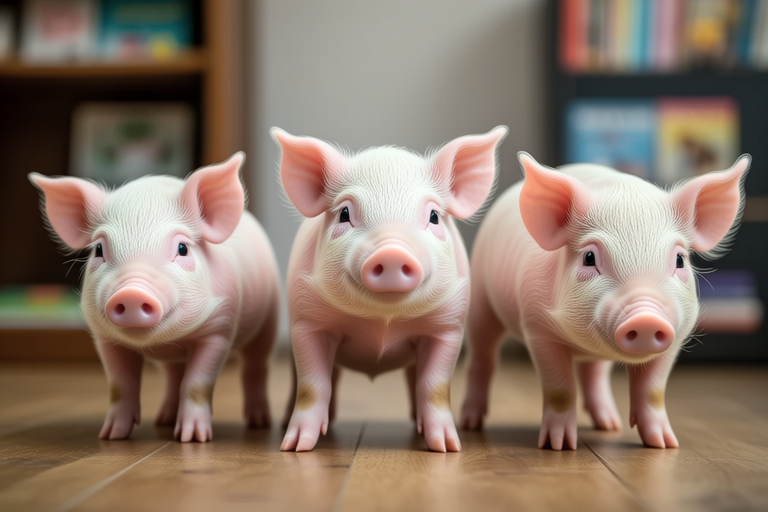
From Micro to Macro: The Surprising Size Journey of Mini Pigs
Welcome to the world of mini pigs! These adorable creatures have captured the hearts of many pet lovers, but there’s often confusion about their true size. In this article, we’ll explore the fascinating journey from micro-sized piglets to their eventual adult macro size. We’ll also discuss genetic factors, growth stages, potential health issues, and essential care tips to ensure your mini pig grows healthy and strong.
What Are Mini Pigs?
Mini pigs, also known as teacup, micro, or pot-bellied pigs, are a breed of domesticated pig that has been selectively bred for smaller size. They are distinct from standard farm pigs due to their compact stature and unique physical characteristics. Despite their name, they come in various sizes, ranging from small to medium, depending on genetics and breeding practices.
Dispelling Common Misconceptions About Their Size
One of the most common misconceptions about mini pigs is that they remain tiny throughout their lives. This couldn’t be further from the truth. While some may stay relatively small, others can grow quite large, especially if not properly cared for. Another myth is that mini pigs can be fully potty trained indoors. While they can learn basic commands, they are still animals and may require outdoor space for exercise and waste management.
Genetic Factors Influencing Growth
The genetic makeup of a mini pig plays a significant role in determining its eventual size. Breeding practices have led to variations in size among different lines of mini pigs. Some breeds, like the Kunekune or Juliana, tend to be smaller, while others, such as the Meishan, can grow larger. Understanding the genetic background of your mini pig is crucial for predicting its adult size and ensuring it receives appropriate care.
Typical Growth Stages of Mini Pigs
The growth stages of mini pigs can be broadly categorized into infancy, juvenile, adolescent, and adulthood. During infancy, piglets are incredibly small, weighing only a few pounds at birth. By six months, they have grown significantly, reaching around 30-50 pounds, depending on their breed and diet. Adolescence brings another growth spurt, with mini pigs reaching their full height but continuing to gain weight until they reach adulthood.
Infancy (Birth to 6 Months)
Piglets are born weighing between one and three pounds. They grow rapidly during this period, doubling their weight every week for the first few weeks. Proper nutrition is critical during this stage to support healthy development. Piglets should be fed a high-quality, balanced diet specifically formulated for young pigs.
Juvenile Stage (6 to 12 Months)
By six months, mini pigs enter the juvenile stage, where they continue to grow but at a slower rate. At this point, they weigh approximately 30-50 pounds. Juvenile pigs are more active and curious, requiring regular exercise and mental stimulation. Owners should introduce them to new environments and activities to promote healthy development.
Adolescent Stage (12 to 18 Months)
The adolescent stage marks the transition to adulthood. Mini pigs reach their full height but may still gain weight. It’s important to monitor their diet and activity levels closely during this time to prevent obesity. Providing a balanced diet rich in fiber and low in fat is essential for maintaining a healthy weight.
Adulthood (After 18 Months)
Once mini pigs reach adulthood, they have reached their maximum size, which can range from 50 to 300 pounds, depending on the breed. Adult pigs require less energy than younger pigs, so their diet should be adjusted accordingly. Regular veterinary check-ups are crucial to monitor their overall health and address any potential issues.
Potential Health Issues Related to Their Size
Despite their compact size, mini pigs are prone to several health issues related to their body composition. Obesity is a significant concern, leading to joint problems, heart disease, and reduced lifespan. Ensuring a balanced diet and regular exercise is vital for preventing obesity and promoting longevity.
Joint Problems
Due to their rapid growth during the juvenile and adolescent stages, mini pigs are susceptible to joint issues. Conditions like hip dysplasia and arthritis can develop if they are not provided with adequate support and care. Regular exercise and a balanced diet can help maintain healthy joints.
Heart Disease
Obesity is a leading cause of heart disease in mini pigs. A diet high in fats and sugars can lead to cardiovascular issues, including hypertension and heart failure. Monitoring your pig’s weight and providing a nutritious diet are key to preventing these conditions.
Ensuring Proper Nutrition and Care
Proper nutrition and care are essential for the healthy growth and development of mini pigs. Owners must provide a balanced diet rich in fiber and low in fat, along with regular exercise and mental stimulation. Here are some tips for ensuring your mini pig receives the best possible care:
Dietary Considerations
Mini pigs require a diet high in fiber and low in fat. Commercially available pig feed is formulated to meet their nutritional needs. Avoid feeding them human food, as it can lead to obesity and other health issues. Fresh water should always be available, and treats should be given sparingly.
Exercise and Mental Stimulation
Regular exercise is crucial for maintaining a healthy weight and promoting overall well-being. Mini pigs need space to roam and play, both indoors and outdoors. Mental stimulation is equally important, so consider providing toys and puzzles to keep them engaged.
Veterinary Care
Regular veterinary check-ups are essential for monitoring your mini pig’s health and addressing any potential issues early. Vaccinations, parasite control, and dental care are all important aspects of preventive healthcare.
Why Understanding the Size Journey is Crucial
Understanding the size journey of mini pigs is crucial for prospective and current owners. Knowing what to expect in terms of growth and potential health issues allows owners to make informed decisions about care and management. By providing the right environment, diet, and medical attention, owners can ensure their mini pigs live long, healthy, and happy lives.
In conclusion, mini pigs are fascinating creatures with a surprising size journey from micro piglets to macro adults. By understanding the genetic factors influencing their growth, the typical growth stages, and potential health issues, owners can provide the best possible care for their pets. With proper nutrition, exercise, and veterinary care, mini pigs can thrive and bring joy to their owners for years to come.
