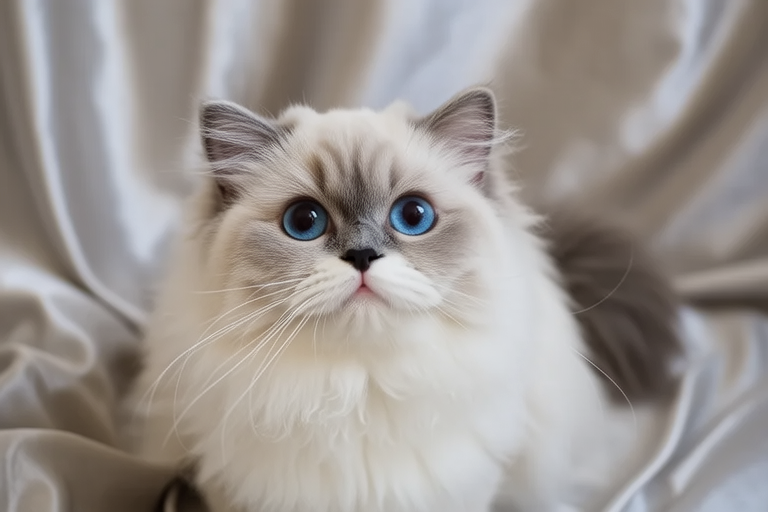
Persian Cats 101: Essential Tips for Raising a Silky-Coated Feline Friend
Welcome to the world of Persian cats! Known for their long, luxurious coats and gentle demeanor, these elegant felines have captured the hearts of many pet lovers around the globe. With their large, expressive eyes and sweet, round faces, Persian cats are often seen as symbols of grace and elegance. Their popularity stems from their calm and affectionate nature, making them ideal companions for families and individuals alike. However, raising a Persian cat comes with its own set of challenges, particularly when it comes to their grooming, dietary needs, and overall health.
Introduction: The Appeal of Persian Cats
Persian cats have been cherished for centuries, with their origins tracing back to ancient Persia (modern-day Iran). These majestic creatures have a rich history that includes being favored by royalty and nobility. Today, they continue to be one of the most popular cat breeds, admired for their serene appearance and loving personalities. Despite their delicate looks, Persian cats are surprisingly adaptable and can thrive in various environments. Their calm and gentle nature makes them excellent companions for people of all ages.
Grooming Needs
The most distinctive feature of Persian cats is undoubtedly their long, silky coat. While this coat adds to their charm, it also requires significant attention to maintain. Regular brushing is essential to prevent matting and tangles. Ideally, you should brush your Persian cat at least once a day, but daily brushing is recommended to keep their coat in top condition. Using a high-quality brush designed for long-haired cats will help remove loose hair and distribute natural oils throughout the coat.
Bathing is another crucial aspect of grooming. While some cats may dislike water, regular baths can help keep their coat clean and healthy. It’s important to use a gentle, pH-balanced shampoo specifically formulated for cats. Be sure to rinse thoroughly to avoid leaving any residue behind. Additionally, pay special attention to their facial area, as Persians tend to produce more tear stains due to their flat faces. Wiping their face with a damp cloth can help keep their eyes clean and prevent irritation.
Trimming their nails and cleaning their ears are also important grooming tasks. Trimming their nails every few weeks will help prevent overgrowth and potential scratching damage. Cleaning their ears with a soft cloth and a veterinarian-approved ear cleaner will help prevent infections.
Dietary Requirements
Like all cats, Persian cats require a balanced diet to maintain their health and vitality. High-quality commercial cat food, either wet or dry, provides the necessary nutrients for growth and maintenance. Wet food is especially beneficial for Persians, as it helps keep them hydrated. Be sure to choose a brand that meets the nutritional standards set by organizations such as the Association of American Feed Control Officials (AAFCO).
While treats can be a great way to bond with your cat, it’s important to offer them in moderation. Excessive treats can lead to weight gain and other health issues. Always consult with your veterinarian about your cat’s specific dietary needs, especially if they have any pre-existing health conditions.
Health Considerations
Persian cats are generally healthy, but they are prone to certain genetic health issues. Polycystic kidney disease (PKD) is one of the most common inherited conditions in Persians. This condition causes cysts to form in the kidneys, which can eventually lead to kidney failure. Responsible breeders screen their cats for PKD before breeding to reduce the risk of passing it on to offspring.
Another concern for Persian cats is their respiratory system. Due to their flattened faces, they can sometimes experience breathing difficulties. This condition, known as brachycephalic airway syndrome, can make it harder for them to breathe, especially in hot or humid weather. Providing a cool, well-ventilated living space can help alleviate discomfort. If you notice any signs of distress, such as excessive panting or difficulty breathing, seek veterinary care immediately.
Regular veterinary check-ups are crucial for maintaining your Persian cat’s health. Routine vaccinations, dental care, and parasite prevention are all important aspects of preventive healthcare. Your veterinarian can provide guidance on the best care routine for your specific cat.
Tips for Socializing Them
Socializing your Persian cat from an early age is essential for ensuring they grow up to be confident and well-adjusted pets. Introduce them to different people, environments, and situations gradually to help them become comfortable. Positive reinforcement training can also be beneficial. Reward good behavior with treats, praise, and playtime to encourage desirable behaviors.
Persian cats are generally docile and enjoy the company of their humans, but they can be somewhat shy around strangers. Patience and consistency are key when introducing them to new experiences. Encourage gentle handling and interaction to build trust and confidence. Socialization can also extend to other pets in the household. Introduce them to other animals slowly and under supervision to ensure a harmonious coexistence.
Creating a Comfortable Living Environment
A Persian cat’s living environment plays a crucial role in their overall happiness and well-being. Providing a quiet, comfortable space where they can relax and feel safe is essential. A cozy bed or cat tower can serve as a sanctuary for your cat. Make sure they have access to plenty of hiding spots and perches to explore and climb.
Environmental enrichment is also important for keeping your cat mentally stimulated. Interactive toys, puzzle feeders, and scratching posts can help prevent boredom and destructive behavior. Providing a variety of activities can also help promote physical exercise, which is beneficial for maintaining a healthy weight.
Cats are sensitive to changes in their environment, so it’s important to establish a consistent routine. Feeding times, play sessions, and grooming schedules can help your cat feel secure and content. Additionally, consider using pheromone diffusers or sprays to create a calming atmosphere, especially during stressful periods like moving or bringing home a new pet.
Addressing Common Behavioral Issues
Like any cat, Persian cats can exhibit behavioral issues from time to time. Scratching furniture is a common problem, but providing appropriate scratching posts can help redirect this behavior. Position the post in areas where your cat spends a lot of time and use catnip or other attractants to encourage use.
If your cat becomes overly vocal or demanding, try to address the underlying cause. Often, increased vocalization is a sign of boredom, hunger, or discomfort. Ensuring your cat has enough stimulation and attention can help reduce unwanted noise. Consistent training and positive reinforcement can also be effective in managing vocal behavior.
Some cats may also develop litter box issues. To prevent accidents, make sure the litter box is easily accessible and cleaned regularly. Consider using unscented litter and a covered box to provide privacy. If problems persist, consult with your veterinarian to rule out any medical issues.
Selecting Appropriate Toys and Equipment
Toys and equipment play a vital role in keeping your Persian cat entertained and physically active. Look for toys that stimulate their hunting instincts, such as feather wands or laser pointers. Puzzle feeders can also be a fun way to engage their minds while providing mental stimulation. Interactive toys that allow for solo play, such as balls or catnip-filled toys, can be great for keeping your cat occupied when you’re not available.
Scratching posts are essential for maintaining your cat’s claws and preventing damage to your furniture. Choose a sturdy post that is tall enough for your cat to fully stretch. Place it in a prominent location to encourage use. Cat trees with multiple levels and scratching surfaces can provide hours of entertainment and climbing opportunities.
Providing a variety of toys and equipment will help keep your cat engaged and happy. Rotate toys periodically to keep things interesting and prevent boredom. Pay attention to your cat’s preferences and adjust your selection accordingly.
The Commitment Required for Owning a Persian Cat
Owning a Persian cat is a rewarding experience, but it also requires a significant commitment. Their grooming needs, dietary requirements, and health considerations demand regular attention and care. It’s important to be prepared for the time and effort involved in raising a Persian cat.
However, the companionship and love they provide make the effort worthwhile. Their gentle nature and affectionate demeanor make them wonderful companions for families and individuals alike. With proper care and attention, a Persian cat can bring years of joy and companionship to your home.
In conclusion, Persian cats are truly magnificent creatures with unique needs and characteristics. By understanding their grooming, dietary, and health requirements, you can ensure your Persian cat lives a long, healthy, and happy life. With patience, love, and dedication, you’ll find that owning a Persian cat is a rewarding experience that will enrich your life in countless ways.
