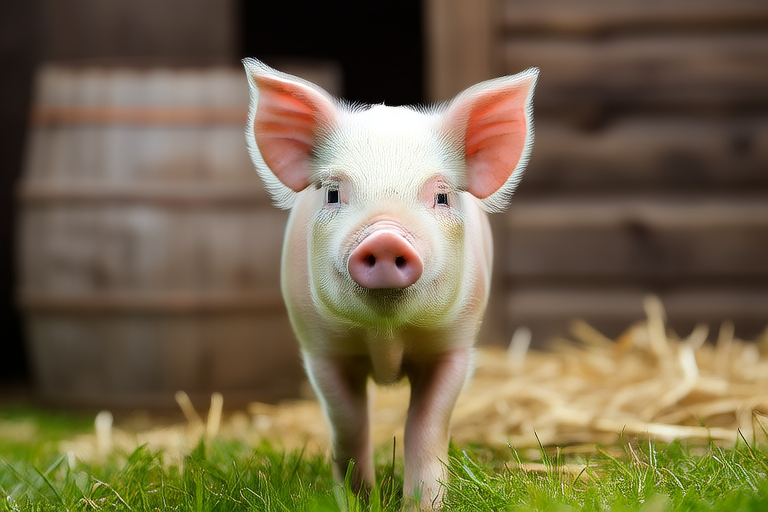
Adopting a Mini Pig: A Comprehensive Guide for First-Time Owners
Introduction
The growing popularity of mini pigs as pets has been remarkable in recent years. These compact, intelligent animals have captured the hearts of many pet lovers, often mistaken for being tiny versions of their larger counterparts. However, it’s crucial to understand that while mini pigs may look small, they can grow significantly and require ample care and attention. This guide aims to provide first-time owners with all the essential information needed to successfully adopt and care for a mini pig.
Key Factors to Consider Before Adoption
Before bringing a mini pig into your home, several important considerations should be addressed. Space requirements are paramount; mini pigs need room to move around comfortably. While they are smaller than standard pigs, they still require ample space both indoors and outdoors. Dietary needs are also critical; mini pigs are prone to obesity if not fed correctly. A balanced diet rich in vegetables, fruits, and grains is ideal. Lastly, understanding the average lifespan of a mini pig, which can range from 12 to 20 years, is essential for long-term commitment.
Selecting the Right Breeder or Rescue Organization
Choosing a reputable breeder or rescue organization is vital for ensuring you adopt a healthy mini pig. Reputable breeders prioritize the well-being of their animals and provide detailed health records. Rescue organizations offer another option, often rescuing pigs from neglectful situations. Whichever route you choose, ensure the breeder or rescue provides comprehensive information about the pig’s background and any specific needs.
Initial Setup at Home
Creating a comfortable environment for your new mini pig is essential. Suitable housing includes a spacious pen with adequate bedding, shelter from extreme weather conditions, and toys for mental stimulation. Feeding tips involve establishing a consistent feeding schedule and providing a variety of nutritious foods. Necessary supplies include a sturdy feeder, water dispenser, bedding materials, and toys designed for pigs.
Training and Socialization Techniques
Mini pigs are highly intelligent and trainable, making them excellent companions. Basic commands like ‘come,’ ‘sit,’ and ‘stay’ can be taught through positive reinforcement methods. Consistency and patience are key in training. Socialization is equally important; exposing your mini pig to various environments and people helps build confidence and prevents behavioral issues. Regular interaction with other animals, especially those of similar species, can enhance their social skills.
Maintaining a Healthy Lifestyle
To ensure your mini pig remains healthy, regular health check-ups are necessary. Schedule annual visits with a veterinarian experienced in pig care. Exercise routines should be tailored to meet the pig’s activity level, incorporating playtime and walks. Grooming practices include brushing the coat regularly to prevent matting and bathing occasionally to keep the skin clean. Additionally, monitoring weight and adjusting diet accordingly is crucial for maintaining optimal health.
Conclusion
Adopting a mini pig is a significant commitment that requires careful planning and dedication. By considering space requirements, dietary needs, and choosing the right breeder or rescue organization, you set the foundation for a happy and healthy life together. Proper initial setup, effective training and socialization techniques, and maintaining a healthy lifestyle will ensure your mini pig thrives in its new home. With the right approach, owning a mini pig can be a rewarding and joyful experience for both you and your new pet.
