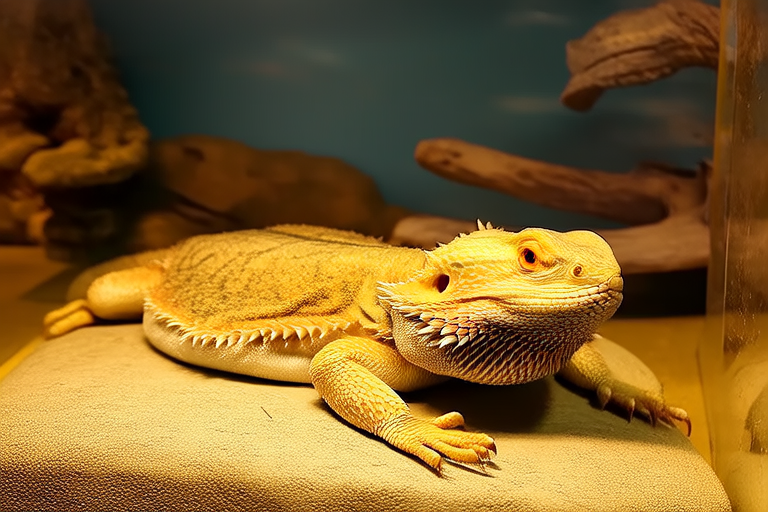
7 Essential Tips for Raising a Healthy Bearded Dragon at Home
Welcome to the world of bearded dragon ownership! These fascinating reptiles are popular pets because of their friendly nature and relatively low maintenance compared to other exotic animals. However, raising a healthy bearded dragon requires careful attention to several key factors that ensure their well-being. In this article, we will explore seven essential tips for creating a thriving environment for your bearded dragon at home. From diet and hydration to habitat setup and temperature control, these guidelines will help you provide the best care possible.
1. Proper Diet: A Balanced Menu for Your Bearded Dragon
Bearded dragons are omnivores, meaning they eat both plant matter and animal protein. Their diet should mimic what they would consume in the wild, which includes a variety of vegetables, fruits, and insects. The right balance ensures they get all necessary nutrients for optimal health.
Vegetables should make up around 60% of their diet, with leafy greens like kale, collard greens, and dandelion leaves being particularly beneficial. Fruits can be given sparingly as treats, but too much sugar can lead to obesity. Insects such as crickets, dubia roaches, and mealworms provide essential proteins and fats. It’s important to gut-load feeder insects by feeding them nutritious foods before offering them to your dragon. This practice enhances the nutritional value of the prey.
To maintain a balanced diet, rotate different types of vegetables and insects weekly. For example, one week you might focus on leafy greens and crickets, while the next could include squash and mealworms. Always remember to remove any uneaten food after 30 minutes to prevent spoilage or potential digestive issues.
2. Hydration: Keeping Your Bearded Dragon Well-Hydrated
Water is crucial for maintaining good health in bearded dragons. They obtain most of their water through their food, especially when eating fresh vegetables. However, providing a shallow water dish is still important. Ensure it’s large enough for them to soak but not deep enough to pose drowning risks.
In addition to drinking water, some bearded dragons enjoy soaking in their water dishes. Encourage this behavior by placing the dish in a warm spot within their enclosure. Regular bathing also helps keep their skin hydrated and aids in shedding.
A common pitfall to avoid is over-relying on misting as a primary source of hydration. While misting can create humidity, it doesn’t provide sufficient water intake for your dragon. Always offer a clean water source alongside other methods of moisture provision.
3. Habitat Setup: Creating a Natural Environment
The habitat setup plays a vital role in the overall health of your bearded dragon. Mimicking their natural desert environment is key to keeping them comfortable and stress-free. Start by choosing an appropriate-sized tank; adult bearded dragons need at least a 40-gallon terrarium.
Provide hiding spots using caves, logs, or commercially available shelters. These hideouts serve multiple purposes: they reduce stress, aid in thermoregulation, and offer privacy during sleep cycles. Place one hide on the cooler side of the enclosure and another on the warmer side to allow your dragon to choose its preferred temperature.
Substrate choice is equally important. Avoid loose materials like sand or wood shavings, which can cause impaction if ingested. Instead, opt for reptile carpet, paper towels, or eco-friendly substrates designed specifically for bearded dragons. These options are safer and easier to clean.
4. Temperature Control: Maintaining Optimal Heat Levels
Bearded dragons are ectothermic, meaning they rely on external sources of heat to regulate their body temperature. Proper heating is critical for digestion, metabolism, and overall well-being. Achieve this by setting up a basking area where temperatures reach between 95°F and 110°F (35°C to 43°C). The cooler end of the enclosure should stay around 80°F to 85°F (27°C to 29°C).
Use a combination of under-tank heaters, ceramic heat emitters, and overhead lights to create these temperature gradients. Always monitor temperatures with digital thermometers placed at various points throughout the enclosure. Consistency is key, so invest in high-quality heating equipment and consider backup systems in case of power outages.
One common mistake among new owners is placing the heat source directly above the substrate. This can lead to hotspots that burn your dragon’s belly or tail. Instead, position the heat source away from direct contact with the floor and use a thermostat to maintain steady temperatures.
5. Lighting Requirements: Ensuring UVB Exposure
UVB light is essential for bearded dragons as it allows them to synthesize vitamin D3, which aids in calcium absorption. Without adequate UVB exposure, your dragon may develop metabolic bone disease, leading to weakened bones and deformities.
Select a full-spectrum fluorescent bulb specifically designed for reptiles that emits UVB rays. Replace bulbs every six months even if they still appear functional, as UV output diminishes over time. Position the light fixture close enough to the basking area so that your dragon receives sufficient UVB without overheating. Typically, this means placing the light about 12 inches (30 cm) above the substrate.
Remember to provide a 12-hour light cycle daily, mimicking natural day-night patterns. This schedule promotes healthy circadian rhythms and encourages natural behaviors like basking and feeding. Use a timer to automate the process if needed.
6. Handling Techniques: Building Trust and Safety
Proper handling techniques are crucial for building trust between you and your bearded dragon. Start by letting them adjust to their new home for a few days before attempting to handle them. Once they seem comfortable, gently pick them up using two hands – one supporting their chest and the other supporting their hindquarters.
Avoid squeezing or restraining your dragon tightly. Instead, allow them to move freely within your grasp while offering gentle support. If your dragon appears stressed or tries to bite, calmly return them to their enclosure and try again later.
Regular interaction helps strengthen the bond between you and your pet. Spend time together daily, allowing them to explore safe areas outside their tank under supervision. Just remember to supervise closely to prevent accidental escapes or injuries.
7. Regular Health Check-Ups: Monitoring Your Dragon’s Well-Being
Regular health check-ups are essential for catching any potential issues early. Observe your dragon’s behavior, appetite, and physical appearance daily. Look out for signs of illness such as lethargy, loss of appetite, abnormal stool, or changes in coloration.
Schedule annual visits with a veterinarian specializing in reptiles. During these appointments, your vet can perform a comprehensive examination, including blood tests and fecal exams. They can also advise on vaccinations, parasite control, and other preventive measures tailored to your dragon’s specific needs.
Establishing a routine for grooming and nail trimming is also beneficial. Trim nails every few weeks if they become too long, using specialized reptile clippers. Be cautious not to cut the quick, which contains blood vessels and nerves. If unsure, consult a professional for guidance.
Conclusion
Raising a healthy bearded dragon involves understanding their unique needs and providing an environment that closely resembles their natural habitat. By following these seven essential tips – focusing on diet, hydration, habitat setup, temperature control, lighting requirements, handling techniques, and regular health check-ups – you’ll set your pet up for success. Remember, each bearded dragon has individual preferences, so pay close attention to how yours responds to different stimuli and adjust accordingly. With love, patience, and proper care, you’ll enjoy many happy years together with your scaly companion.
