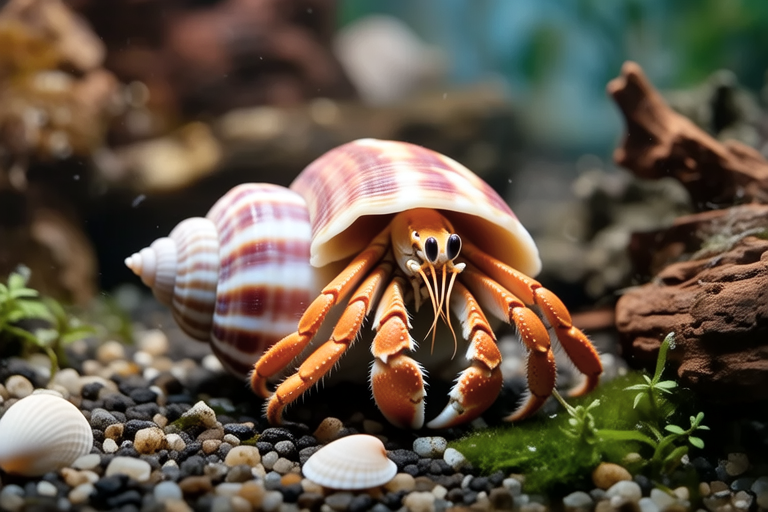
Hermit Crab Habitat Hacks: Create an Oasis for Your Shelly Friend
Welcome to the fascinating world of hermit crabs! These quirky creatures are known for their unique behavior of carrying their homes around. While they may seem simple at first glance, hermit crabs have specific needs that must be met to ensure their health and happiness. Creating a suitable habitat involves more than just providing a tank; it’s about crafting an environment that mimics their natural surroundings. In this guide, we’ll walk you through the essentials of setting up a hermit crab habitat, offering creative ideas to enhance their environment, and sharing tips for maintaining optimal conditions.
The Unique Needs and Behaviors of Hermit Crabs
Hermit crabs are social animals that thrive in groups. They are nocturnal, meaning they are most active during the night. Their shells protect them from predators and harsh weather, but these shells can also become worn or too small as the crabs grow. Therefore, it’s important to provide them with a variety of shell options in different sizes and shapes. Additionally, hermit crabs are omnivores, feeding on both plant and animal matter, and require a balanced diet to stay healthy.
Essential Habitat Components
Substrate
The substrate forms the base of your hermit crab’s home. It should be deep enough (at least 4 inches) to allow for burrowing and provide a stable environment for molting. Coconut fiber, which retains moisture well, is often recommended. Avoid using sand unless it’s fine and non-toxic, as larger grains can cause impaction if ingested.
Water Dishes
Hermit crabs need access to both fresh and saltwater. The saltwater dish should contain marine-grade aquarium salt mixed with distilled or filtered water. The fresh water dish should be filled with clean, dechlorinated water. Both dishes should be shallow enough for the crabs to drink from easily but deep enough to submerge themselves if desired.
Hiding Spots
Providing ample hiding spots is crucial for hermit crabs. These spaces offer security and reduce stress. Use items like coconut huts, ceramic caves, or driftwood. Ensure any objects are secure and won’t tip over, preventing accidents.
DIY Ideas for Enhancing Their Environment
Creating a stimulating environment for your hermit crabs can be both fun and rewarding. Here are some safe and enriching DIY projects:
- Shell Decorating: Clean empty shells and paint them with non-toxic paints. Allow them to dry completely before introducing them to the tank.
- DIY Hideouts: Construct hideouts from materials like cork bark or untreated wood. These structures can add visual interest and provide additional shelter.
- Natural Elements: Incorporate elements like sea sponges or pieces of coral for climbing and exploring.
All DIY additions should be checked for safety and compatibility with other tank inhabitants. Always prioritize the well-being of your pets.
Temperature and Humidity Requirements
Maintaining the right temperature and humidity levels is critical for hermit crabs. Ideally, the temperature should range between 75-85°F (24-29°C), while humidity should be kept at 70-80%. This can be achieved by misting the tank daily, using a hygrometer to monitor humidity, and ensuring proper ventilation.
To maintain these conditions, consider using a heat mat or under-tank heater to keep the substrate warm. Position a thermometer near the bottom of the tank to check the temperature regularly. A gentle misting system can help maintain humidity levels, especially in drier climates.
Tips for Maintaining Optimal Conditions
Regularly cleaning the water dishes and replenishing them with fresh, dechlorinated water is essential. Check the substrate for any signs of mold or decay, and replace it as needed. Monitor the temperature and humidity closely, adjusting your heating and misting systems as necessary.
Inspect the tank weekly for any signs of wear and tear on decorations or equipment. Regularly replace the substrate and clean the tank thoroughly every few months to prevent the buildup of harmful bacteria.
Signs of a Healthy Hermit Crab
A healthy hermit crab will exhibit active behavior, good appetite, and bright, clear eyes. Their antennae should be fully extended and responsive to stimuli. If you notice lethargy, loss of appetite, or cloudy eyes, it could indicate health issues. Consult a veterinarian specializing in exotic pets for guidance.
Conclusion
Creating a habitat for hermit crabs is a rewarding endeavor that requires attention to detail and creativity. By understanding their unique needs and behaviors, you can craft an environment that not only meets but exceeds their expectations. Remember to prioritize safety and enrichment, and always be mindful of the signs that indicate a happy, healthy hermit crab. With the right setup and care, your shelly friend will thrive in their new oasis.
