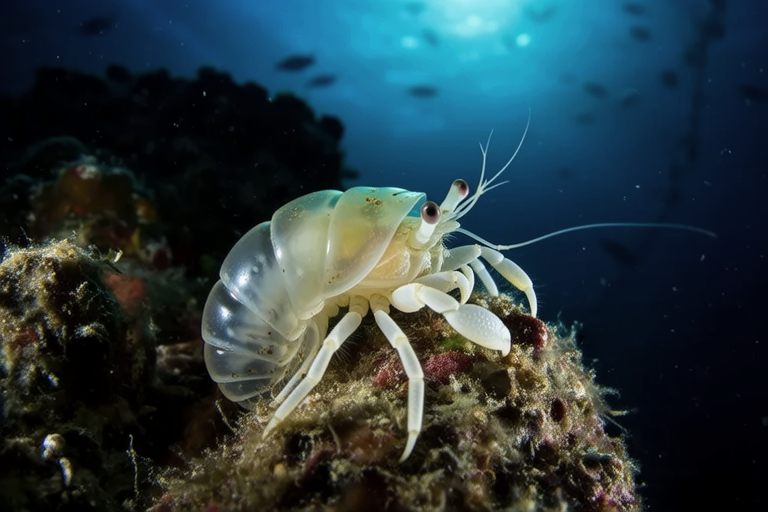
The Unique Life Cycle and Symbiotic Relationship of Pea Crabs
Pea crabs, belonging to the family Pinnotheridae, are a fascinating group of crustaceans that have adapted to live within the mantle cavity of bivalve mollusks, such as sea hares and clams. These tiny crustaceans have an extraordinary life cycle and symbiotic relationship that has intrigued marine biologists for years. This article delves into the unique adaptations, life cycle, and symbiotic relationships of pea crabs, highlighting their habitat, diet, reproduction, and the challenges they face in their environment. Additionally, it explores how understanding these creatures can foster a deeper connection with marine ecosystems and inspire conservation efforts.
Habitat and Adaptation
Pea crabs are found in various parts of the world’s oceans, from shallow coastal waters to the deep ocean floor. They have adapted to live within the mantle cavity of bivalves, which provides them with protection, food, and a stable environment. The bivalve hosts offer a safe haven for pea crabs, protecting them from predators and harsh environmental conditions. In return, pea crabs help their hosts by cleaning them of parasites and mucus, ensuring better health and survival. Pea crabs have evolved to be small in size, typically ranging from 3 to 15 millimeters, allowing them to fit comfortably within the confines of their hosts.
Pea crabs have developed specialized appendages and mouthparts that enable them to thrive in their unique habitat. Their small size and flattened body shape allow them to move easily within the narrow spaces of their hosts. Additionally, pea crabs have a reduced carapace and a more flexible body, which helps them maneuver through the complex internal structure of their hosts. This adaptation is crucial for their survival, as it allows them to avoid being crushed or ejected by their hosts.
Diet and Feeding Habits
The diet of pea crabs primarily consists of plankton, detritus, and the mucus produced by their bivalve hosts. They use their specialized mouthparts to filter feed on these food sources, ensuring a steady supply of nutrients. Pea crabs play a vital role in maintaining the health of their hosts by consuming excess mucus and debris, which helps prevent infections and disease. This mutualistic relationship benefits both the pea crabs and their hosts, contributing to the overall stability of marine ecosystems.
Pea crabs have adapted to the limited space within their hosts by developing efficient feeding mechanisms. Their ability to filter feed on a variety of food sources ensures that they can survive in environments where other organisms might struggle. This adaptability is essential for their survival, as it allows them to thrive in diverse habitats and under varying environmental conditions.
Reproduction and Life Cycle
The reproductive process of pea crabs is closely tied to their symbiotic relationship with their hosts. Mating occurs within the mantle cavity of the host bivalve, where male and female pea crabs come together to mate. After fertilization, the female carries the eggs on her abdomen until they hatch. The larvae then leave the host and enter the water column, where they undergo several molts before settling on a new host. This process ensures that pea crabs continue to thrive in their unique habitat.
The life cycle of pea crabs is characterized by a high degree of specialization and adaptation. Their ability to reproduce and develop within the confines of their hosts demonstrates the intricate balance of marine ecosystems. Understanding this life cycle is crucial for appreciating the complexity of marine life and the importance of preserving these delicate relationships.
Challenges and Threats
Despite their successful adaptation, pea crabs face numerous challenges in their environment. One of the primary threats to pea crabs is overfishing, which can lead to a decline in the population of their bivalve hosts. This, in turn, affects the availability of suitable hosts for pea crabs, potentially leading to a decrease in their population. Additionally, climate change and pollution pose significant risks to pea crabs and their hosts, altering the chemical composition of seawater and affecting the health of marine ecosystems.
Understanding the challenges faced by pea crabs is essential for developing effective conservation strategies. By addressing the root causes of these threats, we can help ensure the survival of pea crabs and the ecosystems they inhabit. This knowledge also highlights the interconnectedness of marine life and the importance of protecting the delicate balance of marine ecosystems.
Conservation Efforts and Appreciation
Learning about pea crabs and their unique life cycle can inspire a deeper connection with marine ecosystems and foster a greater appreciation for the intricate balance of marine life. By understanding the challenges faced by pea crabs, we can develop effective conservation strategies that protect not only these tiny crustaceans but also the larger marine ecosystem they inhabit.
Conservation efforts aimed at protecting pea crabs and their hosts can take many forms, including reducing overfishing, promoting sustainable fishing practices, and raising awareness about the importance of marine biodiversity. Additionally, research into the biology and ecology of pea crabs can provide valuable insights into the functioning of marine ecosystems and inform conservation decisions.
By studying pea crabs, we can gain a better understanding of the complex relationships that exist within marine ecosystems. This knowledge can inspire a greater appreciation for the beauty and diversity of marine life, bringing the wonder of the deep sea closer to heart. It can also encourage people to take action to protect these delicate ecosystems and the countless species that call them home.
In conclusion, pea crabs are a fascinating group of crustaceans that have adapted to live within the mantle cavity of bivalve mollusks. Their unique life cycle and symbiotic relationship highlight the intricate balance of marine ecosystems and the importance of preserving these delicate relationships. By understanding the challenges faced by pea crabs and the ecosystems they inhabit, we can develop effective conservation strategies that protect not only these tiny crustaceans but also the larger marine ecosystem they call home. Learning about pea crabs can inspire a deeper connection with marine ecosystems and foster a greater appreciation for the beauty and diversity of marine life, bringing the wonder of the deep sea closer to heart.
