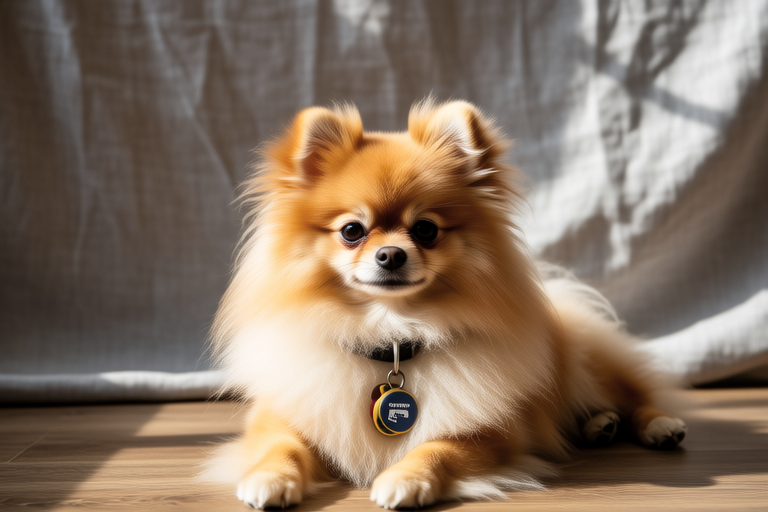
Pomeranian Training Tips That Will Make Your Life Easier
Welcome to this comprehensive guide on training your Pomeranian! Whether you’re a first-time owner or have years of experience with these adorable little dogs, understanding how to effectively train your Pomeranian can significantly enhance your relationship with your pet and make your life easier. In this article, we’ll cover essential training techniques, including basic obedience training, housebreaking methods, socialization strategies, and tips for managing small dog syndrome. We’ll also provide practical advice, address common challenges faced by Pomeranian owners, and offer effective solutions. Let’s dive into the world of Pomeranian training!
Basic Obedience Training: Building a Foundation
Basic obedience training is crucial for any dog, and Pomeranians are no exception. Teaching your Pomeranian commands such as ‘sit,’ ‘stay,’ ‘come,’ and ‘leave it’ not only ensures safety but also strengthens your bond. Start with simple commands like ‘sit.’ Hold a treat above their head, and as they look up, their bottom will naturally lower. Say ‘sit’ when they do so, then reward them with the treat and praise. Consistency is key; practice this several times a day until your Pomeranian masters the command.
The ‘stay’ command builds on ‘sit.’ Once your Pomeranian is sitting, extend your hand in front of them and say ‘stay.’ Take a step back, then return and give a treat if they haven’t moved. Gradually increase the distance and time. For ‘come,’ use a happy, excited tone to call your Pomeranian’s name followed by ‘come.’ Reward them immediately upon reaching you. The ‘leave it’ command prevents your Pomeranian from picking up unwanted objects. Place an item on the ground, and when they approach, say ‘leave it.’ Wait for them to back off, then give a treat and praise.
Real-life example: Sarah, a new Pomeranian owner, struggled with her dog running away during walks. After consistent ‘come’ training, her Pomeranian now reliably returns when called, making walks much more enjoyable.
Housebreaking Methods: Keeping Your Home Clean
Housebreaking is one of the most challenging aspects of owning a puppy, but with patience and persistence, you can teach your Pomeranian to use a designated area. Establish a routine for feeding and potty breaks. Take your Pomeranian outside after meals, naps, playtime, and any time they wake up. Choose a specific spot outdoors for bathroom breaks and use a consistent command, like ‘go potty.’
If accidents occur indoors, clean the area thoroughly with an enzymatic cleaner to remove odors. Avoid punishing your Pomeranian, as this can lead to fear and reluctance to go outside. Instead, redirect them to the correct spot and reward them for eliminating there. Crate training can also be beneficial, as Pomeranians generally dislike soiling their sleeping area. Keep crate time short, especially for puppies, and gradually increase it as they learn to control their bladder.
Real-life example: John’s Pomeranian had frequent indoor accidents until he established a strict schedule and used a crate. Now, his Pomeranian reliably uses the backyard for bathroom breaks.
Socialization Strategies: Raising a Confident Pomeranian
Socializing your Pomeranian is vital for their emotional well-being and behavior. Expose your Pomeranian to various people, animals, environments, and situations while they are young. Positive interactions will help them become confident and friendly adults. Start with family and friends, gradually introducing your Pomeranian to new people, pets, and settings.
Attend puppy classes or join a dog park to provide controlled socialization opportunities. Always ensure your Pomeranian is up-to-date on vaccinations before exposing them to other dogs. Use treats and praise to reinforce good behavior during social interactions. If your Pomeranian shows signs of fear or aggression, consult a professional trainer or behaviorist for guidance.
Real-life example: Lisa noticed her Pomeranian becoming aggressive around other dogs. With the help of a trainer, she practiced controlled introductions and positive reinforcement. Her Pomeranian now enjoys meeting new friends at the dog park.
Tips for Managing Small Dog Syndrome: Emphasizing Leadership
Small dog syndrome, where a dog exhibits dominant behaviors due to their small size, can be challenging. It’s important to establish yourself as the leader while maintaining a loving relationship. Use positive reinforcement to encourage desired behaviors and ignore unwanted ones. Redirect your Pomeranian’s attention to appropriate activities when they display dominant behavior.
Consistency is crucial in managing small dog syndrome. Set clear boundaries and enforce them consistently. For instance, if your Pomeranian jumps on the couch, gently remove them and place them on the floor. Reward them for staying off the furniture. Real-life example: Mark’s Pomeranian used to bark incessantly at visitors. By rewarding calm behavior and ignoring barking, Mark taught his Pomeranian to greet guests politely.
Common Challenges and Solutions
Owners often face challenges such as excessive barking, chewing, and separation anxiety. Addressing these issues early can prevent long-term behavioral problems.
- Excessive Barking: Teach your Pomeranian the ‘quiet’ command. When they bark, say ‘quiet’ and wait for them to stop. Reward them immediately. Provide toys or chew items to redirect their energy.
- Chewing: Offer appropriate chew toys and supervise your Pomeranian. Redirect them to the correct toy when they start chewing on something they shouldn’t. Crate training can also prevent access to inappropriate items.
- Separation Anxiety: Gradually increase the time your Pomeranian spends alone. Start with short periods and gradually increase duration. Provide a comfortable space with toys and a familiar blanket. Consider using calming aids like pheromone diffusers or music designed for dogs.
Real-life example: Emily’s Pomeranian suffered from separation anxiety, causing her to chew on furniture. By gradually increasing alone time and providing comfort items, Emily’s Pomeranian now enjoys quiet time without destructive behavior.
The Importance of Consistency and Positive Reinforcement
Consistency and positive reinforcement are the cornerstones of successful Pomeranian training. Dogs thrive on routine and clear expectations. Be patient and persistent, and always reward good behavior. This approach fosters a strong bond between you and your Pomeranian and encourages desirable behaviors.
Positive reinforcement includes verbal praise, treats, and affection. Use these rewards to motivate your Pomeranian and celebrate their successes. Avoid physical punishment, which can lead to fear and aggression. Instead, focus on redirection and positive alternatives.
Real-life example: David’s Pomeranian struggled with basic commands. By consistently rewarding good behavior and ignoring mistakes, David’s Pomeranian quickly learned to follow instructions reliably.
Conclusion
Training your Pomeranian requires dedication, patience, and love. By implementing basic obedience training, effective housebreaking methods, proper socialization, and strategies for managing small dog syndrome, you can create a well-behaved and happy companion. Remember to stay consistent and use positive reinforcement throughout the training process. With time and effort, your Pomeranian will become a joy to live with, making your life easier and more fulfilling. Happy training!
