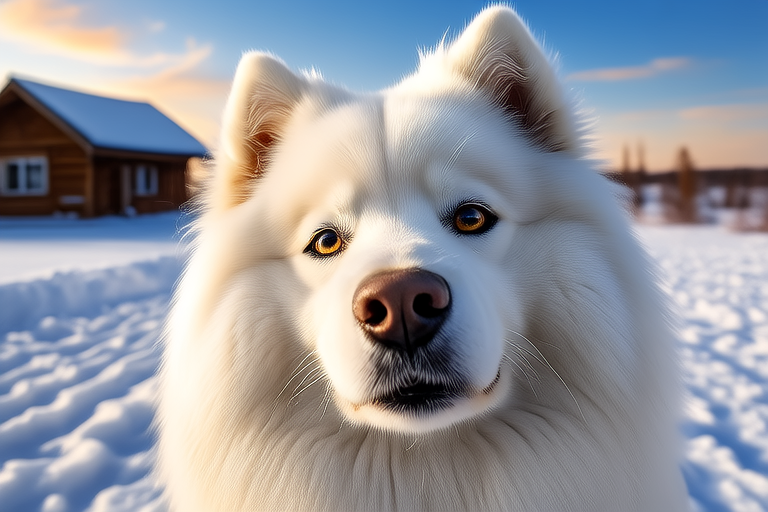
From Siberia to Your Living Room: The Journey of Samoyeds
The Samoyed, a breed known for its striking white coat and perpetually smiling face, has a rich history that spans thousands of years. Originating in Siberia, these dogs have been indispensable to the indigenous Nenets people, also known as Samoyedes, who relied on them for herding reindeer and providing companionship. This article delves into the origins of Samoyeds, their journey from Siberia to your living room, and what makes them such beloved family pets today.
Origins in Siberia
In the harsh, frozen landscapes of Siberia, the Samoyed breed was developed by the Nenets people, a nomadic tribe who depended heavily on their dogs. These canines were crucial for herding reindeer, ensuring the tribe’s survival in the unforgiving environment. Samoyeds were also cherished for their loyalty and companionship, often sharing sleeping quarters with their human families to provide warmth during the long, cold nights.
Physical Characteristics
Samoyeds are easily recognizable by their thick, fluffy white coats, which serve as excellent insulation against the biting Siberian winds. Their double-layered fur, comprising a soft undercoat and a longer, water-resistant topcoat, keeps them warm and dry even in the harshest conditions. Their facial features, including their distinctive black noses and dark eyes set against a snowy-white face, give them their famous “smiling” appearance. This smile, combined with their gentle expression, makes them irresistible to many dog lovers.
Temperament and Cold Climate Adaptation
Besides their physical attributes, Samoyeds are renowned for their friendly and outgoing personalities. They are generally good-natured, sociable, and eager to please, making them ideal companions for families. Their adaptability to cold climates is unmatched; they thrive in frosty weather and enjoy playing in snow. However, this doesn’t mean they are inactive indoors—they require plenty of mental and physical stimulation to stay happy and healthy.
Journey from Siberia to the World
The migration of Samoyeds from Siberia to other parts of the world began in the mid-19th century when explorers and travelers brought them back to Europe and North America. These early imports were primarily used for sledding and herding but quickly caught the attention of enthusiasts at dog shows. In 1880, the first Samoyed was exhibited at a dog show in England, marking the beginning of their rise in popularity. By the early 20th century, they had become a favorite among pet owners and were recognized by various kennel clubs.
Introduction to Dog Shows
The introduction of Samoyeds to dog shows played a significant role in their growing recognition. Initially, they competed in working classes due to their herding and sledding abilities. Over time, their beauty and charm became apparent, leading to their inclusion in the non-sporting group. Today, they continue to be a popular choice for conformation shows, where their elegant appearance and confident demeanor shine.
Popularity as Family Pets
As Samoyeds gained recognition, they also became increasingly popular as family pets. Their friendly nature and adaptability made them perfect companions for households of all sizes. Despite their initial purpose as working dogs, they excel in domestic settings, providing love and companionship to their human families. Their intelligence and trainability make them easy to integrate into daily routines, though they still require ample exercise and mental stimulation.
Unique Traits
One of the most endearing qualities of Samoyeds is their perpetually smiling face. This characteristic, along with their fluffy white coats, sets them apart from other breeds. Their expressive eyes and gentle demeanor create a bond with their owners that is both heartwarming and lasting. Additionally, Samoyeds are known for their vocalizations, often barking or howling to communicate their needs or express excitement.
Caring for a Samoyed in Modern Living Environments
For those considering bringing a Samoyed into their home, it is essential to understand their care requirements. Regular exercise is crucial to keep these active dogs healthy and happy. Daily walks and playtime are necessary to prevent boredom and maintain their physical fitness. Grooming is another important aspect, given their thick coats. Frequent brushing helps to remove loose hair and prevent matting. Bathing should be done sparingly to avoid stripping their natural oils.
Training a Samoyed requires patience and consistency. Positive reinforcement methods work best, as they respond well to praise and treats. Socialization is equally important, especially during their formative months. Early exposure to different environments, people, and other animals will help them develop into well-rounded and confident adults.
Conclusion
The journey of Samoyeds from Siberia to your living room is a testament to their versatility and enduring appeal. From their origins as working dogs for the Nenets people to their current status as beloved family pets, Samoyeds have captivated hearts with their friendly nature and striking appearance. For potential owners, understanding their care needs and providing them with the right environment ensures that these magnificent dogs can thrive in modern living spaces. With proper attention and affection, Samoyeds will bring joy and companionship to your household for years to come.
