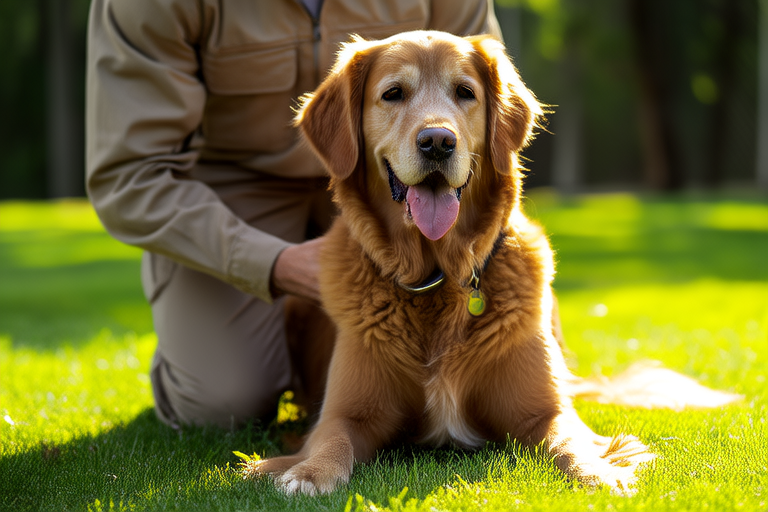
How to Train Your German Shepherd: Tips from Expert Dog Trainers
German Shepherds are intelligent, loyal, and versatile dogs that have been cherished by families and professionals alike for generations. However, their high energy levels and strong work ethic mean that they require consistent training, socialization, and exercise to thrive. This article will provide you with expert advice on how to train your German Shepherd effectively, covering everything from basic obedience training to addressing common behavioral issues.
Basic Obedience Training
The foundation of any successful relationship with your German Shepherd begins with basic obedience training. Teaching commands such as ‘sit,’ ‘stay,’ ‘come,’ and ‘heel’ can help ensure your dog’s safety while also reinforcing your role as the pack leader. According to Dr. Ian Dunbar, a renowned animal behaviorist, puppies should start learning these commands around eight weeks of age.
- Start Early: Begin training when your puppy is young, ideally between eight and ten weeks old. Puppies have shorter attention spans but are more receptive to learning new things.
- Use Positive Reinforcement: Reward good behavior with treats, praise, or playtime. Positive reinforcement helps build a strong bond between you and your dog while making training enjoyable for both of you.
- Be Consistent: All family members should use the same commands and rewards to avoid confusing your dog. Consistency is key to effective training.
Remember, patience is crucial during this process. Training sessions should be short (around five minutes) and frequent to keep your puppy engaged. As your German Shepherd grows older, gradually increase the duration and complexity of your training sessions.
Socialization Techniques
Socializing your German Shepherd is essential for preventing fear-based aggression and ensuring they become well-adjusted adults. Proper socialization involves exposing your puppy to various people, environments, and situations in a positive and controlled manner.
- Expose Your Puppy to Different People: Introduce your puppy to different types of people, including children, elderly individuals, and those wearing hats or sunglasses. Encourage gentle interactions and reward calm behavior.
- Introduce New Environments: Take your puppy to different places like parks, pet stores, and friends’ homes. This will help them become accustomed to various sights, sounds, and smells.
- Engage with Other Dogs: Arrange supervised playdates with other vaccinated and friendly dogs. Playing together can teach your puppy important social skills and manners.
It’s important to note that socialization should be a gradual process. Overstimulating your puppy could lead to anxiety or fear. Always monitor their body language for signs of stress, such as cowering, lip licking, or excessive panting. If you notice these signs, remove your puppy from the situation and try again another day.
Exercise Needs
German Shepherds are working dogs that were originally bred for herding sheep. They have high energy levels and require regular physical activity to maintain their physical and mental health. According to the American Kennel Club (AKC), adult German Shepherds need at least one hour of exercise daily, which can include walking, running, or playing fetch.
- Walking: Daily walks are an excellent way to provide your German Shepherd with structured exercise. Aim for two 30-minute walks per day, but adjust based on your dog’s individual needs.
- Running: If possible, take your German Shepherd for runs in a safe area. Running can help burn off excess energy and improve cardiovascular fitness.
- Playing: Interactive toys and games like tug-of-war or fetch can provide mental stimulation while keeping your dog physically active.
In addition to structured exercise, consider incorporating agility training or obedience competitions into your routine. These activities can challenge your German Shepherd mentally and physically while providing opportunities for bonding and learning.
Mental Stimulation Activities
Besides physical exercise, German Shepherds also need mental stimulation to stay sharp and engaged. Boredom can lead to destructive behaviors, so it’s essential to keep your dog’s mind active. Here are some ideas for mental stimulation:
- Puzzle Toys: Puzzle toys challenge your dog to figure out how to get treats or food. This can be particularly beneficial for problem-solving and cognitive development.
- Training Games: Incorporate training into your daily routine by teaching new tricks or practicing previously learned commands. This keeps your dog engaged and reinforces your bond.
- Interactive Play: Engage in interactive play with your German Shepherd, such as hide-and-seek or scent games. These activities can stimulate their natural instincts and provide mental challenges.
Remember, mental stimulation is just as important as physical exercise. A tired mind is less likely to engage in destructive behaviors. By providing both physical and mental outlets, you’ll help ensure your German Shepherd remains happy and well-behaved.
Common Behavioral Issues and Solutions
While German Shepherds are generally well-behaved dogs, they can develop certain behavioral issues if not properly trained or exercised. Here are some common problems and solutions:
- Separation Anxiety: Many German Shepherds experience separation anxiety when left alone for extended periods. To prevent this, gradually acclimate your dog to being alone by leaving them for short periods and increasing the time over several days. Providing puzzle toys or playing calming music can also help ease their anxiety.
- Destructive Chewing: German Shepherds may chew on inappropriate items if they’re bored or anxious. Redirect their chewing behavior by providing appropriate chew toys and praising them when they use these toys. Crate training can also be useful in managing destructive chewing.
- Excessive Barking: Some German Shepherds bark excessively, especially when left alone or when they hear unfamiliar noises. Teach your dog the ‘quiet’ command and reward them for stopping barking. Desensitization exercises can also help reduce barking triggered by external stimuli.
If your German Shepherd exhibits persistent behavioral issues, consult with a professional dog trainer or behaviorist. They can offer personalized advice and strategies tailored to your dog’s specific needs.
Establishing a Routine
Establishing a consistent routine is vital for helping your German Shepherd feel secure and understand what is expected of them. A well-structured schedule can reduce stress and promote good behavior. Here’s how to create an effective routine:
- Meal Times: Feed your German Shepherd at set times each day. This helps regulate their metabolism and prevents begging or overeating.
- Exercise Schedule: Set aside specific times for walks, runs, or play sessions. Regular exercise will keep your dog healthy and well-behaved.
- Training Sessions: Schedule short training sessions throughout the day to reinforce good behavior and introduce new commands.
- Nap Times: Allow your German Shepherd to rest after meals and before bedtime. Rest is essential for recovery and growth.
A consistent routine provides structure and predictability, which can be comforting for your German Shepherd. It also makes it easier to identify and address any behavioral issues that arise.
Building a Strong Bond
The relationship between you and your German Shepherd is built on trust, respect, and mutual understanding. Here are some tips for strengthening your bond:
- Spending Quality Time Together: Spend time playing, walking, or simply cuddling with your dog. Quality time helps reinforce your bond and shows your dog that you care about them.
- Positive Reinforcement: Use positive reinforcement consistently to reward good behavior. This builds trust and encourages your dog to repeat desired actions.
- Listening to Your Dog: Pay attention to your German Shepherd’s body language and vocalizations. Understanding their needs and preferences can help strengthen your connection.
- Patience and Compassion: Be patient and compassionate with your German Shepherd, especially during challenging moments. A loving approach fosters trust and loyalty.
By following these tips, you’ll be able to establish a strong bond with your German Shepherd that lasts a lifetime. Remember, every dog is unique, so be prepared to adapt your training methods and routines as needed.
Conclusion
Training your German Shepherd requires dedication, patience, and consistency. By following the advice provided in this article, you’ll be well-equipped to raise a well-behaved, happy, and healthy companion. Remember to always use positive reinforcement, establish a routine, and provide ample exercise and mental stimulation. With time and effort, you’ll build a strong bond with your German Shepherd that will bring years of joy and companionship.
