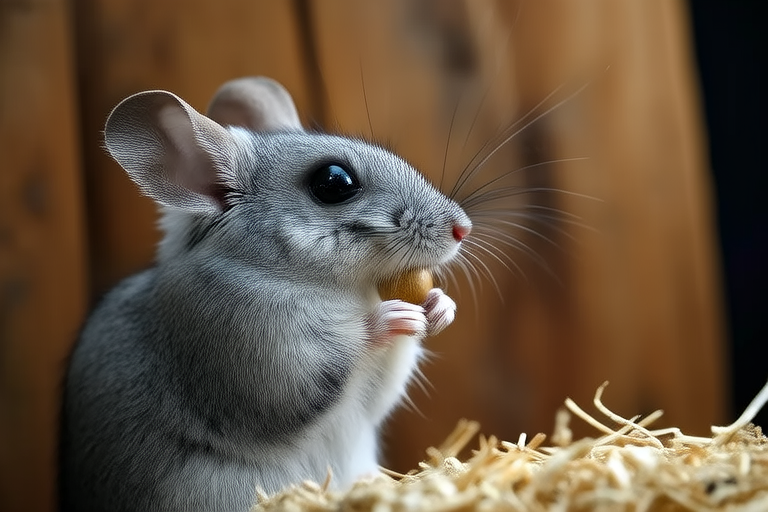
Top 10 Fun Facts About Chinchillas That Will Make You Want One
Chinchillas are some of the most unique and adorable creatures you can bring into your home as pets. These small mammals, native to the Andes Mountains in South America, have captured the hearts of many animal lovers with their soft fur, playful nature, and quirky behaviors. In this article, we will explore the top 10 fun facts about chinchillas that will make you want one as a pet. From their luxurious coats to their nocturnal habits, these fascinating animals have a lot to offer.
1. The Softest Fur in the World
One of the most remarkable features of chinchillas is their incredibly soft fur. Their coat is made up of approximately 60 hairs per follicle, which is significantly more than other animals. This dense fur helps them stay warm in their natural habitat, where temperatures can drop drastically at night. The softness of their fur has also made chinchillas highly sought after for their pelts in the past, leading to a decline in their wild populations. Today, owning a chinchilla as a pet is the best way to appreciate their beautiful coat without contributing to the illegal trade of their pelts.
2. Dust Baths Instead of Water
Unlike most animals, chinchillas do not bathe in water. Instead, they take dust baths to clean themselves. They roll around in fine volcanic ash or special chinchilla dust to remove oils and dirt from their fur. This unique grooming habit is essential for maintaining the health of their luxurious coats. Providing a dust bath for your chinchilla is an important part of their care routine, allowing them to stay clean and healthy.
3. Nocturnal Creatures
Chinchillas are primarily nocturnal animals, meaning they are most active during the night. In the wild, they spend their days resting in rocky crevices and come out at dusk to forage for food. As pets, chinchillas will often be most active during the evening and night hours, so it’s essential to provide them with plenty of toys and activities to keep them entertained during their waking hours. Understanding their natural behavior can help you create a suitable environment for your chinchilla.
4. Social and Playful
Chinchillas are social animals that enjoy the company of others. In the wild, they live in colonies of up to 100 individuals. As pets, chinchillas can bond closely with their human companions and may even become affectionate. They are also very playful and enjoy interacting with toys and other chinchillas. If you’re considering adopting a chinchilla, it’s a good idea to provide them with a companion to ensure they remain happy and healthy.
5. High Metabolism
Chinchillas have a high metabolism, which means they need to eat frequently throughout the day. In the wild, they spend much of their time foraging for food, including grasses, seeds, and leaves. As pets, chinchillas require a balanced diet of pellets, hay, and fresh vegetables to meet their nutritional needs. Providing a variety of foods can help keep your chinchilla engaged and prevent boredom.
6. Vocal Communication
Chinchillas are quite vocal and use a range of sounds to communicate with each other. They can purr like cats when they are content, chirp when they are excited, and make squeaking noises when they are scared or in pain. Learning to understand your chinchilla’s vocalizations can help you better respond to their needs and ensure they are comfortable and happy in their environment.
7. Exceptional Jumpers
Chinchillas are known for their impressive jumping abilities. In the wild, they use their powerful hind legs to leap between rocks and evade predators. As pets, chinchillas can jump several times their body length, making it essential to provide them with a spacious enclosure with plenty of room to move around. A multi-level cage with platforms and ramps can help satisfy their natural desire to climb and jump.
8. Sensitive Digestive Systems
Chinchillas have sensitive digestive systems, and it’s crucial to feed them a diet that is appropriate for their species. While they enjoy a variety of fresh vegetables and fruits, certain foods can cause digestive upset or even be toxic. It’s important to research safe and unsafe foods for chinchillas before introducing new items into their diet. Providing a consistent diet and avoiding sudden changes can help maintain their digestive health.
9. Long Lifespan
Chinchillas have relatively long lifespans compared to other small mammals. With proper care, chinchillas can live up to 20 years or more. This longevity makes them a significant commitment for pet owners, but it also means that you can enjoy a long-lasting relationship with your furry friend. Investing time and effort into learning about chinchilla care can help ensure they live a long and healthy life.
10. Unique Teeth
Chinchillas have continuously growing teeth, which is common among rodents. However, their teeth have a unique structure that sets them apart from other small mammals. Chinchillas’ teeth are softer and more brittle than those of other rodents, making it easier for them to wear down their teeth through normal chewing activities. Providing appropriate chew toys and a balanced diet rich in hay can help keep their teeth healthy and prevent overgrowth.
In conclusion, chinchillas are fascinating creatures with unique physical and behavioral traits that make them excellent pets for the right owner. From their luxurious fur to their quirky dust baths, these small mammals have a lot to offer. By understanding their specific needs and providing them with a loving and enriching environment, you can enjoy a rewarding relationship with your chinchilla for many years to come. So, if you’re looking for a charming and unique addition to your family, consider adopting a chinchilla and experience the joy of having one of these delightful creatures as a pet.
