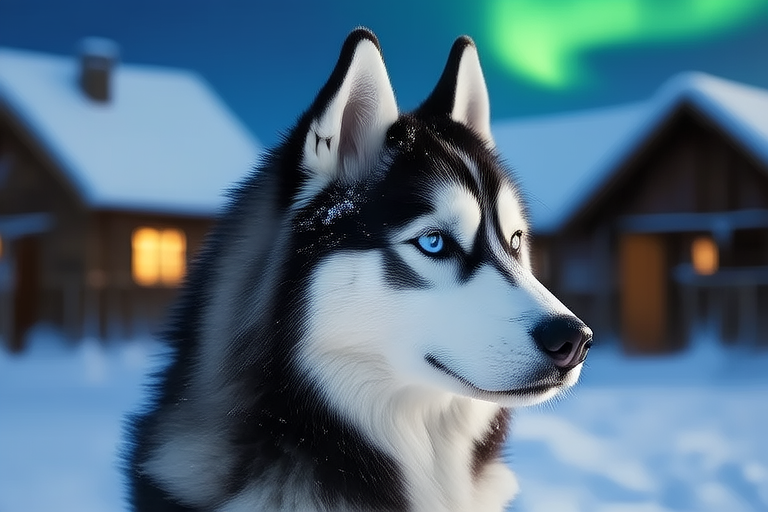
From the Tundra to Your Home: The Majestic Siberian Husky
The Siberian Husky, a breed born from the unforgiving landscapes of Siberia, has captured the hearts of dog lovers worldwide. Originating from the harsh tundra environment, these dogs have developed a unique blend of resilience and adaptability that makes them one of the most fascinating breeds. Their story begins in the icy expanses of Siberia, where they were bred by the Chukchi people for endurance, strength, and companionship.
Origins and Adaptation
The Siberian Husky was first developed by the indigenous Chukchi people of Northeastern Asia, who relied heavily on these dogs for survival. Living in an environment where temperatures could plummet to -60 degrees Fahrenheit, the Chukchi needed a dog that could withstand the brutal conditions. The Siberian Husky’s thick double coat, which includes a dense undercoat and a coarser topcoat, acts as an insulating layer, keeping the dog warm even in the coldest of climates. Additionally, their ears are small and triangular, minimizing heat loss, and their eyes come in a variety of colors, including blue, brown, and mixed, giving them a striking appearance.
Their feet are another marvel of adaptation. Large and webbed, they provide excellent traction on ice and snow, allowing the dogs to move efficiently over long distances without slipping or sinking. This feature is crucial for their historical role as sled dogs, pulling heavy loads across vast, frozen terrains. Despite their ability to thrive in such harsh conditions, Siberian Huskies are also adaptable to warmer climates, though they require careful management to avoid overheating.
Physical Characteristics
Siberian Huskies are medium-sized dogs with a lean yet muscular build. They typically stand between 20 to 23.5 inches tall at the shoulder and weigh between 35 to 60 pounds. Their distinctive facial markings, often referred to as ‘snowshoes,’ are a hallmark of the breed. These include the white blaze on the forehead, white cheeks, and sometimes white paws. The coat color is highly variable, ranging from pure white to black, with many shades in between, often featuring striking patterns and masks.
Their eyes, which can be any color, are almond-shaped and set obliquely. While blue eyes are popular, brown or mixed-color eyes are just as common and equally beautiful. The Siberian Husky’s head is wedge-shaped, with a slightly rounded forehead and a muzzle that is neither too long nor too short. Their tail is plumed and carried over the back when alert, adding to their elegant appearance.
Temperament and Pack Instincts
Siberian Huskies are known for their friendly and outgoing personalities. They are affectionate with their families and generally good with children, making them excellent family pets. However, their pack instincts mean they need a strong leader to guide them. They thrive in environments where they feel part of a group, whether it’s a human family or another dog pack. This social nature means they can sometimes struggle with separation anxiety if left alone for extended periods.
Despite their friendly demeanor, Siberian Huskies can be independent thinkers. This trait, while endearing, requires consistent training and clear boundaries. Early socialization and obedience training are essential to ensure they become well-behaved members of the household. Their intelligence and eagerness to please make them quick learners, but patience and consistency are key during the training process.
A Role in Sled Racing
The Siberian Husky’s history as a sled dog is deeply intertwined with their origin story. In the early 20th century, these dogs were introduced to Alaska and Canada, where they quickly became popular for sledding. Their endurance, speed, and ability to work in extreme weather made them ideal for mushers looking for reliable and fast sled dogs.
The most famous event involving Siberian Huskies is the Iditarod Trail Sled Dog Race, a grueling 1,000-mile race through Alaska’s wilderness. The race commemorates the 1925 serum run to Nome, where a relay of mushers and their dogs delivered life-saving diphtheria antitoxin to the isolated town. Balto, a Siberian Husky, is perhaps the most famous participant in this historic event. Today, the Iditarod continues to highlight the incredible abilities of Siberian Huskies, drawing thousands of spectators each year.
Tips for Potential Owners
While Siberian Huskies can make wonderful companions, they do come with specific care requirements. One of the most important aspects of owning a Siberian Husky is providing adequate exercise. These dogs are incredibly active and need regular opportunities to run and play. A daily walk or jog is essential, and they particularly enjoy activities like hiking, running, and playing fetch. Without sufficient exercise, they may become restless and destructive.
Grooming is another critical aspect of caring for a Siberian Husky. Their double coat sheds heavily twice a year, and regular brushing is necessary to manage the shedding. During these times, daily brushing can help keep loose hair under control. Additionally, their nails should be trimmed regularly to prevent discomfort and injury. Dental hygiene is also important, and owners should aim to brush their dog’s teeth at least twice a week.
Health-wise, Siberian Huskies are generally healthy dogs, but they are prone to certain genetic conditions. Hip dysplasia, a condition affecting the hip joint, is relatively common in large breeds. Regular veterinary check-ups and maintaining a healthy weight can help reduce the risk of this condition. Other potential health issues include eye problems, such as progressive retinal atrophy, and skin allergies. Responsible breeding practices can significantly reduce the incidence of these conditions.
An Excellent Companion
Despite their demanding nature, Siberian Huskies make excellent companions for the right owner. Their loyalty, intelligence, and affectionate nature create strong bonds with their families. They are playful and energetic, bringing joy and excitement to everyday life. Their adaptability allows them to fit into various living situations, from urban apartments to rural homes.
Choosing to bring a Siberian Husky into your home is a commitment that requires time, effort, and understanding. But for those willing to meet the challenge, the rewards are immeasurable. Their unique blend of strength, beauty, and spirit makes them truly one of a kind. As you welcome a Siberian Husky into your life, you’ll find yourself part of a community of dedicated owners who share a deep appreciation for these magnificent animals.
In conclusion, the Siberian Husky is more than just a breed; they are a testament to the power of adaptation and the enduring bond between humans and dogs. From the tundra to your home, the journey of the Siberian Husky is a story of resilience, companionship, and love.
