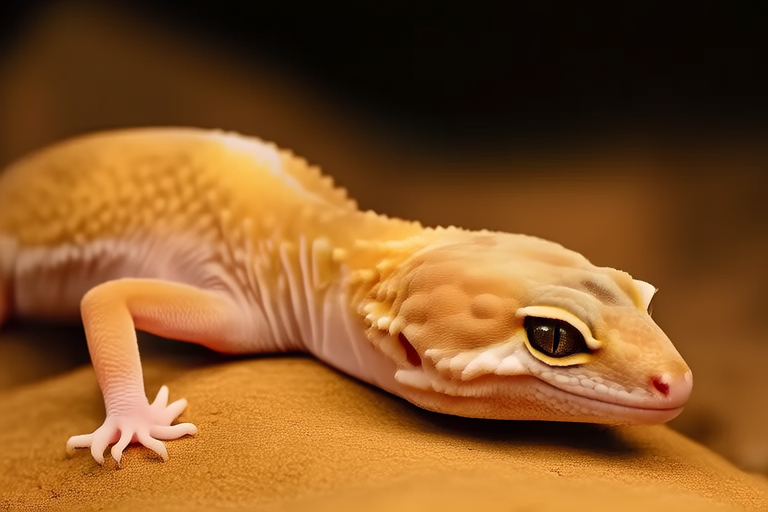
Leopard Gecko Care Guide: Tips from Expert Owners
Welcome to your ultimate guide to caring for leopard geckos! Whether you’re a first-time owner or a seasoned enthusiast, this comprehensive care guide will provide you with valuable insights and expert advice to ensure your gecko thrives. Leopard geckos are fascinating reptiles known for their docile nature and ease of care, making them popular pets among reptile lovers. Let’s dive into the essentials of leopard gecko care.
Habitat Setup: Creating the Perfect Environment
The first step in becoming a responsible leopard gecko owner is setting up the perfect habitat. This involves creating a balanced environment that mimics the gecko’s natural desert habitat while ensuring comfort and safety.
Terrarium Size: A 10-gallon tank is suitable for one adult leopard gecko, but if you plan to house multiple geckos, consider a larger enclosure. For two geckos, a 20-gallon tank is recommended. Ensure there’s enough space for them to move around freely without feeling cramped.
Substrate: Choose a substrate that is safe and easy to clean. Many experts recommend using paper towels or reptile carpet for baby and juvenile geckos due to their tendency to accidentally ingest small particles. For adults, calcium sand or coconut fiber can be used, provided it’s monitored closely to prevent ingestion.
Hiding Spots: Leopard geckos need hiding spots to feel secure. Incorporate at least two hide boxes – one on the warm side and another on the cool side of the terrarium. These hideouts should be snug and dark, providing a sense of security.
Temperature Gradient: Maintaining a temperature gradient within the enclosure is crucial. The warm side should be kept between 88°F and 92°F (31°C to 33°C), while the cool side should range from 75°F to 80°F (24°C to 27°C). Use under-tank heating pads or ceramic heat emitters to achieve these temperatures.
Humidity: Leopard geckos thrive in a dry environment, so maintaining low humidity levels is important. Aim for a humidity level of 30% to 40%. A shallow water dish can help maintain humidity but should be cleaned regularly to prevent bacterial growth.
Diet Requirements: Nourishing Your Gecko
Feeding your leopard gecko a balanced diet is essential for its health and longevity. Leopard geckos are insectivores, meaning they primarily eat insects. Here’s how to ensure your gecko gets all the nutrients it needs.
Primary Food Source: Crickets are the most common food source for leopard geckos. However, variety is key. Supplement their diet with other insects such as dubia roaches, mealworms, and waxworms. Each insect type provides different nutrients, contributing to a well-rounded diet.
Dusting Insects: Before feeding, dust the insects with a calcium supplement (without vitamin D3) for juveniles and a multivitamin powder for adults. This ensures they get the necessary vitamins and minerals.
Feeding Frequency: Feed juveniles daily, reducing the frequency as they mature. Adult geckos typically eat every other day. Adjust the quantity based on the gecko’s size and activity level.
Water: Provide fresh, clean water daily in a shallow dish. While geckos don’t drink much, having water available is important for hydration and maintaining proper humidity levels.
Health Care Basics: Keeping Your Gecko Happy and Healthy
Regular health checks and preventive measures are vital to keeping your leopard gecko in top condition. Early detection of issues can prevent more serious problems down the line.
Regular Vet Visits: Just like any pet, regular veterinary check-ups are important. Reptile-specific veterinarians can perform thorough examinations and address any concerns. Schedule annual check-ups and consult with your vet about vaccinations and parasite control.
Maintenance of Habitat: Clean the enclosure weekly, removing waste and replacing substrate as needed. Regular cleaning helps prevent the buildup of harmful bacteria and parasites. Disinfect the enclosure every few months to ensure a hygienic environment.
Signs of Illness: Familiarize yourself with signs of illness, such as lethargy, loss of appetite, swollen limbs, or difficulty shedding. If you notice any of these symptoms, contact your veterinarian immediately. Quick action can make a significant difference in treating potential health issues.
Handling Tips: Building Trust and Comfort
Proper handling techniques can strengthen the bond between you and your gecko while ensuring their safety and comfort.
Approach Gently: When picking up your gecko, approach slowly and gently. Allow them to become accustomed to your presence before attempting to handle them. Never grab them by the tail, as they may drop it in response to stress.
Support Their Body: Always support your gecko’s body when handling. Hold them securely but gently, allowing them to feel safe and comfortable in your hands. Avoid squeezing or restraining them tightly.
Frequency of Handling: Start with short handling sessions and gradually increase the duration as your gecko becomes more comfortable. Over time, they’ll associate handling with positive experiences, making it easier to interact with them.
Common Myths Debunked: Separating Fact from Fiction
There are several misconceptions surrounding leopard gecko care. Let’s debunk some of the most common myths to set the record straight.
Myth 1: Leopard Geckos Can Survive Without UVB Lighting: While leopard geckos do not require UVB lighting for vitamin D synthesis, it can still be beneficial. Providing a low-level UVB light can help prevent metabolic bone disease and promote overall health.
Myth 2: Leopard Geckos Need a Water Bowl: Leopard geckos are adapted to arid environments and obtain most of their moisture from their food. While a water bowl is optional, it’s advisable to provide one to prevent dehydration, especially during warmer months.
Myth 3: Leopard Geckos Can Eat Any Type of Insect: Not all insects are safe for leopard geckos. Avoid feeding them wild-caught insects, as they may carry parasites or toxins. Stick to commercially bred insects and always dust them with supplements before feeding.
Myth 4: Leopard Geckos Hibernate Indoors: Leopard geckos do not hibernate. They are active year-round, although their activity levels may decrease during cooler periods. Maintain consistent temperatures to keep them healthy and active.
Myth 5: Leopard Geckos Require Special Substrates: While certain substrates are safer than others, there is no one-size-fits-all solution. Choose a substrate that fits your gecko’s age and lifestyle, and monitor it closely to prevent ingestion.
Conclusion: Embracing the Journey of Leopard Gecko Ownership
Caring for a leopard gecko is a rewarding experience filled with joy and discovery. By following the guidelines outlined in this care guide, you’ll be well-equipped to provide your gecko with a happy, healthy life. Remember, each gecko is unique, so pay close attention to their individual needs and preferences. With dedication and love, you’ll build a strong bond with your scaly companion.
