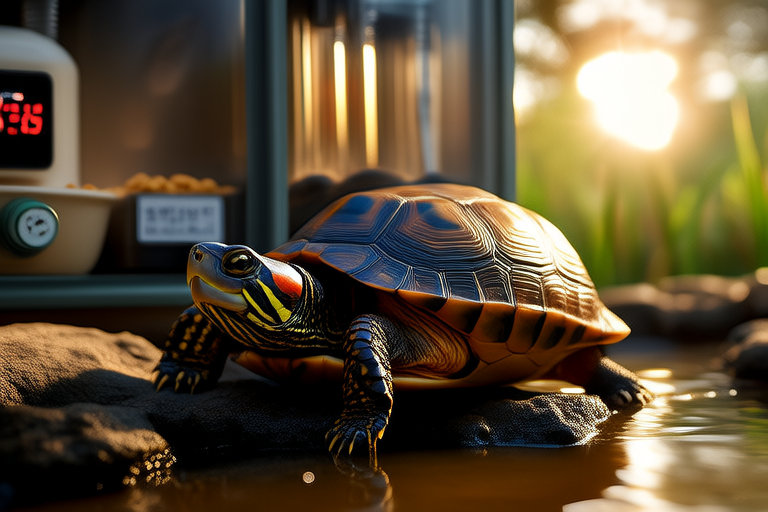
Red-eared Slider Care: Common Mistakes You Didn’t Know You Were Making
Red-eared sliders (Trachemys scripta elegans) are among the most popular pet turtles worldwide. Their vibrant appearance, relatively low maintenance requirements, and the ease of finding them in pet stores have made them a favorite choice for many reptile enthusiasts. However, despite their popularity, these turtles come with specific needs that often go overlooked by owners. Proper care involves more than just providing food and water; it includes setting up the right environment, ensuring adequate nutrition, and addressing health concerns proactively. This guide will help you identify and avoid some common pitfalls in red-eared slider care.
1. Improper Habitat Setup
One of the biggest mistakes new owners make is setting up an inadequate habitat for their red-eared sliders. These turtles require a spacious tank or pond with ample swimming space and basking areas. A rule of thumb is to provide at least 10 gallons of water per inch of shell length for juveniles and about 30 gallons for adults. Insufficient space leads to stress, which can weaken their immune systems, making them susceptible to diseases.
To correct this issue, ensure your turtle’s enclosure mimics its natural aquatic environment. Use a combination of aquatic plants, smooth rocks, and floating platforms to create hiding spots and resting places. The water should be deep enough for swimming but shallow enough for easy access to the basking area. Additionally, maintain clean water through proper filtration systems and regular water changes.
2. Incorrect Diet
Feeding red-eared sliders an imbalanced diet is another frequent error. Many owners feed their turtles exclusively on commercial pellets, which do not provide all necessary nutrients. Over time, this can lead to malnutrition, metabolic bone disease, and other health issues. It’s crucial to offer a varied diet that includes leafy greens, vegetables, fruits, and occasional protein sources like insects or fish.
To improve your turtle’s diet, incorporate a mix of nutrient-rich foods. Offer dark leafy greens such as romaine lettuce, collard greens, and dandelion leaves. Supplement with small amounts of vegetables like carrots, squash, and peas. Occasionally, provide protein sources like boiled chicken or earthworms. Always cut food into appropriate sizes to prevent choking hazards. Avoid feeding iceberg lettuce, spinach, or beans, as they can cause digestive problems.
3. Lack of UVB Lighting
UVB light is essential for calcium absorption and overall health in red-eared sliders. Without sufficient exposure to UVB rays, turtles cannot properly metabolize calcium, leading to soft shells and weakened bones. Many owners neglect to provide adequate lighting, especially if their turtles spend most of their time underwater.
To address this, invest in high-quality UVB bulbs designed specifically for reptiles. Position the light so that it covers the entire basking area, ensuring that your turtle receives optimal exposure. Replace the bulb every six months, even if it still appears functional, as UVB output diminishes over time. Ensure the basking area remains warm, ideally between 85-90°F (29-32°C), to encourage your turtle to bask regularly.
4. Insufficient Water Filtration
Poor water quality due to inadequate filtration is another common oversight. Red-eared sliders produce waste continuously, and without efficient filtration, ammonia levels can rise rapidly, causing health issues. Ammonia poisoning can lead to respiratory problems, skin irritation, and even death.
Choose a filter that matches the size of your tank or pond. For smaller enclosures, under-gravel filters or sponge filters may suffice, while larger setups require more powerful canister or external filters. Regularly clean and maintain the filter to ensure it continues functioning effectively. Perform weekly water changes to keep ammonia levels low and maintain good water quality.
5. Overfeeding
Overfeeding is a prevalent problem among turtle owners. Excessive feeding can result in obesity, digestive issues, and poor water quality. Red-eared sliders should be fed once daily, with portions limited to what they can consume within five minutes. Any uneaten food should be removed immediately to prevent contamination.
To avoid overfeeding, establish a consistent feeding schedule and monitor your turtle’s appetite. Adjust portion sizes based on age and activity level. Juvenile turtles tend to eat more frequently, while adult turtles may need less food. Use a scale to track your turtle’s weight and adjust feeding accordingly. Remember, a healthy red-eared slider should have a visible gap between its plastron and carapace when viewed from above.
6. Handling Issues
Improper handling can cause significant stress to red-eared sliders. Many owners attempt to hold their turtles too frequently or incorrectly, leading to injuries or behavioral changes. Turtles naturally prefer solitude and may become stressed or aggressive when handled excessively.
To handle your turtle safely, always support its body fully, especially around the legs and tail. Avoid lifting by the limbs or shell, as this can cause dislocations or fractures. Limit handling sessions to brief periods and only when necessary, such as during routine health checks. If your turtle shows signs of distress, such as biting or retracting its head, release it gently back into its enclosure.
Maintaining a Healthy Slider
Regular veterinary check-ups are vital for keeping your red-eared slider healthy. Schedule annual visits with a reptile-savvy veterinarian who can perform comprehensive examinations, including blood tests and X-rays if needed. Early detection of potential health issues allows for prompt treatment, improving outcomes.
New owners should thoroughly research red-eared slider care before bringing one home. Understanding their dietary needs, environmental requirements, and behavior patterns helps prevent common mistakes and ensures a long, happy life for your pet. Join local reptile clubs or online forums to connect with experienced owners and gain additional insights.
In conclusion, caring for a red-eared slider requires attention to detail and commitment. By avoiding these common pitfalls and following best practices, you can provide your turtle with a safe, comfortable, and stimulating environment. With proper care, your red-eared slider can thrive and bring joy for years to come.
