Tarantula Care 101: Everything You Need to Know Before Adopting
Welcome to the fascinating world of tarantulas! These incredible creatures have captivated enthusiasts for generations, and it’s easy to see why. With their unique appearance, gentle demeanor, and relatively low maintenance, tarantulas make excellent pets for those who are prepared to provide the right environment and care. However, before you bring one home, it’s crucial to understand what owning a tarantula entails. This guide will walk you through everything you need to know about tarantula care, dispel common myths, and provide practical advice to ensure your new pet thrives.
Understanding Tarantulas: Dispelling Myths and Highlighting Unique Characteristics
Tarantulas are among the largest spiders in the world, and they come in a wide variety of species, each with its own distinct traits. Contrary to popular belief, most tarantulas are not aggressive towards humans. They prefer to avoid confrontation and will only bite as a last resort. Another common misconception is that tarantulas are venomous. While their venom can be harmful to small prey, it is generally harmless to humans, causing little more than a bee sting-like reaction.
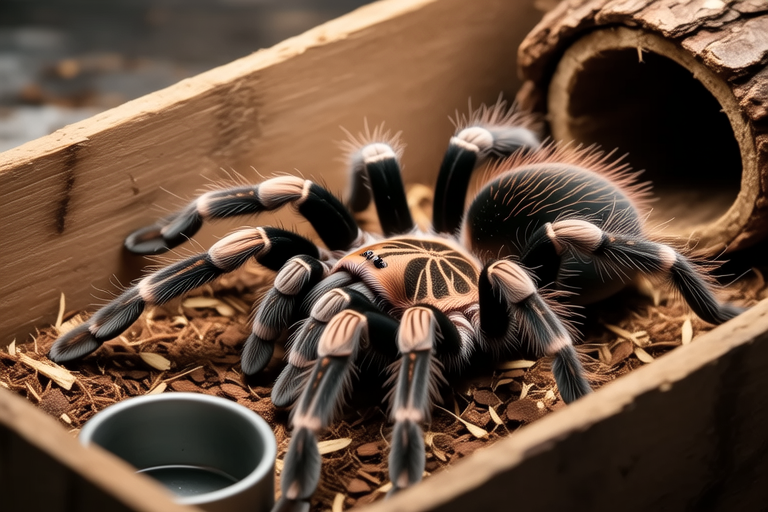
One of the most striking features of tarantulas is their fur. Many species have dense, velvety coats that can range from light brown to dark black. Some even display vibrant colors or patterns. This fur serves multiple purposes, including camouflage, temperature regulation, and protection from predators. Additionally, tarantulas possess impressive hunting skills, using their powerful legs and fangs to catch prey.
Essential Considerations for Potential Owners
The Commitment Required
Owning a tarantula requires a significant time and emotional investment. Unlike dogs or cats, tarantulas do not require daily walks or playtime. However, they still need regular attention to ensure their habitat remains clean and comfortable. It’s important to understand that tarantulas can live for many years, often exceeding 15 years in captivity. Therefore, adopting a tarantula is a long-term commitment.
Suitable Environments
Creating the perfect environment for your tarantula is crucial for its well-being. Tarantulas thrive in warm, humid conditions, so their enclosures must be carefully designed to mimic their natural habitats. A typical setup includes a glass or plastic tank with a secure lid, allowing for ventilation while preventing escapes. The tank should be spacious enough to allow your tarantula to move freely and comfortably.
Substrate, or bedding material, is another essential component. Many owners opt for coconut fiber, peat moss, or a mixture of both, as these materials retain moisture well and provide a naturalistic appearance. The substrate should be kept moist but not waterlogged, and it should be deep enough for your tarantula to burrow if it desires.
Necessary Equipment
- Heating Elements: Most tarantulas require a temperature range between 75°F and 85°F (24°C to 29°C). Heat mats or under-tank heaters are effective tools for maintaining this warmth.
- Hiding Spots: Tarantulas appreciate having places to hide, whether it’s a cave or a piece of cork bark. This helps them feel secure and reduces stress.
- Humidity Levels: Maintaining appropriate humidity levels is vital for your tarantula’s health. A hygrometer can help monitor humidity, which should be kept between 60% and 80%.
Feeding Your Tarantula
Proper nutrition is key to keeping your tarantula healthy and active. In the wild, tarantulas feed on insects such as crickets, mealworms, and other small arthropods. As a pet owner, you can replicate this diet by offering a variety of feeder insects. It’s important to ensure that the prey items are appropriately sized; a good rule of thumb is that the prey should not exceed half the width of the tarantula’s body.
Before feeding, it’s advisable to “dust” the insects with calcium powder and multivitamins to provide essential nutrients. Feed your tarantula once every 1-2 weeks, depending on its size and appetite. Always remove any uneaten prey after 24 hours to prevent contamination.
Handling Your Tarantula
While tarantulas can be handled, it’s important to do so carefully and infrequently. Over-handling can cause stress, leading to molting issues or even death. If you choose to handle your tarantula, gently scoop it up with your hand, being careful not to squeeze or pinch. Avoid holding your tarantula too high off the ground, as falls can be fatal.
Some tarantulas are more tolerant of handling than others, so it’s essential to learn your individual tarantula’s preferences. If your tarantula exhibits defensive behaviors, such as rearing up or flicking urticating hairs, it’s best to give it some space.
Maintaining Health and Wellbeing
Signs of Illness
Like any pet, tarantulas can fall ill. Common signs of distress include lethargy, refusal to eat, and unusual behavior. One of the most concerning signs is a tarantula failing to molt properly. Molting is a natural process where a tarantula sheds its exoskeleton to grow. If a tarantula becomes stuck during this process, it may need immediate veterinary assistance.
Veterinary Care
It’s important to find a veterinarian experienced in exotic animals, particularly those specializing in arachnids. Regular check-ups are not typically necessary for healthy tarantulas, but it’s wise to establish a relationship with a vet before any health issues arise. In case of injury or illness, prompt medical attention can be critical to your tarantula’s recovery.
Sourcing Healthy Tarantulas
When considering adopting a tarantula, it’s crucial to source your pet from a reputable breeder or rescue organization. Reputable breeders prioritize the health and welfare of their animals, ensuring they are raised in optimal conditions. Rescue organizations offer another valuable option, providing homes for unwanted or abandoned tarantulas.
Before making a purchase, take the time to research different sources. Look for reviews and ask questions about the breeding practices and living conditions of the tarantulas. A healthy tarantula should be active, alert, and free from visible injuries or deformities. Additionally, a reputable seller will be knowledgeable about the specific needs of the species they offer, helping you make an informed decision.
Conclusion
Owning a tarantula can be a rewarding experience, offering a unique opportunity to connect with these fascinating creatures. By understanding their needs and committing to their care, you can provide a safe and comfortable home for your new pet. Remember, adopting a tarantula is a serious responsibility, and thorough research is essential to ensure both you and your tarantula are prepared for this exciting journey together.
