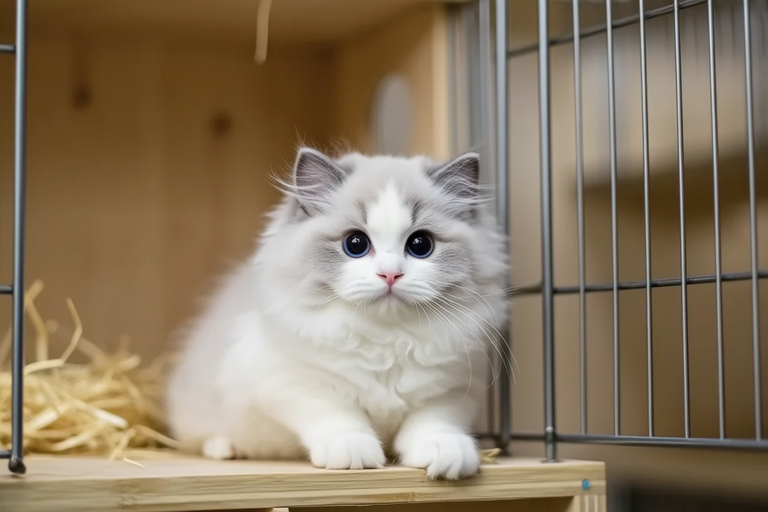
Chinchilla Care: Tips for a Happy and Healthy Pet
Welcome to the world of chinchillas! These adorable, fluffy rodents have captured the hearts of many pet owners with their unique appearance and charming personalities. Native to the Andes Mountains in South America, chinchillas are known for their luxurious fur, which inspired their domestication centuries ago. Today, they make wonderful pets for those who are willing to invest time and effort into understanding and meeting their specific needs. This guide will provide you with all the information you need to ensure your chinchilla leads a happy and healthy life.
An Introduction to Chinchillas
Chinchillas are small mammals belonging to the family Chinchillidae. They are distant relatives of guinea pigs and are named after the Chincha people of the Andes, who were known for wearing garments made from their fur. Chinchillas are nocturnal animals, meaning they are most active during the night. In the wild, they live in colonies high in the mountains, where they burrow in rocky crevices and cliffs for shelter. Their thick fur serves as insulation against the cold mountain climate, and their large ears help them detect predators.
Diet Requirements
Feeding your chinchilla a balanced diet is crucial for its overall health. The primary component of their diet should be hay, which helps maintain good digestive health and wear down their continuously growing teeth. Timothy hay is recommended for adult chinchillas, while younger chinchillas can benefit from alfalfa hay due to its higher calcium content. Fresh vegetables and fruits should be offered in moderation, as too much sugar can lead to obesity and dental problems. Pellets formulated specifically for chinchillas should also be part of their diet, providing essential nutrients.
Suitable Housing
Creating a safe and comfortable living environment is vital for your chinchilla’s well-being. A spacious cage with multiple levels is ideal, allowing your pet to explore and climb. The cage should be lined with a dust bath substrate rather than wood shavings or bedding, as this helps keep their fur clean and prevents skin irritations. Ensure that the cage is escape-proof and provides adequate ventilation. Additionally, include chew toys and hiding spots to stimulate your chinchilla’s natural behaviors.
Temperature Control
Chinchillas have sensitive respiratory systems, making it important to maintain a cool environment. Temperatures above 80°F (27°C) can be dangerous and potentially fatal. Optimal temperatures range between 60°F and 70°F (15°C to 21°C). Use air conditioning or fans to regulate the temperature, especially during warmer months. Avoid placing the cage in direct sunlight or near heat sources.
Grooming Needs
Chinchillas require regular grooming to maintain their luxurious coats. Unlike other animals, they cannot get wet and must rely on dust baths to clean themselves. Provide a shallow container filled with commercial chinchilla dust at least three times a week for about 15 minutes each session. Monitor your chinchilla closely during these sessions to prevent over-bathing, which can lead to skin issues. Additionally, check their nails periodically and trim them if necessary to avoid discomfort and potential injury.
Exercise Essentials
Physical activity is essential for your chinchilla’s mental and physical health. Allow supervised playtime outside the cage daily to encourage movement and exploration. Exercise wheels designed specifically for chinchillas can be added to their living space, but ensure they are safe and do not cause injuries. Rotate toys and provide new stimuli to keep your chinchilla engaged and mentally stimulated.
Common Health Issues
Despite proper care, chinchillas may still face certain health challenges. Dental problems are common due to their constantly growing teeth, so regular veterinary check-ups are advised. Respiratory infections can occur if the environment is too warm or humid, emphasizing the importance of temperature control. Other potential issues include digestive disorders, skin conditions, and heart disease. Early detection and treatment are key to managing these conditions effectively.
Tips on Handling, Socialization, and Enrichment Activities
Handling your chinchilla gently and frequently can help build trust and strengthen your bond. Always support their body when picking them up to avoid dropping or injuring them. Socializing your chinchilla early on can make them more comfortable around humans and reduce stress. Introduce new people gradually and allow your chinchilla to approach them at its own pace. Enrichment activities such as puzzle feeders, tunnels, and interactive toys can keep your chinchilla mentally stimulated and prevent boredom.
Advice on Choosing a Chinchilla
When selecting a chinchilla, consider reputable breeders or shelters that prioritize the health and welfare of their animals. Look for signs of good health, such as clear eyes, clean fur, and alert behavior. Avoid purchasing chinchillas from pet stores or online sellers unless you can verify their origin and care practices. Research local veterinarians specializing in exotic animals before bringing your new pet home to ensure they have access to proper medical care.
Resources for New Owners
Becoming a responsible chinchilla owner involves continuous learning and adaptation. Join online forums and social media groups dedicated to chinchillas to connect with other enthusiasts and share experiences. Attend workshops or seminars hosted by experts in chinchilla care to gain valuable insights. Consult books and articles written by experienced chinchilla owners and veterinarians for practical advice and troubleshooting tips.
In conclusion, owning a chinchilla can be an incredibly rewarding experience if done correctly. By following these guidelines and staying informed, you’ll be well-equipped to provide your furry friend with a loving home filled with joy and companionship. Remember that every chinchilla is unique, so take the time to understand and cater to your pet’s individual needs. With patience, dedication, and love, you and your chinchilla will enjoy many years together.
