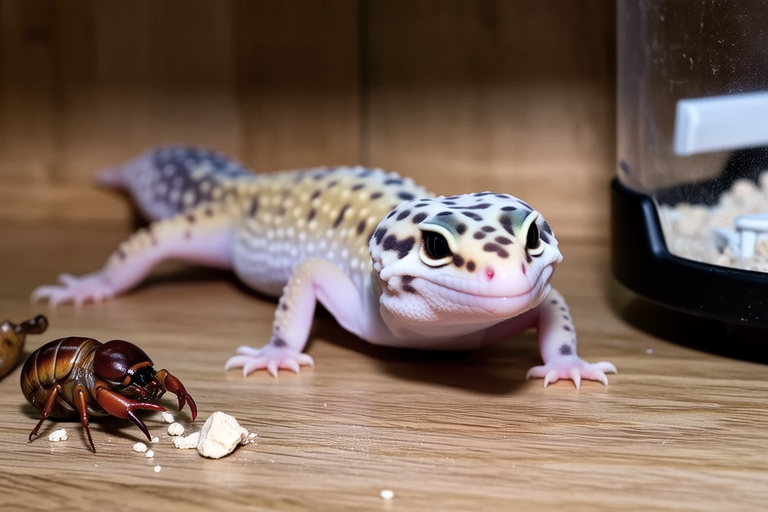
Unlocking the Secret Diet of Leopard Geckos
Leopard geckos, popular pets among reptile enthusiasts, have specific dietary requirements that ensure their health and longevity. Understanding the nutritional needs, dietary habits, and proper feeding techniques can make all the difference in keeping these charming creatures thriving. This comprehensive guide will delve into the natural diet of leopard geckos, essential nutrients, appropriate commercial foods, live prey options, hydration methods, and common feeding mistakes to avoid.
The Natural Diet of Leopard Geckos
In the wild, Eublepharis macularius primarily feeds on insects. Their diet consists mainly of crickets, mealworms, waxworms, and occasional spiders. Leopard geckos are nocturnal, which means they hunt at night, and their diet is rich in protein, calcium, and other vital nutrients necessary for survival. Captive leopard geckos should be fed a similar diet to mimic their natural environment and nutritional needs.
Nutritional Needs
To thrive, leopard geckos require a balanced diet rich in proteins, calcium, and vitamins. Protein is crucial for growth and muscle development, while calcium is essential for bone strength. Vitamin D3 helps with calcium absorption, and vitamin A is necessary for vision and immune function. A deficiency in any of these nutrients can lead to health issues such as metabolic bone disease (MBD) and other deficiencies.
Essential Nutrients
- Protein: Supports muscle growth and repair.
- Calcium: Ensures strong bones and prevents MBD.
- Vitamin D3: Facilitates calcium absorption.
- Vitamin A: Maintains good eyesight and immune system.
- B Vitamins: Support metabolism and energy production.
- Omega-3 Fatty Acids: Promote healthy skin and coat.
Appropriate Commercial Foods
Commercially available diets can provide a convenient alternative or supplement to live prey. High-quality commercial foods include dust-free cricket gut-load diets, mealworms, and specialized leopard gecko diets. These products are formulated to meet the nutritional requirements of leopard geckos. It’s important to choose brands that prioritize quality and nutrition over cost.
Live Prey Options
Live prey is a staple in a leopard gecko’s diet and includes:
- Crickets: The most commonly fed insect, rich in protein and easy to digest.
- Mealworms: Provide additional nutrients but should be offered sparingly due to their high-fat content.
- Waxworms: Tasty treats but also high in fat, so they should be used as occasional snacks.
- Superworms: Larger than mealworms, providing more protein per serving.
- Roaches: Offer a complete nutritional profile and are less likely to bite back.
It’s important to gut-load insects before feeding them to your gecko. Gut-loading involves feeding insects a nutritious diet for 24 hours prior to feeding to enhance their nutritional value.
Dusting and Supplementation
While some commercial foods may already be supplemented, it’s essential to dust live prey with calcium and vitamin supplements. Dusting involves sprinkling a fine layer of powdered supplements onto the insects before feeding. Calcium powder should be used daily, while multivitamins should be used less frequently to avoid toxicity.
Hydration MethodsLeopard geckos obtain most of their water from their food. However, it’s still important to provide a shallow dish of clean water daily. Ensure the dish is not too deep to prevent drowning, especially for younger geckos. Mist the enclosure occasionally to increase humidity levels, which aids in shedding and overall health.
Feeding Tips
- Feed adult geckos every other day, while juveniles may need to be fed daily.
- Offer only as many insects as the gecko can consume in 15 minutes to prevent overfeeding.
- Remove uneaten insects after feeding to prevent stress or injury to the gecko.
- Maintain a consistent feeding schedule to establish a routine.
Common Feeding Mistakes to Avoid
- Overfeeding: Can lead to obesity and related health issues.
- Underfeeding: Results in malnutrition and stunted growth.
- Incorrect supplementation: Can cause nutrient imbalances or toxicity.
- Poor hygiene: Dirty dishes and unclean prey can lead to bacterial infections.
- Ignoring hydration: Lack of water can cause dehydration and health problems.
Conclusion
Providing a well-balanced and nutritious diet is crucial for the health and happiness of your leopard gecko. By understanding their natural diet, nutritional needs, and proper feeding techniques, you can ensure your pet lives a long and healthy life. Always research and consult with veterinarians or experienced reptile keepers to tailor a feeding plan that suits your gecko’s individual needs. With dedication and care, you can unlock the secret to your leopard gecko’s perfect diet.
