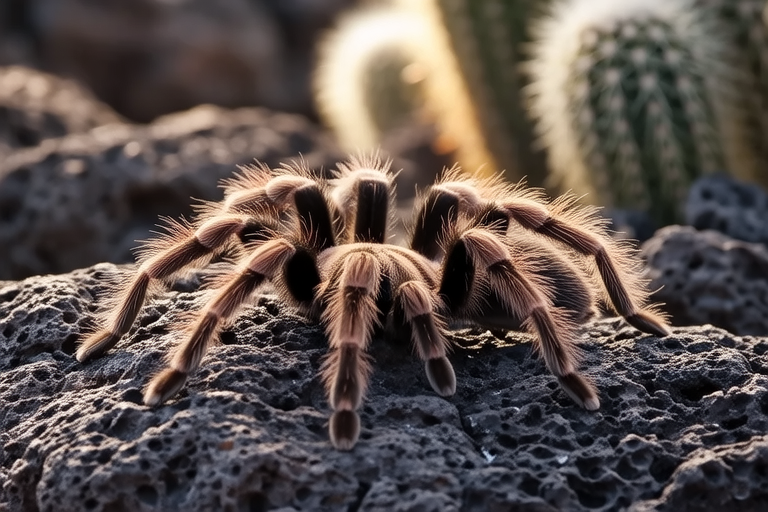
Top 10 Fascinating Facts That Will Make You Fall in Love With Tarantulas
Tarantulas often evoke fear and revulsion in many people due to their size, appearance, and reputation as deadly spiders. However, these large arachnids are misunderstood creatures that play a crucial role in our ecosystems. Contrary to popular belief, tarantulas are not aggressive towards humans and their venom is generally less harmful than a bee sting. They are also incredibly diverse, with over 900 known species found across various habitats worldwide. This article will explore ten fascinating facts about tarantulas that will make you fall in love with these magnificent creatures.
1. Diverse Species
One of the most intriguing aspects of tarantulas is their remarkable diversity. These spiders belong to the family Theraphosidae and can be found on every continent except Antarctica. Each species has its unique characteristics, from the colorful iridescent hairs of the Costa Rican Zebra tarantula to the striking black and white pattern of the Mexican Redknee tarantula. The Goliath Birdeater, native to South America, is one of the largest spiders in the world, with a leg span of up to 30 centimeters. Their diversity showcases the adaptability of these creatures to different environments, from deserts to rainforests.
2. Adaptations for Survival
Tarantulas have evolved numerous adaptations that help them thrive in their respective habitats. Many species possess urticating hairs on their abdomen, which they flick off at predators. These tiny barbed hairs can cause irritation and discomfort, providing a potent defense mechanism. Additionally, some tarantulas have developed camouflage techniques, blending seamlessly into their surroundings to avoid detection by both prey and predators. Their strong, powerful legs allow them to dig intricate burrows, providing shelter and protection from harsh weather conditions.
3. Unusual Behaviors
Despite their fearsome appearance, tarantulas exhibit several endearing behaviors. Some species engage in elaborate courtship dances, where males perform intricate movements to attract females. Others, like the Pinktoe tarantula, are known for their agility and speed, making them adept hunters. Tarantulas are primarily nocturnal, spending their days resting in their burrows or hiding under rocks and logs. At night, they emerge to hunt insects, small vertebrates, and even other spiders, showcasing their opportunistic feeding habits.
4. Myths Debunked
Many myths surround tarantulas, perpetuating their negative image. One common misconception is that all tarantulas are dangerous to humans. In reality, most species pose little threat to people. Their venom is generally mild, and their bites are rarely life-threatening. Another myth is that tarantulas spin webs to catch prey. While some tarantulas do weave silken retreats in their burrows, they primarily rely on ambush tactics or actively pursue their food. Understanding these truths helps demystify tarantulas and highlights their complexity.
5. Benefits to Ecosystems
Tarantulas play a vital role in maintaining ecological balance. As apex predators in many ecosystems, they control populations of insects and other small creatures, preventing overpopulation and subsequent environmental damage. By regulating insect numbers, tarantulas contribute to the health of their habitats, ensuring biodiversity. Their burrowing activities also aerate soil, promoting plant growth and nutrient cycling. Furthermore, tarantulas serve as a food source for various animals, including birds, reptiles, and mammals, further illustrating their importance within the food chain.
6. Unique Hunting Techniques
Tarantulas employ a variety of hunting strategies, depending on their species and environment. Some tarantulas wait patiently in their burrows, ambushing unsuspecting prey as it ventures nearby. Others actively patrol their territory, using their keen senses to detect movement and vibrations. Once a target is identified, the tarantula uses its powerful fangs to inject venom, immobilizing the prey. Afterward, the spider liquefies the victim’s internal organs with digestive enzymes, allowing it to consume the meal through its mouthparts. This method ensures efficient digestion and energy conservation.
7. Longevity and Growth
Tarantulas are among the longest-lived spiders, with some species living up to 30 years. Males typically have shorter lifespans, averaging around 5 years, while females can live much longer. Their lifespan is influenced by factors such as diet, habitat quality, and predation pressure. Tarantulas grow throughout their lives, molting their exoskeleton periodically to accommodate their increasing size. During this process, they shed not only their outer layer but also regrow lost limbs, a testament to their resilience and adaptability.
8. Sensory Abilities
Despite their lack of eyesight, tarantulas possess acute sensory capabilities that aid in navigation and hunting. Most species have eight simple eyes arranged in two rows, though their vision is limited. Instead, tarantulas rely heavily on their sense of touch, using specialized hairs on their legs to detect vibrations and air currents. These sensory adaptations enable them to locate prey, avoid danger, and communicate with potential mates. The sensitivity of their tactile organs underscores the sophistication of tarantulas’ sensory systems.
9. Parental Care
Contrary to popular belief, some tarantulas exhibit surprisingly advanced parental care. Female tarantulas lay eggs in silk cocoons and guard them diligently until the offspring hatch. After hatching, the young tarantulas remain with their mother for several weeks, during which she provides protection and guidance. This level of maternal care is rare among invertebrates and demonstrates the complexity of tarantula behavior. It also highlights the importance of preserving these creatures and their habitats to ensure the continuation of their unique life cycles.
10. Conservation Status
Unfortunately, many tarantula species face threats due to habitat destruction, climate change, and illegal pet trade. Several species are listed as vulnerable or endangered, emphasizing the need for conservation efforts. Protecting tarantulas involves safeguarding their natural habitats, raising awareness about their ecological importance, and implementing sustainable practices. By supporting conservation initiatives and respecting wildlife, we can help preserve these fascinating creatures for future generations.
Conclusion
Tarantulas are complex, adaptable, and essential components of our ecosystems. From their diverse species to their unique adaptations and behaviors, these spiders offer a wealth of fascination and wonder. By dispelling myths and understanding their true nature, we can appreciate tarantulas for the incredible creatures they are. We encourage you to learn more about these amazing arachnids and join us in respecting and protecting wildlife. Together, we can ensure the survival of tarantulas and the countless benefits they bring to our planet.
