Leopard Gecko Care Made Easy: A Beginner’s Guide to Raising These Unique Pets
Welcome to the wonderful world of leopard geckos! Leopard geckos (Eublepharis macularius) are one of the most popular reptile pets due to their docile nature, ease of care, and vibrant colors. They are fascinating creatures with unique characteristics that make them captivating pets for both beginners and experienced reptile enthusiasts. This guide will walk you through everything you need to know about caring for your new pet, from setting up their habitat to recognizing signs of a healthy gecko.
Setting Up the Habitat
The first step in raising a leopard gecko is creating a suitable habitat. Leopard geckos require a tank that provides enough space for them to move around comfortably. For a single adult gecko, a 10-gallon tank is sufficient, but a 20-gallon tank is ideal if you plan to house multiple geckos or want more room for accessories.
Inside the tank, you’ll need to provide a substrate (floor covering), hides, and decorations. The substrate should be safe and easy to clean. Many owners prefer reptile carpet or paper towels, which are non-toxic and simple to maintain. Avoid substrates like sand or small gravel, as these can cause impaction if ingested by the gecko.
Hides are essential for providing your gecko with a sense of security. Place at least two hides in the tank—one on the warm side and another on the cool side. You can use commercially available hide boxes or create your own using items like plastic containers with holes cut out for entry and exit.
Leopard geckos also enjoy climbing and exploring, so adding branches, rocks, or other decor can enrich their environment. Just ensure that any additions are secure and won’t tip over, causing injury to your gecko.
Temperature and Humidity Levels
Maintaining the right temperature and humidity levels is crucial for your gecko’s health. Leopard geckos are ectothermic, meaning they rely on external sources to regulate their body temperature. A temperature gradient within the tank allows your gecko to thermoregulate effectively.
The warm side of the tank should be kept between 88°F and 90°F (31°C to 32°C). You can achieve this by placing an under-tank heater (UTH) or a heat lamp on one side of the enclosure. The cool side should remain around 75°F to 80°F (24°C to 27°C). Use a thermometer to monitor the temperature accurately.
Humidity should be kept low, around 30% to 40%. High humidity can lead to respiratory infections and skin issues. To maintain proper humidity, avoid misting the tank and instead use a water dish large enough for your gecko to soak in if needed.
Suitable Diet and Feeding Schedules
Leopard geckos are insectivores, meaning their diet consists primarily of insects. Crickets are the most commonly fed prey item, but you can also offer mealworms, dubia roaches, and waxworms. It’s important to gut-load the insects before feeding them to your gecko. Gut-loading involves feeding the insects a nutritious diet rich in vitamins and minerals, which they then pass on to your gecko.
In addition to gut-loading, dust the insects with a calcium supplement twice a week and a multivitamin once a week. This ensures your gecko receives all necessary nutrients for optimal health.
Determine the appropriate number of insects based on your gecko’s size. A good rule of thumb is to feed an amount equal to the space between the gecko’s eyes. Offer food every other day for adults and daily for juveniles, who have higher metabolic rates.
Handling Tips
Leopard geckos are generally docile and tolerate handling well, but it’s essential to handle them gently and respectfully. Always support your gecko’s entire body when holding them to prevent injuries. Start with short handling sessions, gradually increasing the duration as your gecko becomes more comfortable with you.
Avoid handling your gecko immediately after feeding, as this can cause regurgitation. Also, refrain from handling them during shedding periods, as they may be sensitive and prone to stress.
Common Health Issues and Signs of a Healthy Gecko
Like any pet, leopard geckos can experience health issues. Some common problems include metabolic bone disease (MBD), caused by a lack of calcium or vitamin D3; impaction, often due to ingestion of inappropriate substrate; and respiratory infections resulting from high humidity or poor ventilation.
To ensure your gecko remains healthy, look for the following signs:
- Vibrant coloration: A healthy gecko should have bright, clear colors.
- Active behavior: Your gecko should move around the tank and exhibit normal activity levels.
- Healthy appetite: A consistent interest in food is a good indicator of health.
- Clear eyes and nose: Watery or crusty eyes or discharge from the nose could indicate illness.
- Smooth skin: Dry, flaky, or patchy skin may suggest dehydration or other issues.
If you notice any concerning symptoms, consult a veterinarian specializing in reptiles for diagnosis and treatment.
The Unique Characteristics of Leopard Geckos
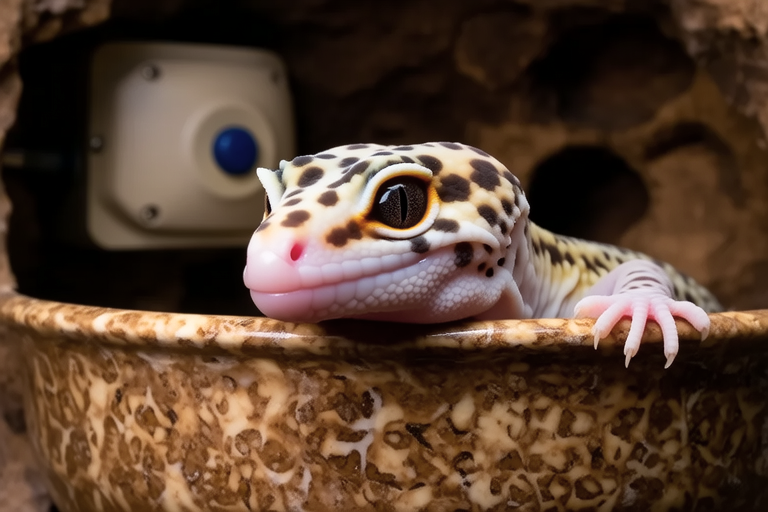
One of the most striking features of leopard geckos is their vibrant coloration, ranging from bright yellows and oranges to deep blacks and whites. Their skin is covered in tiny spots resembling those of a leopard, giving them their name. Leopard geckos also have eyelids, unlike many other lizard species, which makes them easier to care for as they don’t require regular soaking to keep their eyes clean.
Another unique characteristic is their ability to drop their tails when threatened. This defense mechanism allows them to escape predators by distracting attention. However, the tail does not regenerate perfectly, and the new growth may appear smaller or differently colored than the original.
Leopard geckos are nocturnal, meaning they are most active during the night. They spend their days hiding and resting, emerging at dusk to hunt for food. This behavior makes them relatively quiet and undemanding pets, perfect for those who prefer low-maintenance companions.
Conclusion
Raising a leopard gecko can be a rewarding and enjoyable experience. By providing a well-designed habitat, maintaining appropriate temperature and humidity levels, offering a balanced diet, and handling your gecko gently, you can ensure your pet leads a long, healthy life. Remember to observe your gecko regularly for signs of health and seek professional help if you suspect any issues.
With their unique characteristics and charming personalities, leopard geckos make wonderful pets for those looking for a low-maintenance, fascinating companion. Happy gecko keeping!
