5 Secrets to Keeping Your Koi Healthy and Happy
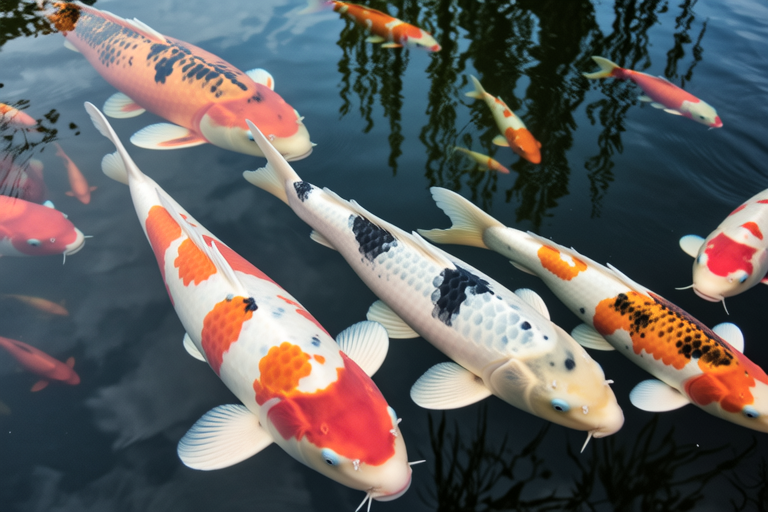
Welcome to the world of koi keeping! These beautiful and vibrant fish can bring joy and tranquility to any pond or aquarium. However, to ensure that your koi remain healthy and happy, it’s important to understand the secrets behind their care. In this article, we’ll explore five essential tips that will help you maintain the health and happiness of your koi. From optimal water quality maintenance to regular health checks, these secrets will guide you through the best practices for koi ownership.
Secret 1: Optimal Water Quality Maintenance
Water quality is the cornerstone of koi health. Poor water conditions can lead to stress, disease, and even death. Therefore, it’s crucial to maintain a clean and well-balanced aquatic environment for your koi.
Regular Filtration: A high-quality filtration system is vital for removing debris, excess food, and harmful chemicals from the water. Consider investing in a multi-stage filter that includes mechanical, biological, and chemical filtration. Mechanical filters trap large particles, biological filters support beneficial bacteria that break down toxic ammonia and nitrite, and chemical filters absorb dissolved organic compounds.
Adequate Oxygenation: Koi require ample oxygen to thrive. Ensure that your pond or aquarium is equipped with a robust aeration system. Surface agitation, either through waterfalls, fountains, or air stones, helps to introduce oxygen into the water and expel carbon dioxide. Additionally, consider installing a supplemental oxygen source during hot weather or when the water is stagnant.
Proper pH Levels: Maintaining the right pH level is crucial for koi health. The ideal pH range for koi is between 7.2 and 8.5. Regularly test the water using a reliable pH kit and make adjustments as necessary. If the pH is too low, adding a buffer like sodium bicarbonate can raise it. Conversely, if the pH is too high, a pH decreaser may be used. Be cautious and follow the instructions carefully to avoid sudden changes that could shock your koi.
Frequent Water Changes: Regular water changes help dilute toxins and replenish essential minerals. Aim to change about 10% of the water weekly, more frequently during warmer months when evaporation increases and the fish are more active. Always treat tap water with a dechlorinator before adding it to the pond or aquarium to neutralize harmful chlorine and chloramines.
Secret 2: Suitable Diet Recommendations
Feeding your koi a balanced and nutritious diet is key to their overall health and vitality. A well-fed koi is less likely to fall ill and will exhibit vibrant colors and robust growth.
Variety is Key: Koi are omnivorous and benefit from a varied diet. Provide them with a mix of commercial pellets, flakes, and live or frozen foods. High-quality commercial koi pellets offer a balanced blend of proteins, fats, carbohydrates, vitamins, and minerals. Supplement their diet with treats such as brine shrimp, bloodworms, and mosquito larvae. Avoid overfeeding; feed only what they can consume within a few minutes to prevent waste buildup.
Seasonal Adjustments: Koi metabolism slows down during colder months, so reduce feeding frequency and quantity accordingly. In winter, when water temperatures drop below 10°C (50°F), stop feeding altogether to prevent digestive issues. Resume feeding gradually as temperatures rise in spring.
Quality Over Quantity: Always choose premium-grade koi food. Lower quality feeds may contain fillers that lack essential nutrients. Invest in reputable brands known for their commitment to koi nutrition. Read labels carefully and look for products with high protein levels and minimal artificial ingredients.
Secret 3: Ideal Living Environment Setup
The physical environment in which your koi reside plays a significant role in their well-being. Creating an ideal habitat involves careful planning and attention to detail.
Suitable Pond Size: Koi grow rapidly and can reach sizes of up to 3 feet long. Ensure that your pond provides ample space for them to swim freely. As a general rule, allow at least 20 gallons of water per inch of fish. This allows for adequate swimming room and prevents overcrowding, which can lead to stress and disease.
Proper Lighting: Natural sunlight is beneficial for koi, promoting healthy coloration and aiding in photosynthesis within the pond. However, excessive direct sunlight can heat the water excessively and encourage algae growth. Install floating plants or provide partial shade to balance light exposure and maintain stable water temperatures.
Shelter and Hiding Spots: Koi feel safest when they have places to hide. Incorporate rocks, caves, and aquatic plants into your pond design. These structures provide refuge from predators and reduce stress, especially during feeding times. Floating plants also offer cover and help to oxygenate the water.
Substrate Choice: While some pond owners prefer gravel or sand substrates, they can harbor harmful bacteria and make cleaning more challenging. A smooth, non-porous substrate like river pebbles is easier to maintain and reduces the risk of injury to your koi.
Secret 4: Effective Disease Prevention Strategies
Prevention is always better than cure when it comes to koi health. By implementing proactive measures, you can minimize the risk of diseases and ensure a thriving pond ecosystem.
Quarantine New Fish: Before introducing new koi to your pond, quarantine them for at least two weeks in a separate tank. This allows you to monitor their health closely and prevent the introduction of parasites or pathogens. During quarantine, observe the fish for any signs of illness and treat accordingly before allowing them to join the main population.
Regular Inspections: Regularly inspect your koi for any signs of distress or disease. Look for abnormal behavior, such as lethargy, loss of appetite, or rapid breathing. Check for physical symptoms like lesions, discoloration, or unusual growths. Early detection can significantly improve treatment outcomes.
Sanitation Practices: Maintain cleanliness throughout the pond environment. Clean filters regularly and remove debris from the bottom of the pond to prevent the buildup of harmful substances. Disinfect nets, tools, and other equipment used in the pond to avoid cross-contamination. Wash your hands thoroughly before handling the fish to prevent the spread of germs.
Probiotic Treatments: Probiotics are beneficial microorganisms that promote gut health and enhance the immune system. Adding probiotics to your koi’s diet can boost their resistance to disease. Look for probiotic supplements specifically formulated for koi and follow the recommended dosage guidelines.
Secret 5: The Importance of Regular Health Checks
Just like any other pet, koi require routine health checks to ensure they are in optimal condition. Regular monitoring allows you to catch potential issues early and take prompt action.
Visual Examinations: Conduct visual examinations of your koi at least once a week. Observe their behavior, appearance, and overall condition. Check for any signs of injury, infection, or abnormality. Pay special attention to the eyes, fins, and gills, as these areas are often the first to show signs of trouble.
Blood Testing: Blood tests can provide valuable insights into the internal health of your koi. A veterinarian specializing in exotic pets can perform these tests and analyze the results to identify any underlying issues. Blood tests are particularly useful for diagnosing nutritional deficiencies or metabolic disorders.
Water Chemistry Analysis: Regular water chemistry analysis is essential for maintaining a healthy pond environment. Test for parameters such as ammonia, nitrite, nitrate, pH, hardness, and alkalinity. Any imbalances in these factors can indicate problems with the filtration system or other environmental factors. Address any issues promptly to prevent adverse effects on your koi.
Professional Consultation: If you notice any concerning symptoms or suspect a health issue, consult a professional. Aquatic veterinarians or experienced koi keepers can offer expert advice and guidance. They can perform thorough examinations, recommend appropriate treatments, and provide ongoing support to ensure the well-being of your koi.
Conclusion
By following these five secrets, you can create a thriving and joyful environment for your koi. Optimal water quality maintenance, suitable diet recommendations, ideal living environment setup, effective disease prevention strategies, and regular health checks are all integral components of successful koi keeping. With dedication and attention to detail, you’ll be rewarded with vibrant, healthy koi that bring beauty and serenity to your pond or aquarium. Remember, the key to happy koi is a harmonious balance between their physical and emotional needs. Enjoy the journey of caring for these magnificent creatures!
