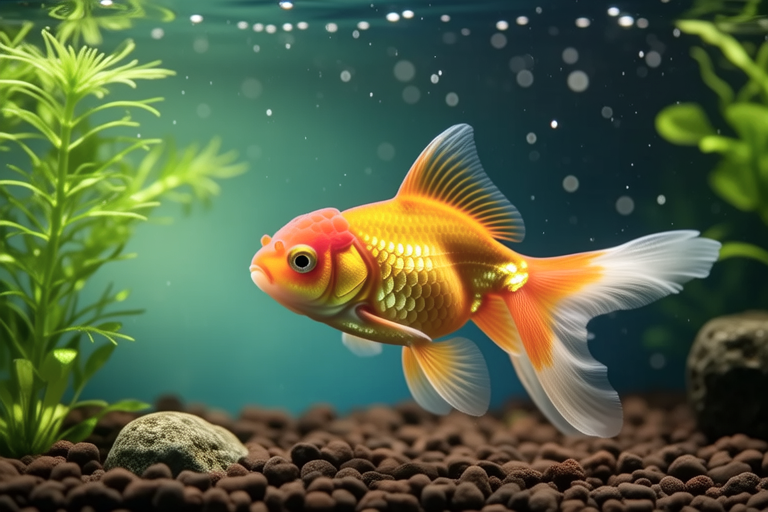
The Ultimate Guide: How to Decorate a Tank for Happy Goldfish!
Welcome to the comprehensive guide that will help you create the perfect aquatic home for your goldfish! This guide will walk you through every step of setting up a tank that ensures the health and happiness of your beloved pets. From choosing the right tank size to maintaining water quality, we’ll cover it all. Let’s dive in!
Selecting the Appropriate Tank Size
One of the most critical aspects of setting up a goldfish tank is choosing the right size. Goldfish are active swimmers and grow quite large, so they need ample space to thrive.
- Minimum Tank Size: For a single goldfish, aim for at least a 20-gallon tank. For each additional goldfish, add another 10 gallons to the tank size.
- Shape: Opt for a long, rectangular tank over a tall, narrow one, as this provides more swimming space.
Filtration Systems
Adequate filtration is crucial for maintaining clean water and ensuring your goldfish’s well-being.
- Types of Filters: Choose from internal, external, or canister filters. Each has its advantages, but external filters are generally recommended for goldfish due to their high waste production.
- Filter Capacity: Ensure the filter can process at least four times the volume of water in your tank per hour.
- Biological Filtration: Encourage beneficial bacteria growth by including bio-media in your filter.
Water Quality Maintenance
Regular monitoring and maintenance of water quality are essential for your goldfish’s health.
- Ammonia and Nitrite Levels: Test weekly for ammonia and nitrite levels, which should be zero. High levels indicate poor filtration or overstocking.
- Nitrate Levels: Keep nitrates below 40 ppm. Perform partial water changes if levels exceed this threshold.
- pH Levels: Maintain a pH between 6.8 and 7.8. Use pH buffers if necessary, but avoid drastic adjustments.
Temperature Control
Goldfish are cold-water fish, but they still require stable temperatures to remain healthy.
- Optimal Temperature: Aim for a temperature range of 68°F to 74°F (20°C to 23°C).
- Heating Devices: Use a reliable aquarium heater with a thermostat to maintain consistent temperatures.
- Thermometers: Place a thermometer in the tank to monitor temperature changes accurately.
Substrate Choices
The substrate you choose can affect water quality and aesthetics.
- Gravel: Small, smooth gravel is easy to clean and provides a natural look.
- Sand: Fine sand is less likely to trap debris and can create a soft, natural bottom.
- Decorative Stones: Large, smooth stones can enhance the tank’s appearance while providing hiding spots.
Plant Options: Real vs Artificial
Adding plants to your tank can provide hiding spots and improve water quality.
- Real Plants: Choose hardy species like Java fern, Anubias, or Amazon sword. They oxygenate the water and absorb harmful substances.
- Artificial Plants: Offer a wide variety of shapes and colors. Ensure they are non-toxic and easy to clean.
- Hybrid Approach: Combine real and artificial plants for a balanced aesthetic and functional environment.
Decorations: Hiding Spots, Ornaments
Providing hiding spots and interesting ornaments can enrich your goldfish’s environment.
- Hiding Spots: Incorporate caves, castles, or driftwood to offer shelter and reduce stress.
- Ornaments: Select ornaments that are safe and non-toxic. Avoid sharp edges or small parts that could harm your fish.
- Bioactive Decor: Consider adding live rocks or wood that can house beneficial bacteria.
Lighting Requirements
Proper lighting not only enhances the beauty of your tank but also supports the health of your plants.
- Duration: Provide 8 to 12 hours of light daily. Use a timer to ensure consistency.
- Intensity: Avoid overly bright lights, as they can cause stress. LED lights are often the best choice.
- Full Spectrum Lighting: Choose full-spectrum bulbs that mimic natural sunlight for optimal plant growth.
Regular Maintenance Tips
Maintaining your tank regularly ensures a healthy environment for your goldfish.
- Water Changes: Perform 10-20% water changes weekly to remove accumulated toxins.
- Cleaning: Clean the tank glass, filter, and decorations regularly to prevent the buildup of algae and debris.
- Feeding: Feed your goldfish small amounts of food two to three times daily. Overfeeding can lead to poor water quality.
- Monitoring: Regularly check for signs of illness or stress in your goldfish, such as unusual behavior or physical symptoms.
By following these steps, you’ll create a thriving environment where your goldfish can flourish. Remember, the key to happy goldfish is a balanced and well-maintained tank. Enjoy watching your aquatic companions thrive in their new home!
