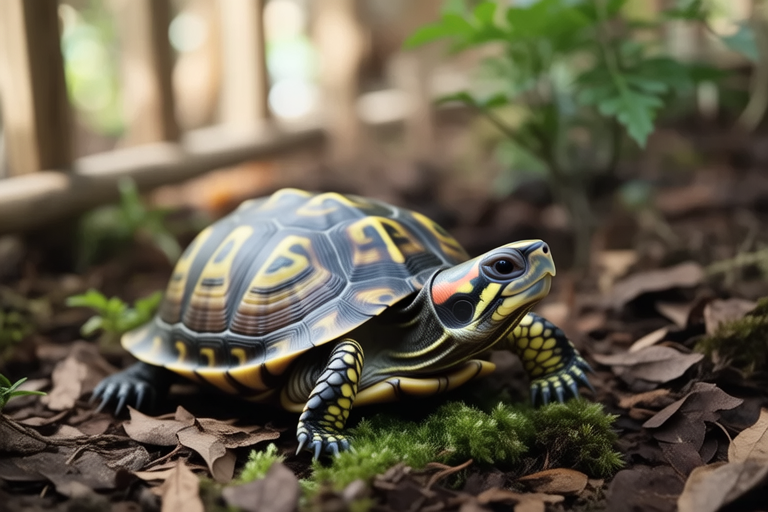
Creating the Ideal Habitat for Three-Striped Box Turtles
The three-striped box turtle (cuora trifasciata) is a fascinating reptile native to parts of Southeast Asia, particularly Vietnam, Laos, and China. These turtles are known for their attractive appearance and relatively docile nature, making them popular pets among reptile enthusiasts. However, providing the right habitat is crucial to ensure their health and longevity. This comprehensive guide will walk you through the essential elements needed to create an ideal living space for your three-striped box turtle.
Suitable Enclosure Size
The first step in setting up your turtle’s home is choosing an appropriately sized enclosure. For one adult turtle, a minimum floor area of 4 feet by 2 feet is recommended. If you plan to house multiple turtles, increase the dimensions proportionally. Ensure that the enclosure is tall enough to accommodate a vertical climbing structure or a stack of rocks, as these turtles enjoy climbing.
Appropriate Substrate Options
The substrate, or bedding material, is an important factor in creating a comfortable and safe environment for your turtle. Suitable substrates include coconut fiber, cypress mulch, or a mix of topsoil and sand. Avoid using gravel, sand, or small pebbles, as they can cause impaction if ingested. Additionally, steer clear of cedar or pine shavings, which may release harmful oils.
Necessary Temperature and Humidity Levels
Maintaining the correct temperature and humidity levels is vital for the turtle’s overall health. The enclosure should have a temperature gradient, with one end being warmer than the other. The warm side should range between 85°F and 90°F (29°C to 32°C), while the cooler side should be around 75°F to 80°F (24°C to 27°C). Use a reliable thermometer to monitor these temperatures accurately.
Humidity levels should be kept between 60% and 80%. A humid hide, which is a moistened area within the enclosure, can help maintain the desired humidity level. Misting the enclosure daily or using a humidifier can also assist in keeping the environment moist.
Lighting Requirements
Proper lighting is essential for the turtle’s health, particularly for calcium metabolism and vitamin D synthesis. Provide UVB lighting for 10 to 12 hours per day. Ensure that the light source is positioned correctly, with the turtle able to bask directly under it for at least half of its active period. Replace the UVB bulbs every six months to ensure optimal functionality.
Hiding Spots and Basking Areas
Incorporating hiding spots and basking areas into the enclosure is crucial for the turtle’s mental and physical well-being. Hiding spots can be created using caves, hollow logs, or overturned plant pots. These provide a sense of security and allow the turtle to retreat when feeling threatened or needing privacy.
A basking area should be placed on the warm side of the enclosure. This can be achieved using a flat rock or a specially designed turtle basking platform. Ensure that the basking area is large enough for the turtle to fully extend itself and that it remains dry.
Dietary Considerations
Feeding your three-striped box turtle a balanced diet is key to its health. Their diet should consist of a variety of fresh vegetables, fruits, and protein sources. Offer leafy greens like kale, collard greens, and dandelion leaves, along with occasional fruits such as strawberries, blueberries, and melons. Protein sources can include insects, such as crickets and mealworms, as well as lean meats like chicken or turkey.
Vitamin and mineral supplements are often necessary to prevent deficiencies. Calcium and vitamin D3 powders can be sprinkled over food to support bone health and proper shell development. It’s essential to consult with a veterinarian experienced in reptile care to determine the correct dosage for your turtle.
Tips for Maintaining a Clean and Healthy Environment
Keeping the enclosure clean is vital for preventing illness and promoting good health. Spot-clean the enclosure daily, removing any uneaten food or waste. Perform a thorough cleaning of the entire enclosure once a week, using a reptile-safe disinfectant. Rinse the enclosure thoroughly after cleaning and allow it to dry completely before reintroducing the turtle.
Regularly check the water dish for cleanliness and replace the water daily. Ensure that the water level is appropriate for the turtle’s size, allowing it to soak comfortably without risk of drowning.
Mimicking Natural Habitat
It’s crucial to mimic the natural habitat of the three-striped box turtle as closely as possible. In their natural environment, these turtles live in moist, forested areas with plenty of vegetation and hiding spots. By replicating these conditions, you can provide a stimulating and healthy environment for your pet. Incorporate live plants, such as pothos or spider plants, into the enclosure to create a more natural setting. These plants also help to improve air quality and add visual interest.
Practical Advice for Beginners and Seasoned Owners Alike
For beginners, it’s essential to invest time in researching and understanding the specific needs of three-striped box turtles. Joining local reptile groups or online forums can provide valuable insights and support. Seasoned owners should regularly review their husbandry practices and stay updated on the latest research and best practices in reptile care.
No matter your experience level, always prioritize the turtle’s well-being. Regular veterinary check-ups, especially with a reptile specialist, can help catch potential health issues early. Pay attention to any changes in behavior, appetite, or physical condition, as these could indicate underlying problems.
Conclusion
Creating the ideal habitat for your three-striped box turtle requires careful consideration of various factors, including enclosure size, substrate, temperature, humidity, lighting, diet, and cleanliness. By mimicking their natural habitat and providing a stimulating and safe environment, you can ensure the long-term health and happiness of your pet. With dedication and attention to detail, you’ll be rewarded with a thriving and vibrant companion.
