Meet the Gentle Giant of Spiders: A Deep Dive into Chilean Rose Tarantulas
Welcome to the fascinating world of tarantulas, where one species stands out for its gentle demeanor and striking appearance – the Chilean rose tarantula (Grammostola rosea). This article will explore the unique characteristics of this spider, from its size and appearance to its behavior in the wild. We’ll also address common misconceptions about tarantulas and provide valuable insights into caring for them as pets.
The Unique Characteristics of Chilean Rose Tarantulas
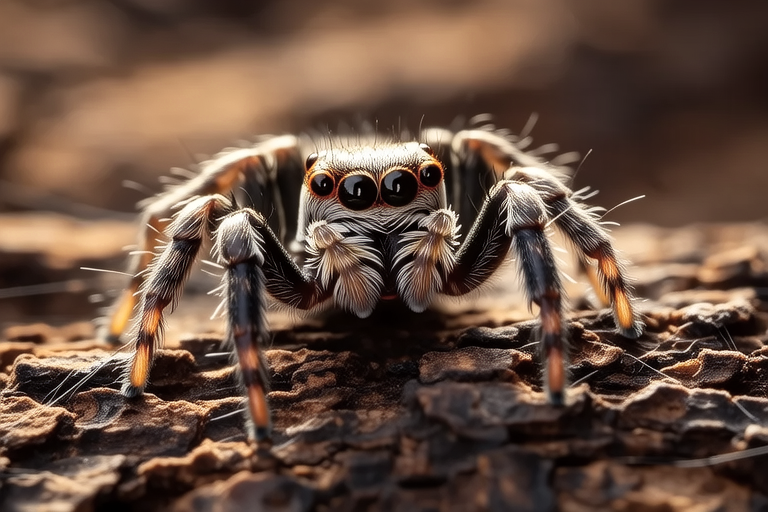
The Chilean rose tarantula is known for its gentle nature, making it a popular choice among arachnid enthusiasts. These spiders typically grow to be around 4-6 inches in leg span, with females often being larger than males. Their bodies are covered in short, fine hairs that give them a velvety appearance. The coloration of these tarantulas can range from light brown to deep red, with hints of pink or purple, hence the name ‘rose.’
One of the most notable features of the Chilean rose tarantula is its urticating hairs. These specialized hairs can be flicked off the abdomen when threatened, serving as a defense mechanism. However, contrary to popular belief, these hairs are not venomous but rather an irritant that can cause discomfort if they come into contact with skin or eyes.
Habitat and Behavior in the Wild
Native to the deserts and scrublands of Chile, Argentina, and Bolivia, the Chilean rose tarantula thrives in arid environments. They prefer burrowing in sandy soil, creating intricate underground tunnels that serve as both homes and traps for unsuspecting prey. In the wild, these spiders are primarily nocturnal, emerging at night to hunt for insects, small vertebrates, and even other spiders.
Despite their intimidating size, Chilean rose tarantulas are generally non-aggressive and prefer to avoid confrontation. When threatened, they rely on their camouflage abilities and burrowing skills to escape danger. This docile nature makes them ideal candidates for captivity, where they can be observed up close without fear of aggression.
Common Misconceptions About Tarantulas
Many people harbor fears and misconceptions about tarantulas due to their large size and perceived danger. One of the most prevalent myths is that all tarantulas are aggressive and venomous. While it’s true that some species can deliver painful bites, the Chilean rose tarantula is far from aggressive. In fact, they are one of the least aggressive tarantulas available in the pet trade.
Another misconception is that tarantulas are dangerous to humans. While their bite can cause localized pain and swelling, similar to a bee sting, it is rarely life-threatening. The real danger comes from their urticating hairs, which can cause irritation if they come into contact with sensitive areas of the body. Proper handling techniques and precautions can prevent any potential issues.
Caring for Chilean Rose Tarantulas as Pets
If you’re considering adopting a Chilean rose tarantula as a pet, there are several important factors to keep in mind. First and foremost, ensure that you have a suitable enclosure that mimics their natural habitat. A terrarium with a secure lid is essential to prevent escapes, while a substrate of sand or soil allows your tarantula to burrow comfortably. Providing hiding spots such as cork bark or half logs can also help reduce stress.
Feeding your tarantula is relatively straightforward. They require live insects like crickets, mealworms, and dubia roaches. It’s important to gut-load these insects with nutritious foods before offering them to your tarantula. Feeding once every week to ten days is usually sufficient, depending on the age and size of your spider. Always remove uneaten prey after a few hours to maintain hygiene in the enclosure.
Handling your Chilean rose tarantula requires patience and care. These spiders are not accustomed to being held and may feel stressed during interactions. When handling is necessary, gently scoop your tarantula from its enclosure using a foam cup or plastic container. Support the spider’s entire body, avoiding any sudden movements that could startle it. Regular, gentle handling sessions can help acclimate your tarantula to human interaction over time.
The Importance of Respecting These Creatures
Respecting tarantulas and dispelling fears surrounding spiders is crucial for fostering a better understanding of these incredible animals. By learning about their unique characteristics, habitats, and behaviors, we can appreciate the vital role they play in ecosystems worldwide. Tarantulas are apex predators in many environments, helping to control insect populations and maintaining ecological balance.
Moreover, responsible ownership of tarantulas as pets contributes to their conservation efforts. By supporting ethical breeders and ensuring proper care, we can help preserve these gentle giants for future generations. Let us embrace our fascination with these creatures and work together to promote awareness and respect for all spiders.
