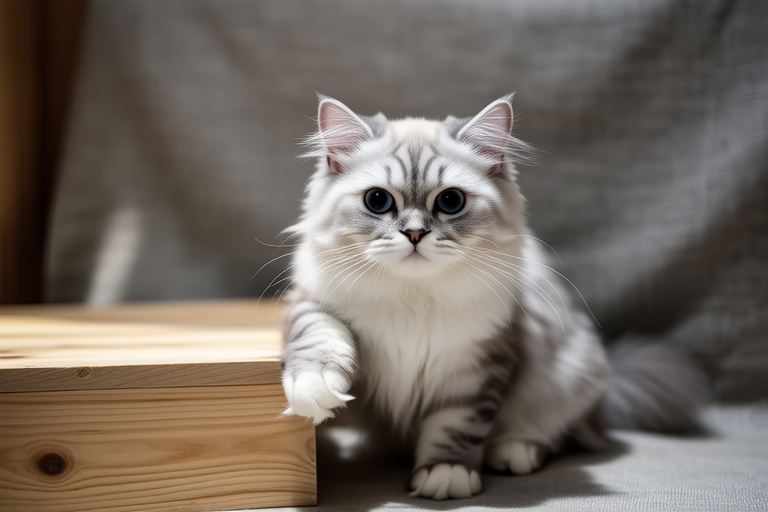
Top 5 Myths About Chinchillas Debunked Once and For All
Chinchillas are one of the most unique and fascinating pets you can have. Originating from the Andes Mountains in South America, these small mammals are known for their dense, soft fur and quirky personalities. They are social animals that thrive in pairs or small groups, making them ideal companions for those who are willing to provide the care they need. Despite their popularity, there are several myths surrounding chinchillas that can deter potential owners or mislead current ones. In this article, we will debunk five of the most common myths about chinchillas, providing you with accurate information to help you make informed decisions about owning one.
Myth 1: Chinchillas Are Easy to Take Care Of
One of the most pervasive myths about chinchillas is that they are easy pets to care for. While it’s true that chinchillas are generally quiet and low-maintenance compared to other pets like dogs or cats, they do require specific care that not all pet owners are prepared for. The myth arises because people might assume that because chinchillas are small, they are also simple to manage. However, chinchillas have very particular dietary needs, require dust baths daily, and need spacious enclosures to prevent stress and health issues.
Debunking: Chinchillas have a delicate digestive system that requires a diet high in fiber and low in sugar. Their diet should consist primarily of hay, supplemented with pellets formulated specifically for chinchillas. It’s important to avoid feeding them treats high in sugar, which can lead to dental problems and obesity. Additionally, chinchillas need daily dust baths to keep their fur clean and healthy. These baths must be done in a confined space and only last for 10-15 minutes to prevent respiratory issues. Finally, chinchillas need a large cage with plenty of room to move around, exercise wheels, and toys to prevent boredom and stress.
Myth 2: Chinchillas Don’t Need Much Space
The second myth is that chinchillas don’t need much space to thrive. This misconception stems from the fact that chinchillas are small creatures, leading some to believe that a small cage would suffice. However, chinchillas are highly active animals that require ample space to move, play, and explore.
Debunking: A typical chinchilla cage should be at least 4 square feet per chinchilla, with a height of at least 24 inches. This size allows chinchillas to climb, jump, and engage in natural behaviors that promote physical and mental well-being. Providing a large cage also helps prevent behavioral issues such as chewing on bars or other destructive behaviors. Remember, the more space you provide, the happier and healthier your chinchilla will be.
Myth 3: Chinchillas Are Nocturnal Creatures
Another common myth is that chinchillas are nocturnal, meaning they are active during the night and sleep during the day. While it’s true that chinchillas are crepuscular, which means they are most active during twilight hours (dawn and dusk), they are not strictly nocturnal. This distinction is important for understanding how to best interact with your chinchilla and meet their needs.
Debunking: Chinchillas are most active during dawn and dusk, but they can adapt to their owner’s schedule if provided with a consistent routine. It’s crucial to establish a regular feeding and activity time so that your chinchilla knows when to expect attention and when to rest. This can help create a bond between you and your pet while ensuring they get the rest they need.
Myth 4: Chinchillas Can Be Handled Freely
The myth that chinchillas can be handled freely is dangerous and can lead to injury for both the chinchilla and the handler. Chinchillas have delicate bones and are prone to fractures, especially in their spines and limbs. This fragility is often misunderstood, leading to improper handling techniques.
Debunking: Chinchillas should be handled gently and rarely lifted by their bodies. Instead, they should be supported under their hindquarters and allowed to walk onto your hand or arm. It’s also essential to avoid sudden movements or loud noises that can startle them. If your chinchilla becomes agitated, it’s best to let them calm down on their own rather than forcing interaction. Proper handling techniques can prevent injuries and foster a trusting relationship between you and your chinchilla.
Myth 5: Chinchillas Are Social Creatures That Thrive Alone
The final myth is that chinchillas are social creatures that thrive alone. While chinchillas are indeed social animals that live in colonies in the wild, many people mistakenly believe that a single chinchilla can be just as happy living alone. This belief can lead to loneliness and stress for the animal.
Debunking: Chinchillas are highly social animals that benefit greatly from the company of another chinchilla. Keeping two chinchillas together can provide companionship, reduce stress, and encourage natural behaviors. However, it’s important to introduce new chinchillas slowly and carefully to ensure compatibility. Chinchillas can be territorial, and a bad introduction can lead to fighting. If you plan to keep multiple chinchillas, it’s crucial to provide enough space and resources to minimize conflicts.
Responsible Chinchilla Ownership
Owning a chinchilla is a rewarding experience, but it comes with significant responsibilities. To ensure your chinchilla lives a long, healthy life, it’s important to understand and meet their specific care needs. Here are some key points to consider:
- Diet: Provide a balanced diet of hay, chinchilla-specific pellets, and limited treats. Avoid foods high in sugar or fat.
- Hydration: Always provide fresh water, as dehydration can quickly become a serious issue for chinchillas.
- Housing: Ensure your chinchilla has a large, secure enclosure with plenty of room to move around. Include climbing structures, exercise wheels, and toys.
- Grooming: Provide daily dust baths to keep their fur clean and healthy. Monitor bath time closely to prevent over-bathing.
- Health: Regularly check your chinchilla for signs of illness or distress. Schedule annual veterinary visits to ensure they are in good health.
- Socialization: Spend time interacting with your chinchilla daily. Handle them gently and respect their boundaries.
By understanding and addressing these needs, you can provide a loving home for your chinchilla and enjoy the unique bond that comes with owning one of these charming creatures.
