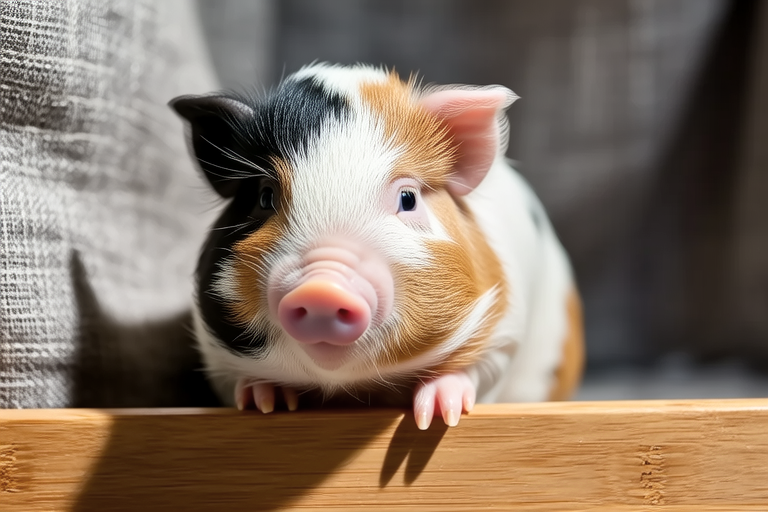
Adorable and Full of Personality: The Ultimate Guide to Guinea Pig Care
Guinea pigs have captured the hearts of many pet lovers around the world with their charming personalities and adorable appearances. These small, gentle creatures are popular pets for families and individuals alike, known for their friendly nature and unique vocalizations. Their playful antics and loveable quirks make them delightful companions. Whether you’re a first-time owner or an experienced guinea pig caretaker, this guide will provide essential information on how to ensure your guinea pig leads a happy, healthy life.
Dietary Needs
A well-balanced diet is crucial for keeping your guinea pig healthy and active. The cornerstone of their diet is hay, which aids in digestion and helps wear down their continuously growing teeth. Timothy hay is often recommended for adult guinea pigs, while younger ones may benefit from alfalfa hay, rich in calcium. Fresh vegetables and fruits should be offered daily in moderation; favorites include carrots, broccoli, and apples. Pellets specifically formulated for guinea pigs should also be provided, ensuring they receive the necessary nutrients. Avoid giving them excessive amounts of sugary treats to prevent obesity.
Housing Requirements
Creating a comfortable living space is vital for your guinea pig’s wellbeing. A spacious cage allows them to move around freely, exercise, and play. Opt for a cage that measures at least 7.5 square feet for one guinea pig, increasing the size if you plan to house multiple pets together. Proper bedding, like paper-based bedding or recycled newspaper products, absorbs moisture and odors effectively. Place the cage in a quiet area away from drafts but still within earshot of family activities. Ensure there are no gaps in the cage floor that could cause injury or escape.
Exercise Needs
Like all animals, guinea pigs require regular physical activity to maintain good health. In addition to having ample room in their cage, they enjoy supervised time outside their enclosure where they can explore and run about safely. This not only keeps them physically fit but also stimulates their minds, reducing boredom-related behaviors. Providing tunnels, chew toys, and other enrichment items encourages natural behaviors and mental stimulation.
Grooming Essentials
Regular grooming helps keep your guinea pig looking its best and ensures they remain healthy. Trim nails regularly to prevent overgrowth and discomfort. Use a pair of small animal nail clippers and trim just the tip of each nail to avoid cutting the quick, which can cause bleeding. Check their teeth frequently for signs of overgrowth or misalignment. If you notice any issues, consult a veterinarian immediately. Bathing is generally unnecessary unless your guinea pig gets particularly dirty; use warm water and mild shampoo designed for small animals, then thoroughly rinse and dry them afterward.
Health Care
Regular check-ups with a qualified veterinarian familiar with exotic pets are important to catch potential health problems early. Common ailments include respiratory infections, dental disease, and digestive disorders. Recognizing symptoms such as sneezing, lethargy, loss of appetite, or changes in bathroom habits can help you seek prompt medical attention. Vaccinations are typically not required for guinea pigs, but routine fecal exams and deworming treatments are recommended by your vet.
Social Interaction
Guinea pigs are highly social animals who thrive when kept in pairs or small groups. They form strong bonds with each other and can become depressed or stressed when isolated. Introducing new guinea pigs gradually under supervision ensures compatibility. Once introduced successfully, they will often cuddle together, groom each other, and share food, creating a supportive environment that enhances their overall quality of life.
Selecting Your Guinea Pig
Choosing the right guinea pig involves considering factors like breed characteristics, temperament, and age. Some breeds, like the Peruvian, have long flowing coats requiring more frequent grooming, whereas others, like the Abyssinian, have shorter fur that requires less maintenance. Look for signs of good health during selection, including clear eyes, clean ears, and alert behavior. Purchasing from reputable breeders or rescue organizations increases the likelihood of finding a healthy companion.
Integrating Into Your Home
Bringing a new guinea pig into your home requires patience and preparation. Set up their living space before bringing them home so they feel secure upon arrival. Allow them time to adjust to their surroundings, introducing new foods gradually to avoid digestive upset. Spend quality time interacting with your new friend daily, fostering trust and affection. Remember, owning a pet is a significant commitment that includes financial responsibility, emotional investment, and lifelong dedication.
In conclusion, providing proper care for your guinea pig involves meeting their dietary, housing, exercise, grooming, healthcare, and social needs while selecting the right companion and integrating them smoothly into your household. By following these guidelines, you’ll ensure your guinea pig enjoys a fulfilling life filled with joy and companionship.
