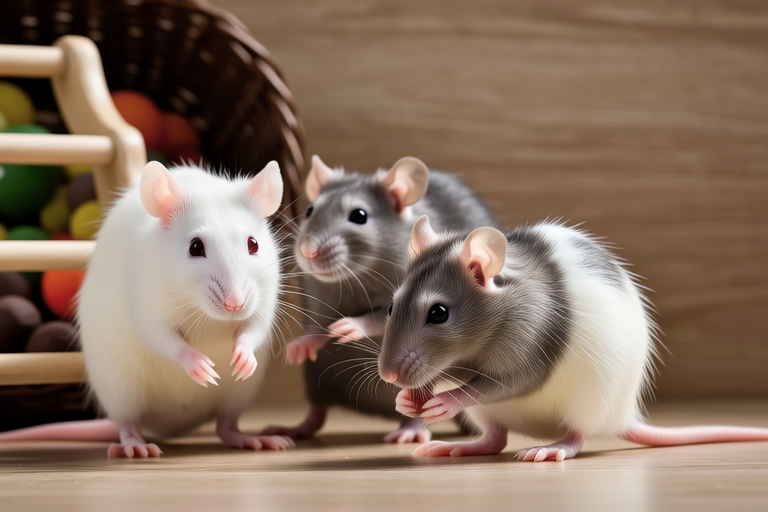
Why Are Fancy Rats So Underestimated as Pets?
Fancy rats, also known as domesticated rats, are often overlooked when it comes to choosing a pet. Despite their reputation, these small mammals are incredibly intelligent, social, and clean animals that can form strong bonds with their human companions. In this article, we will explore why fancy rats are so underestimated as pets, debunk common misconceptions, and highlight their many positive qualities.
Debunking Common Misconceptions About Fancy Rats
One of the most common misconceptions about fancy rats is that they are dirty and smelly. This couldn’t be further from the truth. Rats are naturally clean animals that spend a significant portion of their day grooming themselves. They are meticulous about maintaining their hygiene and even engage in mutual grooming with other rats. Additionally, their cages require regular cleaning, but this is a simple task that can be done quickly and easily.
Another misconception is that rats are carriers of diseases. While it’s true that wild rats can carry diseases, domesticated rats, which are bred specifically for companionship, are no more likely to carry diseases than any other pet. Proper hygiene and care can prevent any health issues.
The Intelligence of Fancy Rats
Fancy rats are highly intelligent creatures capable of learning tricks and solving problems. They are curious and enjoy exploring their environment, which makes them ideal candidates for training. Many owners have taught their rats to fetch, roll over, and even perform tricks on command. Their intelligence also allows them to recognize and respond to their owners’ voices and gestures.
Rats are also capable of forming complex social structures and relationships. They can distinguish between different individuals and respond differently to familiar and unfamiliar humans. This social intelligence makes them excellent companions for people who enjoy interacting with their pets.
The Social Nature of Fancy Rats
Rats are highly social animals that thrive in the company of others. They are happiest when living in pairs or groups, where they can engage in social activities such as playing, grooming, and sleeping together. This social nature extends to their interactions with humans as well. Rats can become very attached to their owners and enjoy spending time with them.
Owners often report that their rats seek out attention and affection, enjoying being petted, held, and played with. They can also be trained to come when called and to sit on their owner’s shoulders or lap. This level of interaction makes rats excellent companions for people who want a pet that enjoys spending time with them.
Cleanliness and Ease of Care
Fancy rats are relatively easy to care for compared to larger pets like dogs or cats. They require a moderate amount of space, a proper diet, and regular exercise. A typical cage setup includes bedding, toys, and a wheel for exercise. Rats are omnivores, so their diet consists of a mix of pellets, fresh fruits, vegetables, and occasional treats.
Maintaining a clean living environment is essential for the health and happiness of your rat. Regular cleaning of the cage and providing fresh bedding helps keep the environment clean and comfortable. Rats are generally quiet and don’t require much attention, making them ideal pets for people with busy lifestyles.
Interactive Behaviors and Training Capabilities
Fancy rats are known for their interactive behaviors and playful personalities. They enjoy playing with toys and exploring new environments. Owners can engage their rats in various activities, such as hide-and-seek games or obstacle courses. These activities not only provide mental stimulation but also strengthen the bond between the rat and its owner.
Training rats is another way to enhance the relationship between the pet and its owner. With patience and consistency, rats can learn to respond to commands and perform tricks. Positive reinforcement techniques, such as offering treats or praise, work well for training rats. Training sessions can be short but frequent, allowing both the owner and the rat to enjoy the experience.
Emotional Bonds Between Rats and Owners
Rats are capable of forming deep emotional bonds with their owners. Many owners report that their rats exhibit signs of affection, such as nuzzling, licking, and sitting close to them. These behaviors indicate that rats can form strong attachments to their human companions. The emotional bond between a rat and its owner can be just as rewarding as the bond between a dog and its owner.
Rats are also sensitive to their owner’s moods and can offer comfort during times of stress or sadness. Their presence can provide a sense of companionship and emotional support, making them valuable pets for people who need emotional support.
Comparison to Other Pets
When comparing fancy rats to more commonly favored pets like dogs or cats, it’s important to consider the needs and benefits of each. While dogs and cats are popular choices for companionship, they require more time and attention than rats. Dogs, for example, need daily walks and socialization, while cats require regular playtime and attention. Rats, on the other hand, are low-maintenance pets that require less time and effort.
Despite their smaller size, rats can provide just as much companionship and affection as larger pets. They are intelligent, social, and capable of forming strong bonds with their owners. For people who are looking for a pet that is intelligent, affectionate, and low-maintenance, fancy rats are an excellent choice.
Tips for Potential Rat Owners
If you’re considering adopting a fancy rat as a pet, there are several things to keep in mind. First, it’s important to research the breed and understand the specific needs of your chosen rat. Providing a suitable living environment, including a spacious cage, proper bedding, and toys, is essential for their well-being. Regular veterinary check-ups and vaccinations are also important to ensure the health and longevity of your pet.
Training your rat and providing mental stimulation through play and interaction are also key factors in keeping your rat happy and healthy. By following these tips, you can provide your rat with the care and attention it needs to thrive as a companion animal.
Addressing Concerns for New Owners
Many potential rat owners have concerns about the care and maintenance of their pets. One common concern is the cost of owning a rat. While the initial investment for supplies and equipment can be higher, the ongoing costs of feeding and caring for a rat are relatively low compared to larger pets. Another concern is the lifespan of a rat, which is typically around two to three years. While this may seem short, many owners find that the time spent with their rat is rewarding and fulfilling.
It’s also important to consider the emotional impact of losing a pet. Losing a pet can be difficult, but many owners find that the bond they share with their rat makes the experience meaningful and memorable. By understanding and addressing these concerns, potential rat owners can make informed decisions about whether a rat is the right pet for them.
In conclusion, fancy rats are intelligent, social, and clean animals that make excellent companions for people who want a low-maintenance pet. They are capable of forming strong bonds with their owners and can provide companionship and affection. By debunking common misconceptions and highlighting the positive qualities of fancy rats, we hope to encourage more people to consider these wonderful animals as pets. Whether you’re a seasoned pet owner or a first-time adopter, fancy rats are sure to bring joy and companionship into your life.
