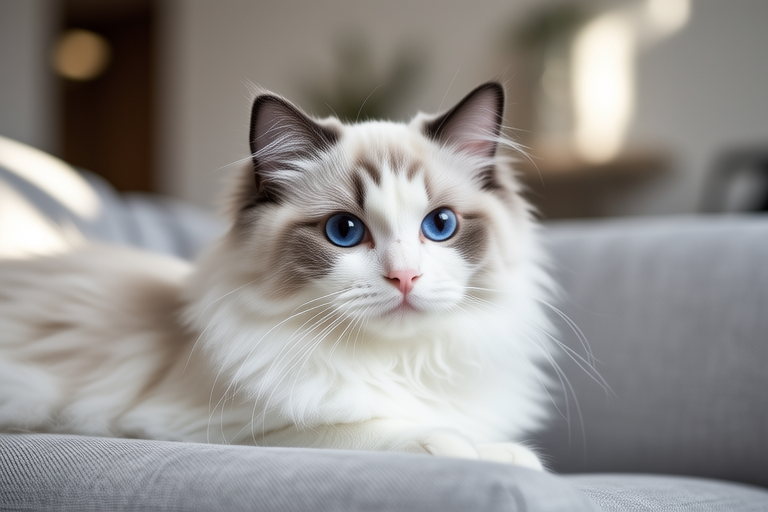
The Ultimate Guide to Ragdolls: Care, Training, and Turning Heads
Welcome to the world of Ragdoll cats, one of the most beloved and sought-after breeds. Known for their striking blue eyes, luxurious semi-longhair coats, and laid-back personalities, Ragdolls are a unique blend of elegance and affection. This guide will walk you through everything you need to know about caring for your Ragdoll, from basic care and training to showcasing their endearing qualities in public.
Introduction: Unique Characteristics of Ragdolls
Ragdolls are a relatively new breed, first developed in the 1960s by Ann Baker, a breeder in Riverside, California. These cats are known for their docile and affectionate nature, often described as ‘dog-like’ due to their tendency to follow their owners around and their willingness to be carried like a baby. Their name comes from their tendency to go limp when picked up, much like a ragdoll.
History, Appearance, and Temperament
The Ragdoll’s history is somewhat shrouded in mystery, with some theories suggesting that Baker bred them with a white domestic longhair. Despite the controversy surrounding their origins, Ragdolls have become popular worldwide for their gentle demeanor and stunning looks. They come in various colors and patterns, including seal, chocolate, blue, lilac, red, and cream, and their coat can feature bi-color, van, mitted, or colorpoint patterns.
In terms of temperament, Ragdolls are renowned for their patience and friendliness. They are excellent companions for families with children and other pets, making them ideal for households where interaction and playtime are valued. Their calm demeanor makes them perfect for apartment living, though they still require regular stimulation to keep them mentally and physically healthy.
Detailed Care Instructions
Diet
A balanced diet is crucial for maintaining a Ragdoll’s health. High-quality commercial cat food formulated for indoor cats or senior cats is recommended, as these diets are typically lower in calories and higher in fiber. Avoid foods high in fillers and artificial preservatives. Consult with your veterinarian to determine the best diet for your Ragdoll based on age, weight, and activity level. Fresh water should always be available.
Grooming
Ragdolls have semi-longhair coats that require regular brushing to prevent matting and hairballs. Brush them at least twice a week, more frequently during shedding seasons. Use a slicker brush to remove loose hair and a wide-tooth comb to detangle knots. Bathing should be done occasionally, only when necessary, using a cat-specific shampoo. Regular nail trimming and ear cleaning are also important aspects of grooming to ensure hygiene and comfort.
Health Considerations
Regular veterinary check-ups are essential for early detection and management of potential health issues. Ragdolls are generally healthy but can be prone to certain conditions, such as hypertrophic cardiomyopathy (HCM), a heart disease, and polycystic kidney disease (PKD). Genetic testing can help identify carriers of PKD, and early intervention can improve the quality of life for affected cats. Vaccinations and parasite control are also vital to protect your Ragdoll from common diseases and infestations.
Exercise Needs
Despite their laid-back nature, Ragdolls benefit from regular exercise to maintain muscle tone and mental stimulation. Interactive toys, such as feather wands or laser pointers, can engage their hunting instincts and provide entertainment. Puzzle feeders and treat-dispensing toys can also encourage physical activity while satisfying their natural curiosity. Play sessions should be short but frequent, ideally several times a day, to keep them active without overwhelming them.
Training Techniques
Positive reinforcement is key when training Ragdolls. Reward-based training methods, such as clicker training, can teach them tricks like fetching, sitting, and coming when called. Start by identifying a reward your Ragdoll loves, such as treats or playtime, and associate it with the desired behavior. Click or say ‘good’ when they perform the correct action, then immediately give the reward. Consistency is crucial, so practice regularly and gradually increase the difficulty of the tasks.
Tips on How Ragdolls Can Turn Heads
Ragdolls have a unique ability to charm people with their friendly and relaxed demeanor. In public, they can turn heads simply by being themselves. Their striking appearance and gentle nature make them eye-catching and approachable. Socializing your Ragdoll from a young age can help them feel comfortable in different environments and around new people.
Consider participating in cat shows or pet expos where your Ragdoll can showcase its beauty and personality. Many Ragdolls enjoy being carried or held, so you might find them relaxing in your arms as you interact with others. Always ensure your Ragdoll is comfortable and has the option to retreat if they feel overwhelmed.
When introducing your Ragdoll to new people, allow them to approach slowly and offer treats or toys to encourage positive interactions. This way, your Ragdoll can confidently show off its friendly nature and win over hearts wherever it goes.
In conclusion, Ragdolls are a delightful addition to any household, offering companionship, beauty, and joy. By providing proper care, training, and opportunities for socialization, you can ensure your Ragdoll leads a happy and healthy life. Embrace their unique traits and watch as they turn heads with their irresistible charm.
