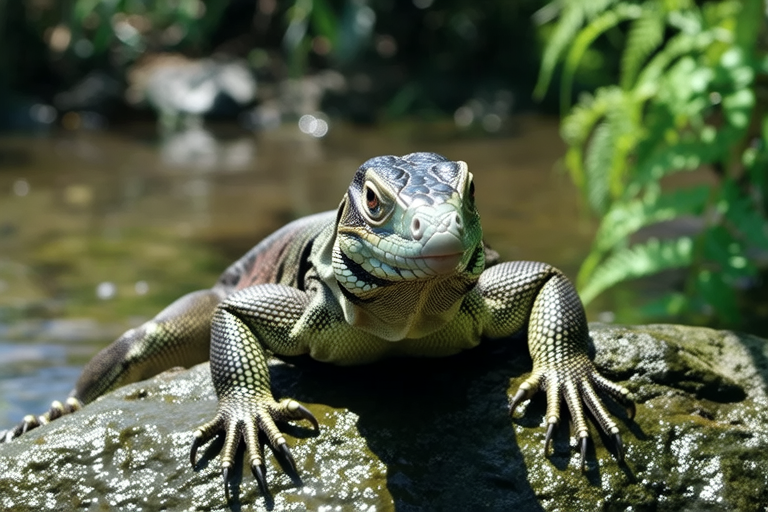
The Water Monitor: A Unique Pet That Will Leave You Spellbound
Water monitors (Varanus salvator) are among the largest lizards in the world, captivating pet owners with their striking appearance and intriguing behaviors. Native to Southeast Asia, these reptiles thrive in diverse environments, from dense rainforests to coastal mangroves. Their sleek bodies, powerful tails, and sharp claws make them efficient swimmers and climbers, enabling them to navigate their habitats with ease.
Physical Characteristics and Native Habitats
Water monitors can grow up to 3 meters in length, though most adults average around 1.5 meters. They possess long, muscular tails that serve as effective weapons against predators and aid in swimming. Their scales range in color from brown to black, often with yellow or cream spots or stripes, providing excellent camouflage in their natural environment. These lizards are highly adaptable and can be found in various ecosystems, including freshwater rivers, lakes, and marshes.
Dietary Needs
Water monitors are carnivorous, feeding primarily on small mammals, birds, fish, amphibians, and insects. In captivity, they require a diet rich in protein, which can include commercially available feeder rodents, insects, and occasionally fish. It’s crucial to provide a balanced diet to ensure optimal health. Supplements such as calcium and vitamins are necessary to prevent nutritional deficiencies. Proper feeding techniques, including the use of feeding tongs and appropriate substrate, help maintain hygiene and safety during mealtime.
Housing Requirements
Creating an appropriate habitat for a water monitor is essential for their well-being. Enclosures should be spacious, allowing ample room for movement and exploration. A minimum enclosure size of 6 feet by 3 feet by 4 feet is recommended for an adult monitor. The setup must include both terrestrial and aquatic areas, as water monitors spend significant time in water. The tank should have a secure lid to prevent escapes and allow for proper ventilation. Substrate options include coconut fiber, cypress mulch, or reptile carpet, all of which facilitate easy cleaning and maintenance.
Caring Challenges
Owning a water monitor comes with its share of challenges. These lizards are strong and can be destructive if not properly managed. They require substantial space, which can be difficult to accommodate in urban settings. Additionally, their dietary needs and the cost of specialized veterinary care can be significant. Potential owners must be prepared for the commitment and investment required to provide a suitable environment for their pets.
Behavior, Intelligence, and Interaction with Humans
Water monitors are intelligent and curious creatures. They exhibit complex behaviors, such as problem-solving skills and the ability to recognize individual caretakers. While they may not display affection like traditional pets, they can form bonds with their owners through consistent interaction. Regular handling and positive reinforcement training can enhance trust and communication between monitor and owner. However, it’s important to note that these lizards are wild animals and should always be treated with respect and caution.
Tips for Potential Owners
Before acquiring a water monitor, potential owners should thoroughly research the species’ specific needs and consult experienced breeders or veterinarians. Understanding the financial and time commitments involved is crucial. Providing mental stimulation through environmental enrichment, such as puzzle feeders and climbing structures, is vital for their well-being. Regular health checks and proper hygiene practices, including regular cleaning of the enclosure, contribute to maintaining their health.
Health Care
Water monitors require routine veterinary care, including annual check-ups and vaccinations. Common health issues include metabolic bone disease, respiratory infections, and parasites. Early detection and treatment of these conditions are critical. Owners should familiarize themselves with signs of illness and seek professional advice promptly if symptoms arise. Maintaining a clean and stress-free environment helps prevent many health problems.
Enrichment Activities
To keep water monitors mentally and physically stimulated, provide opportunities for exploration and exercise. Puzzle feeders, climbing structures, and shallow water areas encourage natural behaviors. Rotating toys and rearranging the enclosure periodically add variety and interest. Interactive play sessions with owners also foster a stronger bond and promote overall well-being.
Common Misconceptions
One prevalent misconception is that water monitors are easy to care for due to their adaptability in the wild. However, their specific needs in captivity necessitate careful planning and execution. Another误区是认为水 monitors are aggressive and dangerous. While they can be defensive if threatened, proper handling and socialization can minimize aggression. Additionally, some believe that monitors can live in smaller enclosures than recommended, which is not true and can lead to stress and health issues.
Why Water Monitors Captivate Their Owners
Despite the challenges, water monitors captivate their owners with their unique personalities and fascinating behaviors. Their intelligence, adaptability, and striking appearance make them truly special. Owning a water monitor is a rewarding experience for those willing to commit to their care and well-being.
Responsibilities Involved
Owning a water monitor is a significant responsibility that requires dedication and expertise. Potential owners must be prepared to provide a suitable habitat, meet dietary needs, and address health concerns. By understanding and fulfilling these responsibilities, owners can ensure the happiness and longevity of their pets. Water monitors are not for everyone, but for those who are willing to invest the time and effort, they offer a unique and enriching companionship.
