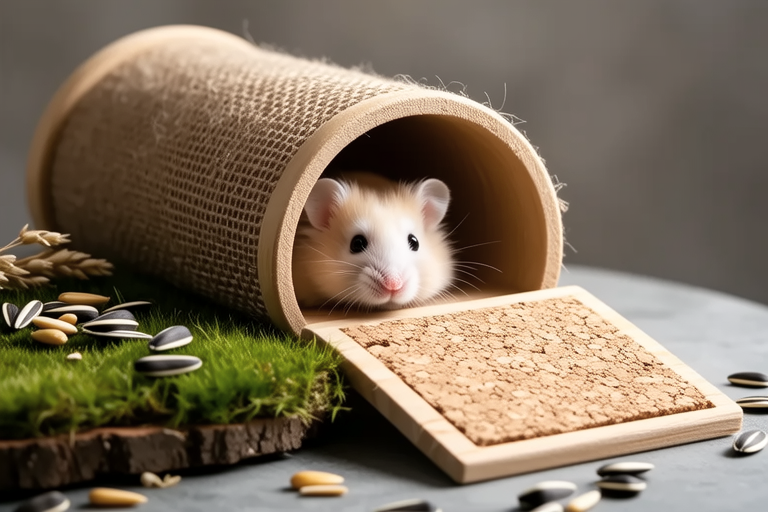
Hamster Habitat Hacks: DIY Cozy Nests and Fun Tunnels
Welcome to the world of hamster habitat hacks! Creating a comfortable and enriching environment for your little friend is crucial for their well-being. In this article, we’ll explore how you can craft DIY cozy nests and fun tunnels that will make your hamster’s home a paradise. We’ll cover everything from selecting safe materials to constructing secure tunnels, and we’ll offer tips for keeping your hamster’s habitat clean and inviting.
The Importance of a Comfortable Habitat
Your hamster’s habitat plays a vital role in their overall health and happiness. A well-designed living space provides safety, comfort, and stimulation, which are essential for their physical and mental well-being. Hamsters are naturally curious creatures that love to explore and burrow. By providing them with cozy nests and fun tunnels, you’re not only catering to their natural instincts but also promoting their physical activity and mental engagement.
A comfortable habitat ensures your hamster feels secure and at ease, reducing stress and promoting better sleep patterns. It also helps prevent behavioral issues that may arise from boredom or discomfort. By creating an enriching environment, you’re contributing positively to your pet’s quality of life.
DIY Cozy Nests Using Fabric Scraps and Tissue Paper
Building a cozy nest for your hamster is a simple yet rewarding task. The right materials can make all the difference, ensuring your pet has a snug and comfortable place to rest. Here’s how you can create a DIY cozy nest:
- Select Safe and Soft Materials: Choose materials that are safe for your hamster. Avoid anything that could pose a choking hazard or cause injury. Opt for soft fabrics like cotton, fleece, or flannel. Tissue paper is another excellent choice, as it mimics the soft bedding found in nature.
- Cut Fabric Scraps: Cut your chosen fabric into small pieces, approximately 2 to 3 inches square. This size is ideal for hamsters to carry and arrange into their nests.
- Prepare Tissue Paper: If using tissue paper, tear it into smaller strips or crumple it into balls. This mimics the texture of nesting material in the wild.
- Create the Nest: Place the fabric pieces and tissue paper in one corner of the cage. Your hamster will instinctively gather and rearrange these materials to form their perfect nest. Be patient; it may take some time for your hamster to settle in.
Tips for Success:
- Ensure all materials are free from chemicals or dyes that could be harmful if ingested.
- Monitor your hamster closely when introducing new materials to avoid any adverse reactions.
- Regularly replace soiled or torn materials to maintain hygiene.
Constructing Fun Tunnels from Cardboard Tubes and Plastic Pipes
Adding tunnels to your hamster’s habitat provides them with an exciting opportunity to explore and play. These structures stimulate their natural urge to burrow and create complex networks of tunnels.
- Select Suitable Tubes: Cardboard tubes from paper towels or toilet paper rolls are great for DIY projects. Alternatively, consider using lightweight plastic pipes designed specifically for small pets.
- Secure the Tunnels: Use non-toxic glue or tape to connect the tubes securely. Ensure there are no sharp edges or gaps that could trap your hamster.
- Add Variety and Complexity: To keep your hamster entertained, vary the tunnel sizes and configurations. You can create twists, turns, and even add small platforms or bridges within the tunnels.
Tips for Success:
- Always supervise your hamster during initial exploration to ensure they adjust safely.
- Check tunnels periodically for wear and tear, replacing damaged sections promptly.
- Introduce new elements gradually to avoid overwhelming your pet.
Maintaining a Healthy and Inviting Habitat
To ensure your hamster’s habitat remains healthy and inviting, regular cleaning and monitoring are essential. Follow these guidelines:
- Clean the Cage Regularly: Remove soiled bedding and debris daily. Perform a thorough cleaning of the entire cage weekly, using mild soap and water. Rinse thoroughly and allow it to dry completely before replacing bedding.
- Inspect for Hazards: Regularly check the cage for any potential hazards, such as loose wires or unsafe materials. Replace worn or damaged items immediately.
- Monitor Your Hamster’s Behavior: Pay attention to changes in your hamster’s behavior, appetite, or appearance. Early detection of any issues can lead to timely intervention.
By following these steps and tips, you can create a delightful and enriching environment for your hamster. With a bit of creativity and care, you’ll have a happy and healthy pet who enjoys exploring their cozy nests and fun tunnels.
Happy crafting and enjoy the bond you share with your beloved hamster!
