Top 5 Fascinating Facts About the Underrated Three-Striped Box Turtle
The Three-Striped Box Turtle (Amblyhydrus tristripatus) is a species often overlooked in the world of reptiles. Despite its captivating attributes, it remains relatively unknown compared to its more popular cousins, such as the Eastern Box Turtle. This turtle, with its distinctive three stripes running down its carapace, is a treasure trove of interesting features that deserve recognition. From its unique habitat preferences to its intriguing dietary habits, the Three-Striped Box Turtle offers a wealth of fascinating insights into the natural world.
Fact 1: The Unique Habitat of the Three-Striped Box Turtle
The Three-Striped Box Turtle thrives in a specific range of environments, primarily found in the southern United States, extending into parts of Mexico. It prefers damp, wooded areas near freshwater sources such as streams, ponds, and marshes. Unlike many other turtles that bask in open sunlight, these turtles prefer the dappled light under the forest canopy. This preference for shaded areas makes them adept at blending into their surroundings, providing an effective defense against predators.
One of the most remarkable aspects of their habitat is their ability to adapt to various terrains within their range. They can be found in both humid, tropical forests and dry, semi-arid regions. Their adaptability is due to their flexible diet and the ability to hibernate during colder months, ensuring survival in diverse climates.
Fact 2: A Versatile Diet
Three-Striped Box Turtles are omnivorous, which means they eat both plant and animal matter. Their diet consists of fruits, berries, insects, snails, worms, and even carrion. This varied diet allows them to thrive in different habitats and ensures they get a balanced intake of nutrients essential for their health.
Interestingly, their dietary habits change as they age. Younger turtles tend to consume more protein-rich foods like insects and worms, while adults favor more plant-based items such as berries and leaves. This shift in diet is believed to be related to the turtle’s growth and energy needs at different life stages.
Fact 3: Protective Shell and Behavior
The Three-Striped Box Turtle has a hinged lower shell, known as a plastron, which allows it to close its shell completely when threatened. This adaptation provides excellent protection against predators, making it one of the safest places for the turtle to retreat to. When fully enclosed, the turtle is virtually impenetrable to most threats.
In addition to their protective shell, these turtles have a fascinating behavior called ‘basking.’ While they avoid direct sunlight, they will often lie on warm rocks or logs to regulate their body temperature. This behavior helps them maintain optimal internal temperatures, crucial for digestion and overall health. Their cautious approach to basking, choosing spots that offer some shade, further highlights their adaptability to their environment.
Fact 4: Distinctive Physical Characteristics
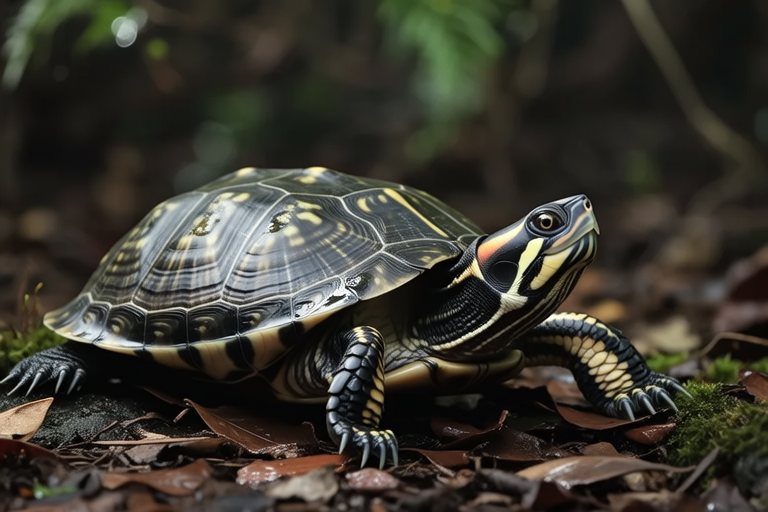
The Three-Striped Box Turtle is easily identifiable by the three longitudinal stripes that run along its dark brown or black carapace. These stripes can vary in color, ranging from yellow to orange, adding to the turtle’s striking appearance. The head of the turtle is usually marked with yellow spots or blotches, further enhancing its distinctiveness.
Another notable feature is the presence of webbed toes on their hind feet, which aid in swimming. Although they are primarily terrestrial animals, they are quite proficient swimmers, especially when crossing bodies of water. Their claws are sharp and strong, aiding in digging burrows and foraging for food.
Fact 5: Conservation Status and Threats
The Three-Striped Box Turtle is currently listed as Least Concern on the IUCN Red List, but this does not mean they are entirely safe from threats. Habitat destruction, fragmentation, and pollution pose significant risks to their survival. Urban development and agricultural expansion have led to the loss of suitable habitats, reducing the available space for these turtles to live and reproduce.
Additionally, the pet trade poses a threat to wild populations. Many individuals are captured and sold as pets, leading to a decline in local populations. Conservation efforts are crucial to ensure the survival of this species, and awareness about the challenges they face is the first step toward protecting them.
Call to Action: Learn More and Support Conservation Efforts
The Three-Striped Box Turtle is a remarkable creature with many unique traits that make it worthy of our attention and admiration. By learning more about this species, we can appreciate the complexity and beauty of nature. There are numerous ways to contribute to the conservation of the Three-Striped Box Turtle and other wildlife:
- Support local conservation organizations working to protect turtle habitats.
- Advocate for policies that reduce habitat destruction and pollution.
- Participate in citizen science projects that monitor turtle populations.
- Educate others about the importance of preserving biodiversity.
By taking these steps, we can help ensure that the Three-Striped Box Turtle continues to thrive in its natural habitat for generations to come. Let us all play a part in protecting this fascinating species and the ecosystems they inhabit.
