Unleashing the Majesty: A Deep Dive into Arowana Care
The arowana, often referred to as the dragonfish due to its regal appearance, has captivated the hearts of aquarists worldwide for centuries. Known for its striking beauty and historical significance, this species is a testament to nature’s artistry. The arowana’s shimmering scales and elongated body make it a true spectacle in any aquarium. This article aims to provide a comprehensive guide to arowana care, from understanding their dietary needs to creating the perfect tank environment.
Historical Significance and Appearance
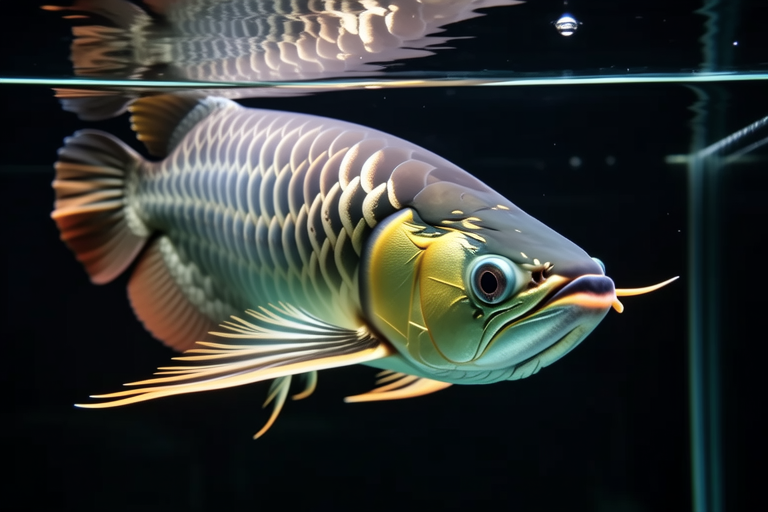
Arowanas have been revered in many cultures for their mythical and historical significance. In Chinese culture, they are symbols of good luck and prosperity, often associated with the dragon. Their presence in an aquarium is believed to bring positive energy and well-being. The fish’s appearance is nothing short of spectacular. With iridescent scales that catch the light and a long, streamlined body, arowanas exude elegance and grace. They come in various colors, such as red, green, and silver, each variety adding a unique touch to any aquatic display.
Dietary Needs
Maintaining a balanced diet is crucial for the health and longevity of arowanas. These carnivorous fish primarily feed on live prey in the wild, such as insects, small fish, and crustaceans. In captivity, a high-quality diet should include a mix of pellets, frozen foods, and occasional live food to mimic their natural diet. Feeding them appropriately ensures they remain vibrant and healthy. Overfeeding can lead to obesity and other health issues, so it’s important to monitor their intake carefully.
Tank Conditions
Creating an optimal environment for your arowana requires careful consideration of several factors. The tank should be spacious, ideally no smaller than 300 gallons for an adult arowana, to allow ample swimming space. Water parameters must be meticulously maintained. Arowanas prefer slightly acidic water with a pH range between 6.0 and 7.0, and temperatures between 78°F and 84°F. Adequate filtration is essential to maintain water quality, and a powerful external filter is recommended to handle the large volume of water.
Filtration Systems
Given the size and activity level of arowanas, choosing the right filtration system is critical. High-quality filters that provide mechanical, biological, and chemical filtration are ideal. Mechanical filtration removes debris, while biological filtration supports beneficial bacteria that break down harmful substances. Chemical filtration helps in absorbing toxins and excess nutrients. Regular maintenance of the filtration system is necessary to ensure it continues to function effectively.
Behavior and Interaction
Arowanas are known for their active and curious nature. They are highly interactive with their environment, often displaying territorial behavior, especially during feeding times. Socially, they tend to be solitary but can coexist peacefully with other large, non-aggressive species. Understanding their behavior helps in providing the best possible care and enriching their lives. It’s important to observe their interactions closely to ensure compatibility with tank mates.
Breeding
Breeding arowanas can be challenging but rewarding. They are mouthbrooders, meaning the male carries the eggs in his mouth until they hatch. Proper breeding conditions involve maintaining stable water parameters and ensuring the adults are in peak health. Patience and attention to detail are key when attempting to breed these magnificent creatures. Success in breeding can lead to the preservation of rare and endangered species, contributing positively to conservation efforts.
Common Health Issues and Preventive Measures
Like all aquatic animals, arowanas are susceptible to certain health issues. Common problems include fin rot, fungal infections, and parasitic infestations. Regular monitoring and prompt treatment are essential for maintaining their health. Preventive measures include maintaining pristine water quality, providing a balanced diet, and minimizing stress. Quarantine new additions to the tank to prevent the introduction of diseases.
Tips for New Owners
For those new to arowana ownership, there are several tips to ensure the best quality of life for your fish. First, invest in a high-quality tank setup from the beginning to avoid costly upgrades later. Educate yourself about the specific needs of arowanas, and don’t hesitate to consult experienced aquarists or veterinarians. Establish a routine for feeding, cleaning, and monitoring your arowana’s health. Remember, patience and dedication are key to successfully caring for these majestic creatures.
In conclusion, arowanas are not just beautiful fish; they are living pieces of history and culture. By understanding their dietary needs, creating the perfect tank environment, and being attentive to their health and behavior, you can ensure a long and happy life for your arowana. Embrace the responsibility and joy of owning one of these magnificent creatures, and you’ll find yourself captivated by their majesty.
