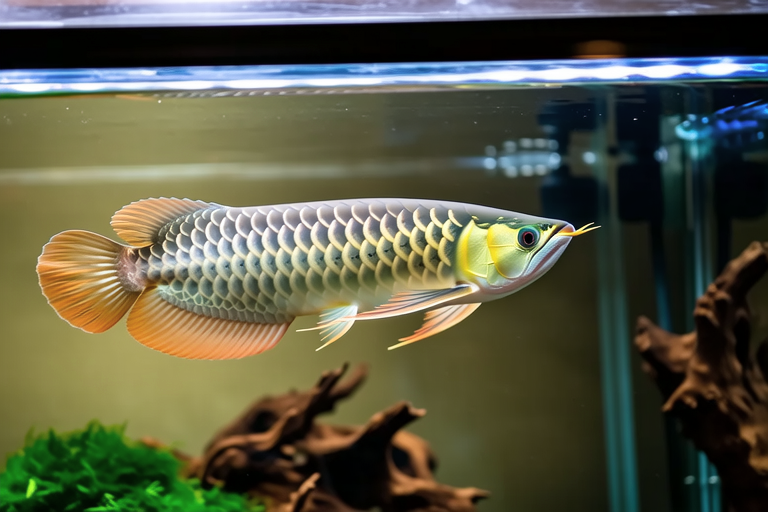
Arowana Ownership Guide: Everything You Need to Know Before Buying
Species Overview
The Arowana, also known as the Dragon Fish, is one of the most sought-after aquarium fish due to its striking appearance and behavior. Native to South America, Africa, and Asia, these fish are known for their large size, impressive scales, and predatory nature. There are several species of Arowana, with the most popular being the Asian Arowana (Scleropages formosus), the African Arowana (Heterotis niloticus), and the Silver Arowana (Osteoglossum bicirrhosum). Each species has distinct characteristics, but all share a unique jaw structure that allows them to leap out of the water to catch prey.
Arowanas are highly intelligent and can recognize their owners. They have excellent eyesight and can even be trained to take food from your hand. This makes them not only beautiful but also interactive pets. However, their size and specific care requirements mean they are best suited for experienced aquarists.
Tank Setup Requirements
Arowanas require a spacious tank to thrive. For a single adult Arowana, a minimum tank size of 300 gallons is recommended. The tank should be at least 4 feet long and 2 feet wide to accommodate their swimming patterns. Larger tanks are necessary if you plan to keep multiple Arowanas or other compatible species.
Water quality is crucial for Arowanas. They prefer soft, slightly acidic water with a pH between 6.0 and 7.0. Water hardness should be kept low, around 50-120 ppm. Regular water changes and efficient filtration systems are essential to maintain these conditions. Additionally, ensure the tank has sturdy decorations and plants to provide hiding spots and reduce stress.
Temperature control is another important factor. Arowanas prefer water temperatures between 78°F and 84°F. Use a reliable heater and thermometer to monitor and maintain this range. Also, ensure there is adequate space above the water for the fish to jump without injury.
Dietary Needs
Arowanas are carnivorous and require a diet rich in protein. In the wild, they feed on insects, small fish, crustaceans, and occasionally plant matter. In captivity, a varied diet of high-quality pellets, frozen foods like bloodworms and brine shrimp, and occasional live feeder fish will meet their nutritional needs.
Feeding frequency depends on the age and size of the fish. Young Arowanas may need to be fed several times a day, while adults can be fed once or twice daily. It’s important not to overfeed, as this can lead to obesity and health issues. Always observe your Arowana’s feeding habits and adjust portions accordingly.
Common Health Issues
Arowanas are generally hardy fish, but they are susceptible to certain health problems if their environment is not properly maintained. Common issues include fin rot, scale loss, and parasitic infections. These can often be traced back to poor water quality or stress.
To prevent health issues, it’s vital to perform regular water tests and maintain optimal water parameters. Quarantine new fish before introducing them to the main tank to avoid the spread of diseases. If you notice any signs of illness, consult a veterinarian specializing in aquatic animals for proper diagnosis and treatment.
Behavioral Insights
Arowanas are territorial and can become aggressive towards other fish, especially those of similar size or species. They are known to leap out of the water to catch prey, which can be fascinating to watch but requires careful attention to prevent injuries. They are also curious and can develop strong bonds with their owners.
Proper socialization and environmental enrichment can help manage their behavior. Providing ample space and enriching their environment with suitable tank mates, hiding spots, and interactive toys can enhance their well-being and reduce stress.
Legal Considerations Regarding Ownership
Owning an Arowana may come with legal restrictions depending on your location. In some countries, the Asian Arowana is protected under CITES (Convention on International Trade in Endangered Species) regulations, making it illegal to trade or own without proper permits. Even in areas where they are not protected, local laws may regulate their ownership.
Before purchasing an Arowana, research and comply with all relevant laws and regulations. Failure to do so can result in hefty fines or confiscation of the fish. It’s also advisable to purchase from reputable breeders to support sustainable practices and avoid contributing to the illegal trade of endangered species.
Maintenance Tips
Regular maintenance is key to ensuring the health and longevity of your Arowana. Perform weekly water changes of about 20% to keep the water clean and free from toxins. Clean the filter regularly and replace it when necessary.
Monitor the fish’s behavior and appearance for any signs of distress or disease. Early detection can prevent more serious health issues. Additionally, provide a balanced diet and appropriate living conditions to promote overall health.
Establish a routine for feeding, cleaning, and monitoring your Arowana. Consistency helps in maintaining a stable environment and reduces stress for the fish. With proper care and attention, your Arowana can live a long and healthy life, providing years of enjoyment and companionship.
