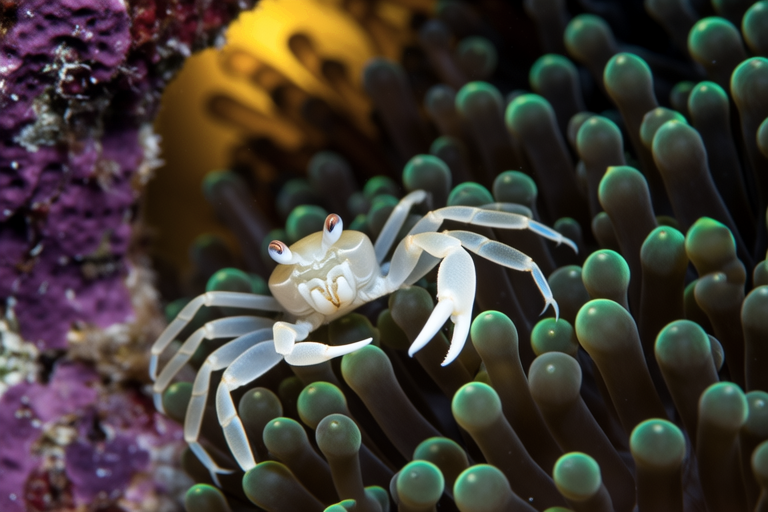
Meet the Pea Crab: Nature’s Smallest Shell-Shockers
Welcome to the fascinating world of the pea crab, a tiny but mighty inhabitant of our oceans. These diminutive crustaceans have captivated scientists and nature enthusiasts alike with their unique characteristics and remarkable symbiotic relationships. This article delves into the intriguing life of the pea crab, exploring its habitat, lifestyle, and the critical role it plays in marine ecosystems.
Introduction to Pea Crabs
The pea crab, or Pinnotheres, is a genus of small crabs that live exclusively inside the mantle cavities of bivalve mollusks, such as oysters, clams, and mussels. Their name comes from their size, which can range from a mere 5 millimeters to about 3 centimeters, making them one of the smallest crabs in the world. Despite their petite stature, pea crabs have adapted to a unique lifestyle that allows them to thrive in challenging environments.
Pea crabs are found in various parts of the world, from shallow coastal waters to deeper marine habitats. They are most commonly associated with temperate regions, though some species can be found in tropical areas as well. Their ability to coexist with bivalves has made them a subject of interest for marine biologists studying symbiosis.
Habitat
Pea crabs are primarily found in coastal waters, where they seek out hosts among bivalve populations. The choice of host is crucial for their survival, as it provides both shelter and food. Oysters, clams, and mussels are the preferred hosts due to their widespread distribution and availability. These bivalves offer a protective shell, which the pea crab utilizes as its home. Inside this safe haven, the pea crab can avoid predators and harsh environmental conditions.
The symbiotic relationship between pea crabs and their hosts is mutually beneficial. While the pea crab benefits from protection and a reliable food source, the host also gains from the presence of the crab. Pea crabs help clean their hosts by feeding on parasites and detritus, improving the overall health of the bivalve. Additionally, their presence can deter potential predators from attacking the host, offering an added layer of defense.
Lifestyle
The lifestyle of pea crabs revolves around their hosts, from whom they derive much of their sustenance. Pea crabs are opportunistic feeders, consuming a variety of food sources within the mantle cavity of their hosts. They primarily eat the eggs and larvae of the host, as well as detritus and microorganisms. This diet ensures that the pea crab remains well-fed without causing significant harm to its host.
Pea crabs are highly specialized in their reproductive behavior. Mating occurs within the host, and after fertilization, the female pea crab carries the eggs on her abdomen until they hatch. Once hatched, the larvae disperse into the surrounding water, where they search for new hosts. The larvae are incredibly small, measuring just a few millimeters in length, and must find a suitable host quickly to survive.
Interestingly, the sex ratio of pea crabs is often skewed towards females. This imbalance is thought to be an evolutionary adaptation, as female pea crabs are better suited to the enclosed environment of the host’s mantle cavity. Male pea crabs, being smaller, are more mobile and can venture outside the host to find mates.
Symbiotic Relationships
The symbiotic relationship between pea crabs and their bivalve hosts is one of the most fascinating aspects of their biology. This mutualism, where both species benefit, is a testament to the intricate web of life in marine ecosystems. The pea crab’s reliance on its host for protection and food underscores the importance of maintaining healthy bivalve populations.
In return for the protection and food provided by the host, pea crabs contribute to the host’s well-being by cleaning the mantle cavity and removing harmful parasites. This cleaning process helps maintain the health of the host, ensuring that it remains robust and capable of supporting the pea crab. Additionally, the presence of pea crabs can act as a deterrent to predators, providing an extra layer of security for the host.
Threats and Conservation Status
Despite their adaptability and symbiotic relationships, pea crabs face several threats in their natural habitats. Overfishing of bivalves, pollution, and habitat destruction pose significant challenges to their survival. As human activities continue to impact marine environments, the availability of suitable hosts decreases, putting pea crabs at risk.
Conservation efforts are essential to protect pea crabs and their hosts. Marine protected areas (MPAs) play a crucial role in safeguarding these delicate ecosystems. By preserving bivalve populations and their habitats, we can ensure the continued existence of pea crabs and the myriad of species that depend on them.
The Importance of Pea Crabs in Marine Ecosystems
Pea crabs may be small, but their role in marine ecosystems is substantial. As part of the food chain, they serve as a vital link between primary producers and larger predators. Their symbiotic relationships with bivalves highlight the interconnectedness of marine life, demonstrating how even the tiniest creatures can have a significant impact on their environment.
The presence of pea crabs also indicates the health of their host populations. By monitoring the abundance and diversity of pea crabs, scientists can gain insights into the overall health of marine ecosystems. This information is invaluable for developing effective conservation strategies and ensuring the long-term sustainability of our oceans.
Conclusion
The pea crab is a remarkable example of adaptation and cooperation in the marine world. From their tiny size to their intricate symbiotic relationships, these crustaceans have evolved to thrive in challenging environments. Their role in marine ecosystems underscores the importance of conserving not only the visible giants of the ocean but also the hidden treasures that contribute to its biodiversity.
By understanding and protecting pea crabs and their hosts, we can ensure the health and resilience of marine ecosystems. The preservation of these tiny shell-shockers is crucial for maintaining the balance of life in our oceans, and it is our responsibility to safeguard their future.
