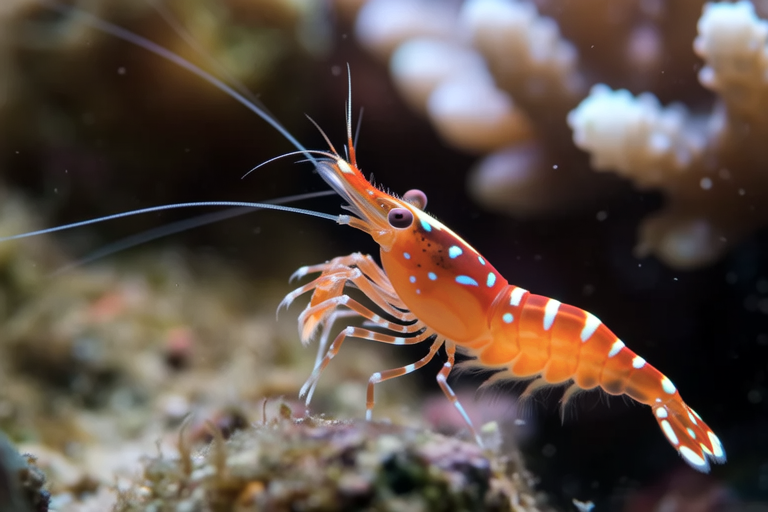
A Day in the Life of a Coral Shrimp: Insights from Aquarists Worldwide
For many aquarists, the vibrant and bustling life within a saltwater aquarium is a constant source of fascination. Among the myriad of creatures that inhabit these underwater worlds, coral shrimp stand out as particularly captivating. These small crustaceans, known for their striking colors and intricate behaviors, play crucial roles in maintaining the health and balance of marine ecosystems. This article delves into the daily activities, behaviors, and care requirements of coral shrimp as observed and shared by aquarists from around the globe.
The Early Morning Rituals
As dawn breaks over the ocean, coral shrimp emerge from their nocturnal retreats. These tiny scavengers, typically measuring between 2 to 3 centimeters in length, are among the first inhabitants of the reef to begin their day. Their early morning routines are marked by a series of meticulous activities designed to ensure survival and thrive in their environment.
One of the most notable behaviors observed by aquarists is their methodical cleaning of corals and rocks. Coral shrimp are adept at removing algae, detritus, and other debris from the surfaces they inhabit. This not only helps to maintain the aesthetic appeal of the aquarium but also contributes significantly to its overall health. The shrimp’s ability to clean without damaging delicate coral structures is one of their most valuable traits, making them popular choices for reef tanks.
Navigating the Reef
Coral shrimp are highly adaptable creatures, capable of thriving in various reef environments. Their agility and dexterity allow them to navigate through complex structures with ease. Observations from aquarists highlight their preference for hiding spots such as crevices, under rocks, and within the branches of stony corals. These hideouts serve multiple purposes; they provide protection from potential predators, offer a safe space for molting, and act as resting places during periods of inactivity.
One unique aspect of their behavior is their interaction with other tank inhabitants. Coral shrimp are generally peaceful and can coexist harmoniously with a wide range of fish species. However, it is important for aquarists to be mindful of the compatibility of their tank mates. Some fish, particularly those with larger mouths or aggressive tendencies, may pose a threat to the shrimp. Experienced aquarists recommend selecting tank mates that are similarly sized and non-aggressive to ensure a balanced ecosystem.
Dietary Preferences and Feeding Habits
The dietary preferences of coral shrimp are diverse and reflect their role as scavengers in the reef environment. While they primarily feed on algae, detritus, and organic matter, they also supplement their diet with microorganisms and leftover food particles. This omnivorous diet makes them versatile and adaptable, enabling them to thrive in a variety of conditions.
Feeding coral shrimp in captivity requires careful consideration. Many aquarists find success by providing a mix of algae wafers, frozen foods, and occasional treats like brine shrimp or mysis shrimp. It is important to avoid overfeeding, as excess food can lead to water quality issues. Regular water changes and the presence of beneficial bacteria help maintain optimal water conditions, ensuring the well-being of all tank inhabitants.
Novice aquarists often wonder about the frequency of feeding. A common recommendation is to feed the shrimp once every two to three days, adjusting the amount based on their activity levels and the cleanliness of the tank. This approach mimics the natural feeding patterns of coral shrimp in the wild, where food availability can be inconsistent.
Molting and Growth
One of the most fascinating aspects of coral shrimp biology is their molting process. Molting is a critical stage in the shrimp’s lifecycle, during which they shed their exoskeleton to accommodate growth. This process is not only essential for physical development but also serves as a mechanism for shedding parasites and damaged tissue.
Aquarists have reported that during the molting period, coral shrimp become more reclusive, seeking out secluded areas within the tank. They often bury themselves in the substrate or hide in crevices, minimizing their exposure to potential threats. This behavior underscores the importance of providing ample hiding spots in the aquarium setup.
Following molting, coral shrimp are particularly vulnerable. Their new exoskeleton is soft and requires time to harden. During this period, they are less active and more susceptible to predation. Aquarists must exercise caution when introducing new tank mates or conducting maintenance tasks that could disturb the shrimp during this sensitive phase.
Contributions to the Ecosystem
Coral shrimp are not merely passive participants in the reef ecosystem; they actively contribute to its health and stability. Their role as cleaners extends beyond the removal of algae and debris. By consuming dead tissue and mucus from corals, they aid in the prevention of diseases and promote the overall health of the reef.
In addition to their cleaning duties, coral shrimp play a crucial part in nutrient cycling. Through their feeding and waste production, they help recycle nutrients within the aquarium, supporting the growth of beneficial bacteria and contributing to water clarity. This symbiotic relationship highlights the interconnectedness of all tank inhabitants and underscores the importance of maintaining a balanced ecosystem.
Tips for Successful Husbandry
For aquarists looking to introduce coral shrimp into their reef tanks, there are several key considerations to keep in mind. First and foremost, it is essential to ensure that the tank is properly cycled and established before adding new inhabitants. A mature aquarium with stable water parameters provides the best environment for coral shrimp to thrive.
Proper lighting is another critical factor. Coral shrimp are diurnal creatures, meaning they are most active during daylight hours. Providing adequate lighting not only enhances the visual appeal of the aquarium but also supports the growth of algae, which forms a significant portion of their diet.
Lastly, regular monitoring of water parameters is crucial. Coral shrimp are sensitive to fluctuations in water chemistry, particularly pH and salinity levels. Maintaining consistent water conditions ensures their long-term health and well-being. Experienced aquarists recommend testing the water weekly and making adjustments as necessary to maintain optimal conditions.
Conclusion
The daily life of a coral shrimp is a testament to the intricate balance and harmony of marine ecosystems. From their early morning cleaning rituals to their vital contributions to nutrient cycling, these small crustaceans play indispensable roles in maintaining the health and beauty of reef environments. Whether you are a novice aquarist embarking on your first reef tank or an experienced hobbyist looking to expand your collection, coral shrimp offer a rewarding and enriching experience. By understanding and respecting their needs, we can create thriving, vibrant aquatic communities that bring joy and wonder to our homes.
