Adopting a Norwegian Cat: Everything You Need to Know Before Saying ‘Hei!’
Welcome to the world of Norwegian Forest Cats, also known as Norsk Skogkatt in their native tongue. These majestic felines have captured the hearts of many with their unique blend of beauty, intelligence, and charm. Originating from the snowy landscapes of Norway, these cats have adapted to thrive in various environments, making them an excellent choice for many homes. This guide will walk you through everything you need to know before welcoming a Norwegian cat into your life.
The Origins and Appearance of Norwegian Cats
Norwegian Forest Cats, or Norsk Skogkatt, have a rich history that dates back centuries. Legend has it that they accompanied Vikings on their voyages, earning the nickname ‘Viking Cats.’ Their origins can be traced back to the forests of Norway, where they developed thick, water-resistant coats and robust physiques to withstand harsh winters. The breed was officially recognized in 1977 by the International Cat Association (TICA).
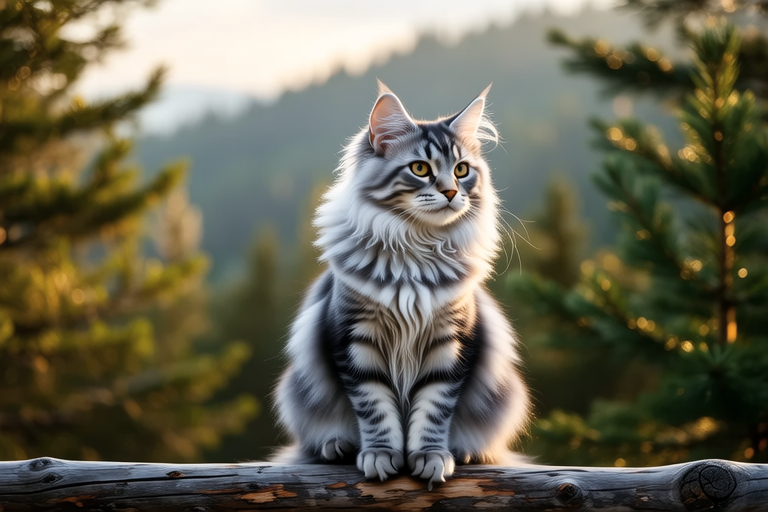
These cats are medium to large in size, with a strong, muscular build. They possess a double coat consisting of a soft undercoat and a longer, water-resistant topcoat, which gives them a fluffy appearance. Their eyes are almond-shaped and can come in various colors, including green, gold, and copper. Norwegian Forest Cats are known for their striking facial features, including prominent cheekbones and a straight profile.
Temperament and Personality
Norwegian Forest Cats are known for their affectionate and gentle nature. Despite their wild origins, they are generally friendly and sociable, making them great companions for families and individuals alike. They are highly intelligent and curious, often exploring their surroundings with great enthusiasm. Norwegian Forest Cats tend to form strong bonds with their human families, seeking out attention and affection.
While they are independent thinkers, they are not overly demanding and can adapt well to different living situations. However, they do require regular interaction and mental stimulation to stay happy and healthy. Their playful nature makes them excellent playmates for children and other pets, provided they are introduced gradually.
Choosing the Right Norwegian Cat for Your Home
When adopting a Norwegian Forest Cat, it’s important to consider several factors to ensure a harmonious match. First, assess your living environment. Norwegian Forest Cats are active and enjoy climbing, so they thrive in homes with ample vertical space, such as tall cat trees or shelves. If you live in a small apartment, make sure there are plenty of toys and activities to keep them entertained.
Your lifestyle is another crucial factor. Norwegian Forest Cats are relatively low-maintenance when it comes to grooming, but they still require daily interaction and playtime. If you lead a busy lifestyle, consider adopting a slightly older cat who may be more independent. Additionally, think about your family dynamics. Norwegian Forest Cats are generally good with children and other pets, but introducing new animals should always be done gradually to avoid stress.
Health Concerns and Care Routines
Like all breeds, Norwegian Forest Cats are prone to certain health issues. One of the most common concerns is hypertrophic cardiomyopathy (HCM), a heart condition that affects the heart muscle. Regular veterinary check-ups are essential to monitor your cat’s heart health. Other conditions include hip dysplasia and polycystic kidney disease (PKD), which can be managed with proper care and monitoring.
To maintain optimal health, establish a routine that includes regular grooming sessions to prevent matting and remove loose hair. Brushing your Norwegian Forest Cat at least once a week will help keep their coat in top condition. Additionally, ensure they receive a balanced diet rich in protein and vitamins, tailored to their age and activity level. Regular exercise is also important, especially if your cat spends most of its time indoors.
Raising a Norwegian Cat: Diet, Grooming, and Exercise Needs
Diet plays a crucial role in maintaining your Norwegian Forest Cat’s overall health. Opt for high-quality cat food that meets their nutritional requirements, focusing on protein-rich options. Consult with your veterinarian to determine the appropriate portion sizes and feeding schedule based on your cat’s age, weight, and activity level. Fresh water should always be available to keep them hydrated.
Grooming is essential for Norwegian Forest Cats, given their long, luxurious coats. Use a wide-toothed comb or slicker brush to gently remove tangles and distribute natural oils throughout their fur. During shedding seasons, increase the frequency of grooming to prevent hairballs and skin irritations. Bathing is usually unnecessary unless your cat gets particularly dirty, as their self-grooming habits are typically sufficient.
Exercise is vital for keeping Norwegian Forest Cats physically fit and mentally stimulated. Provide them with interactive toys, scratching posts, and climbing structures to encourage physical activity. Consider playing with them using laser pointers or feather wands to engage their hunting instincts. Outdoor enclosures or supervised outdoor time can also be beneficial, allowing them to explore safely.
Training and Socializing Your Norwegian Cat
Training and socialization are key to raising a well-behaved Norwegian Forest Cat. Start early by establishing clear boundaries and expectations. Use positive reinforcement techniques, such as treats and praise, to encourage desired behaviors. Teach basic commands like ‘sit,’ ‘stay,’ and ‘come’ to strengthen the bond between you and your cat.
Socializing your cat from a young age helps them become comfortable around people and other animals. Introduce them to various stimuli, including different sounds, textures, and environments. Gradually expose them to new experiences to build their confidence and reduce anxiety. Consistent socialization efforts can lead to a well-rounded, adaptable cat that enjoys interacting with others.
Resources for Potential Adopters
Before bringing a Norwegian Forest Cat into your home, consider adopting from shelters or rescue organizations. Many wonderful cats are waiting for loving homes, and adoption is a rewarding way to give a second chance to a deserving animal. Look for reputable rescues that prioritize the health and well-being of their cats. They often provide support and resources to help new adopters transition smoothly.
For those interested in learning more about Norwegian Forest Cats, there are numerous resources available. Join online forums and social media groups dedicated to the breed to connect with other enthusiasts and share experiences. Attend local cat shows or events to meet Norwegian Forest Cats in person and learn from breed experts.
Conclusion: Welcome a Norwegian Cat into Your Life
Welcoming a Norwegian Forest Cat into your home is a decision that brings joy, companionship, and endless love. With their striking appearance, gentle demeanor, and playful spirit, these cats make wonderful additions to any family. By understanding their unique needs and providing proper care, you can ensure a happy and healthy life for your Norwegian Forest Cat.
We invite you to open your heart and home to a Norwegian Forest Cat. Whether you’re a first-time pet owner or an experienced cat lover, these magnificent creatures will undoubtedly enrich your life in countless ways. So, say ‘Hei!’ and embark on an unforgettable journey with your new feline friend.
