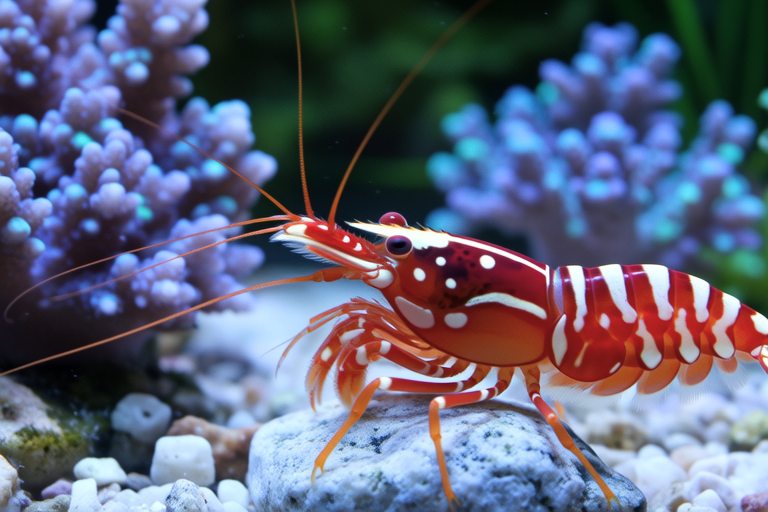
How to Set Up the Perfect Habitat for Your Coral Shrimp
Welcome to the fascinating world of coral shrimp care! These vibrant crustaceans bring a splash of color and life to any aquarium. Setting up the perfect habitat for your coral shrimp requires careful consideration of various factors such as tank size, water parameters, filtration, and lighting. This guide will walk you through the essential steps to ensure your coral shrimp thrive in their new home.
The Ideal Tank Size
Choosing the right tank size is crucial for your coral shrimp’s well-being. A minimum tank size of 20 gallons (75 liters) is recommended for a single coral shrimp. However, if you plan to add more shrimp or other tank mates, consider a larger tank. A bigger tank provides ample space for swimming and reduces stress caused by overcrowding.
Water Parameters
Temperature
Maintaining a stable temperature between 72°F to 82°F (22°C to 28°C) is vital for your coral shrimp’s health. Use a reliable heater and thermometer to monitor and control the water temperature. Sudden temperature changes can be stressful for these sensitive creatures.
pH Levels
Coral shrimp prefer a slightly alkaline environment with a pH range of 8.0 to 8.4. Regularly test the water using a high-quality pH testing kit to ensure it stays within this optimal range.
Salinity
These shrimp require a saltwater environment with a specific gravity of 1.020 to 1.025. Use a hydrometer to measure the salinity and adjust it as needed. Proper salinity supports the shrimp’s osmoregulation process, which is crucial for their overall health.
Filtration Systems
A robust filtration system is essential for maintaining clean and healthy water conditions. Consider a combination of mechanical, biological, and chemical filtration methods:
- Mechanical Filtration: Helps remove debris and waste from the water. Choose a filter that suits your tank size and includes sponge filters or power filters with fine mesh inserts.
- Biological Filtration: Supports beneficial bacteria that break down harmful ammonia and nitrite into less toxic nitrate. A good biological filter should have plenty of surface area for bacterial growth.
- Chemical Filtration: Removes dissolved organic compounds and helps control water clarity. Activated carbon and phosphate-removing resins are popular choices for chemical filtration.
Ensure adequate flow rates and avoid overly strong currents that might stress the shrimp. Place the filter outlet away from the shrimp’s primary swimming area to provide a calm resting spot.
Lighting Requirements
Proper lighting is crucial for simulating a natural environment and promoting the growth of algae and coralline algae, which many coral shrimp feed on. Opt for LED lights with a spectrum that mimics natural sunlight. Aim for approximately 8 to 10 hours of light per day, with a gradual increase in intensity over several weeks to acclimate the shrimp to the new lighting conditions.
Consider adding some live rock or coral to your tank to encourage the growth of algae and provide additional hiding spots. Some coral shrimp species may also benefit from a protein skimmer, which helps maintain water quality by removing excess nutrients and organic compounds.
Suitable Decorations and Hiding Spots
Creating a naturalistic environment with appropriate decorations and hiding spots is essential for the well-being of your coral shrimp. Live rock, coral skeletons, and driftwood provide numerous crevices and caves where the shrimp can hide, feel secure, and molt safely. Arrange these decorations strategically to create a labyrinth of tunnels and nooks.
Additionally, include plants like Java ferns or Anubias, which offer shelter and contribute to a more balanced ecosystem. These plants also help oxygenate the water and absorb excess nutrients. Ensure that the decorations are securely placed to prevent potential injuries to the shrimp.
Maintaining Water Quality and Regular Maintenance Tasks
Consistent monitoring and maintenance are key to keeping your shrimp’s environment pristine. Perform weekly partial water changes of about 10-20% to remove accumulated toxins and replenish essential minerals. Always use a dechlorinator to neutralize chlorine and chloramines found in tap water.
Test the water regularly for ammonia, nitrite, and nitrate levels to ensure they remain within safe limits. Ammonia and nitrite should ideally be undetectable, while nitrate levels should stay below 20 ppm. If necessary, perform additional water changes or adjust the filtration system to address any imbalances.
Perform a thorough cleaning of the tank every few months, ensuring that all surfaces are free of algae and debris. Be gentle when handling the shrimp and decorations to minimize stress. Regular maintenance will help prevent disease outbreaks and ensure a long, healthy life for your coral shrimp.
Compatible Tank Mates
Selecting compatible tank mates is important to maintain harmony in your aquarium. Coral shrimp generally get along well with peaceful fish species such as cardinal tetras, neon tetras, and dwarf gouramis. Avoid aggressive or fin-nipping fish, as they may pose a threat to the shrimp. Additionally, refrain from keeping them with predatory species like triggerfish or large angelfish.
Some other suitable tank mates include small snails, hermit crabs, and non-aggressive clownfish. It’s always wise to research each potential tank mate thoroughly before introducing them to your shrimp’s environment. Compatibility can vary depending on individual behaviors and tank dynamics, so observe closely after introductions.
Dietary Needs
Coral shrimp are omnivorous and require a balanced diet consisting of both plant-based and animal-based foods. In the wild, they graze on algae, detritus, and tiny microorganisms. To replicate this diet in captivity, offer a variety of high-quality flake food, pellets, and frozen or freeze-dried foods specifically formulated for marine invertebrates.
Incorporate blanched vegetables like spinach or zucchini, as well as algae wafers and spirulina-based foods. Supplement their diet with occasional treats like brine shrimp, mysis shrimp, or chopped seafood. Feed your shrimp small portions multiple times a day rather than one large meal. Overfeeding can lead to poor water quality and health issues.
Observe your shrimp’s feeding behavior and adjust the quantity accordingly. Ensure that uneaten food is removed promptly to prevent water pollution. A well-fed and properly maintained coral shrimp will exhibit vibrant colors and active behavior, indicating a healthy and thriving environment.
Conclusion
Setting up the perfect habitat for your coral shrimp involves careful planning and attention to detail. By providing the right tank size, water parameters, filtration, and lighting, you create a nurturing environment that promotes the shrimp’s health and longevity. Incorporating suitable decorations and hiding spots, maintaining water quality, and selecting compatible tank mates further enhances their well-being.
With proper care and regular maintenance, your coral shrimp will thrive and become a delightful addition to your aquarium. Enjoy the vibrant colors and intriguing behaviors of these fascinating creatures as they bring life and beauty to your underwater world.
