Golden British Shorthairs: A Complete Guide for Cat Enthusiasts
Welcome to our comprehensive guide on Golden British Shorthairs! Whether you’re an aspiring owner or a devoted fan, this article will provide you with all the information you need to understand and appreciate these beautiful felines. From their origins and history to grooming and care, we’ll cover it all.
Origins and History of the Breed
The Golden British Shorthair has a rich history that dates back centuries. Originating in Britain, these cats were initially bred for their robustness and hunting abilities. Over time, they became popular as companions due to their calm demeanor and affectionate nature. The first British Shorthairs were registered with the Governing Council of the Cat Fancy (GCCF) in 1912, marking the beginning of organized breeding. The golden variety, known for its stunning coat, emerged later through selective breeding, adding a unique touch to the already beloved breed.
Physical Characteristics Specific to Golden British Shorthairs
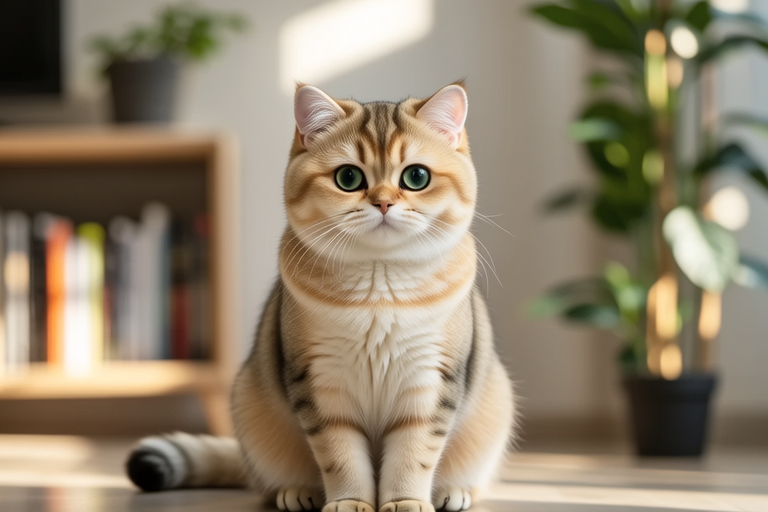
Golden British Shorthairs are easily recognizable by their plush, dense coats that shimmer with a golden hue under sunlight. Their muscular bodies, broad chests, and short legs give them a sturdy appearance. These cats have round faces with expressive, large eyes that often match the color of their fur, enhancing their striking looks. Their ears are small and rounded at the tips, perfectly complementing their overall appearance. One memorable story involves a golden British Shorthair named Charlie who won a local pet show not just for his beauty but also for his impeccable grooming and well-maintained coat.
Personality Traits and Temperament
Golden British Shorthairs are known for their gentle and affectionate nature. They are generally calm and patient, making them ideal companions for families with children. These cats enjoy spending time with their human family members but also value their independence. Anecdotes from owners reveal how these cats often seek out quiet corners to relax but always return to their favorite humans for attention. For instance, one owner shared that her golden British Shorthair, Bella, would follow her around the house like a shadow during the day but then curl up next to her bed at night for comfort.
Grooming and Care Requirements
Maintaining the luxurious coat of a Golden British Shorthair requires regular grooming. Brushing your cat twice a week helps remove loose hair and prevents matting. Bathing should be done only when necessary, as these cats are generally clean. Regular nail trimming, dental hygiene, and ear cleaning are also important aspects of their care routine. Many owners find that their golden British Shorthairs enjoy grooming sessions, seeing them as bonding moments rather than chores.
Common Health Issues
Like all breeds, Golden British Shorthairs can be prone to certain health issues. Hypertrophic cardiomyopathy (HCM), a heart condition, is one concern, though it’s relatively rare. Polycystic kidney disease (PKD) is another genetic disorder that may affect some individuals. Responsible breeders screen for these conditions to minimize risks. Regular veterinary check-ups help ensure early detection and management of any potential health problems. One owner recounted how she noticed her cat’s unusual behavior during playtime, leading to a timely diagnosis and treatment of HCM.
Dietary Needs
A balanced diet is crucial for maintaining the health and vitality of a Golden British Shorthair. High-quality commercial cat food that meets AAFCO standards is recommended. Consultation with a veterinarian can help tailor a diet plan based on individual needs. Homemade diets should be approached cautiously, ensuring they meet all nutritional requirements. Water intake is equally important, so always provide fresh water. Many owners report that their golden British Shorthairs develop preferences for certain types of food, such as wet food over dry kibble, making mealtime enjoyable for both the cat and the owner.
Exercise and Play Recommendations
While Golden British Shorthairs are generally sedentary, providing opportunities for physical activity is essential for their well-being. Interactive toys, climbing structures, and laser pointers can stimulate their minds and bodies. Daily play sessions help maintain a healthy weight and prevent boredom. Some owners have found creative ways to engage their cats, like setting up obstacle courses or creating DIY play areas. One owner shared how her golden British Shorthair, Max, loved chasing after feather toys, which provided hours of entertainment.
Suitable Living Environments
Golden British Shorthairs adapt well to various living environments but thrive in homes where they receive ample attention and affection. They are adaptable to both indoor and outdoor lifestyles, though indoor living offers greater safety. Providing comfortable resting spots, scratching posts, and access to windows for bird watching enhances their quality of life. Many owners have created cozy nooks specifically for their cats, complete with soft blankets and perches. One owner mentioned how her golden British Shorthair, Luna, preferred lounging on a window sill overlooking the garden.
Training Tips
Training a Golden British Shorthair can be rewarding but requires patience and positive reinforcement. Clicker training and treats can motivate your cat to learn new behaviors. Teaching basic commands like ‘come’ or ‘sit’ can strengthen the bond between you and your pet. Encouraging good habits, such as using a scratching post instead of furniture, helps create a harmonious living environment. One owner shared how she successfully trained her golden British Shorthair, Oliver, to use a scratching post by placing it near his favorite napping spot and offering treats as rewards.
Advice on Choosing a Reputable Breeder
Selecting a reputable breeder is crucial when bringing a Golden British Shorthair into your home. Research thoroughly, read reviews, and ask questions about the breeder’s practices and the health of their cats. Responsible breeders prioritize the welfare of their animals, ensuring proper socialization and healthcare. Visiting the breeding facility allows you to assess the living conditions and meet the parents of the kittens. One potential owner shared her experience visiting multiple breeders before finding the perfect match, emphasizing the importance of trust and transparency in the selection process.
In conclusion, Golden British Shorthairs are magnificent creatures that bring joy and companionship to many households. By understanding their origins, physical characteristics, personality traits, and care requirements, you can ensure a fulfilling relationship with these wonderful cats. Whether you’re a seasoned cat enthusiast or considering adding one to your family, this guide provides valuable insights into owning and loving a Golden British Shorthair.
