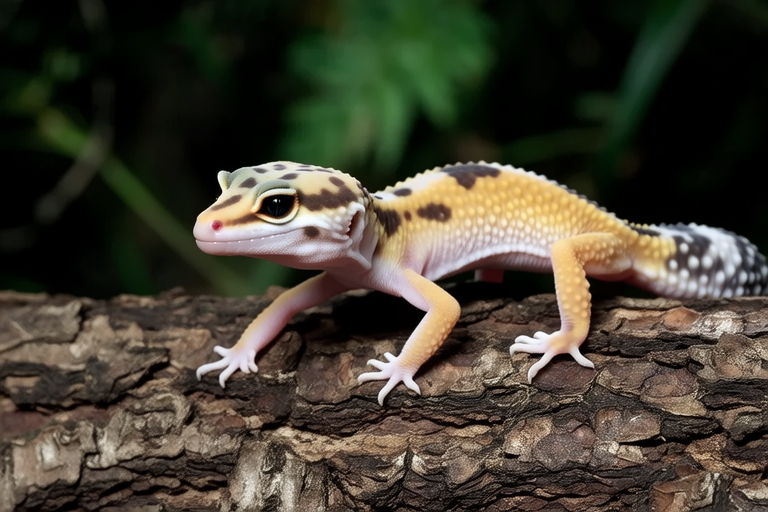
Top 10 Fascinating Facts About Chameleons You Need to Know
Chameleons are some of the most fascinating creatures on Earth. These colorful reptiles have intrigued scientists and nature enthusiasts alike for centuries. From their remarkable ability to change colors to their unique hunting techniques, there’s always something new to learn about these captivating animals. This article will take you through the top 10 fascinating facts about chameleons, highlighting their behaviors, physical adaptations, diet, and habitat. Let’s dive into the world of chameleons and discover what makes them so special.
1. Color-Changing Masters
The most well-known feature of chameleons is their ability to change color. Contrary to popular belief, they don’t just blend into their surroundings to avoid predators. Instead, chameleons change color to communicate, regulate body temperature, and express emotions. Their skin contains specialized cells called chromatophores that contain pigments. By expanding or contracting these cells, chameleons can display a wide range of colors, from bright greens to deep reds. This amazing adaptation allows them to send clear messages to other chameleons and control their environment.
2. Zipping Tongues
Chameleons have one of the most impressive hunting techniques in the animal kingdom. They possess a long, sticky tongue that can extend up to twice the length of their body. When a chameleon spots its prey, it shoots out its tongue at lightning speed, catching insects in its sticky tip. The tongue’s rapid movement is powered by a complex system of muscles and bones, making it one of the fastest movements in the animal world. With this incredible tool, chameleons can catch a variety of insects, ensuring they get enough food to survive.
3. Eyes on a Stalk
Chameleons have another unique feature: eyes that move independently of each other. Unlike humans, who have binocular vision (both eyes looking in the same direction), chameleons can rotate their eyes 180 degrees, allowing them to see in two different directions simultaneously. This adaptation helps them spot potential threats and prey without moving their head, giving them a significant advantage in their environment.
4. Arboreal Acrobats
Most chameleons live in trees, and their bodies are perfectly adapted for life in the canopy. They have long tails that act as a fifth limb, helping them balance while walking along branches. Their feet are also designed for gripping, with toes that split into two groups of two and three. This arrangement allows chameleons to grip onto surfaces securely, whether they’re climbing up or down. Their strong limbs and flexible bodies make them excellent climbers, capable of reaching high into the treetops.
5. Diverse Diet
While many people associate chameleons with eating insects, their diet can be much more varied. Depending on the species, chameleons may eat fruits, flowers, and even small vertebrates like lizards. Some larger chameleon species, such as the veiled chameleon, have been observed consuming baby birds. However, the majority of chameleons stick to a diet of insects, which they catch using their lightning-fast tongues. This diverse diet allows chameleons to thrive in various environments, from rainforests to deserts.
6. Solitary Lives
Chameleons are generally solitary animals, spending most of their time alone. They only come together during mating season, and even then, males compete fiercely for females. After mating, the female lays eggs and leaves the offspring to fend for themselves. This solitary lifestyle helps chameleons conserve energy and reduces competition for resources. While they may seem aloof, chameleons have developed strategies to survive and thrive on their own.
7. Heat Seekers
Chameleons are ectothermic, meaning they rely on external sources of heat to regulate their body temperature. To stay warm, they bask in the sun, often perching on branches where they can absorb the most sunlight. However, when temperatures become too hot, chameleons seek shade and cool off by evaporating water through their skin. This behavior helps them maintain the perfect internal temperature, ensuring their bodies function optimally.
8. Long-Lived Lizards
Compared to many other reptiles, chameleons have relatively long lifespans. In captivity, some species can live for over 10 years, with some individuals reaching up to 20 years. In the wild, their lifespan is typically shorter due to predation and environmental factors, but even so, chameleons can live several years longer than many other lizard species. Their longevity is partly due to their efficient metabolism and ability to adapt to changing conditions.
9. Unique Vocalizations
Although chameleons are known for their silent demeanor, some species produce vocalizations. For example, panther chameleons are capable of making clicking sounds to attract mates or warn off rivals. Other species may hiss or puff out their throats to appear larger and more intimidating. These vocalizations play an important role in communication, helping chameleons establish territories and find partners.
10. Camouflage Beyond Color
In addition to their famous color-changing abilities, chameleons have evolved other forms of camouflage. Their bodies are often covered in patterns that help them blend into their surroundings, making it difficult for predators to spot them. Some species have leaf-like protrusions on their skin, while others have spiky scales that resemble twigs. These adaptations, combined with their color-changing capabilities, allow chameleons to disappear almost completely into their environment.
Conclusion
Chameleons are truly remarkable creatures, with a wide array of adaptations that make them perfectly suited to their environment. From their zipping tongues to their eyes on stalks, these lizards have developed unique features that set them apart from other reptiles. Whether you’re fascinated by their ability to change color or their acrobatic climbing skills, there’s no denying the charm of chameleons. Next time you encounter one of these fascinating animals, take a moment to appreciate the intricate design of nature and the amazing creatures it has produced. By understanding and respecting these animals, we can help ensure that future generations will continue to marvel at the wonders of the natural world.
