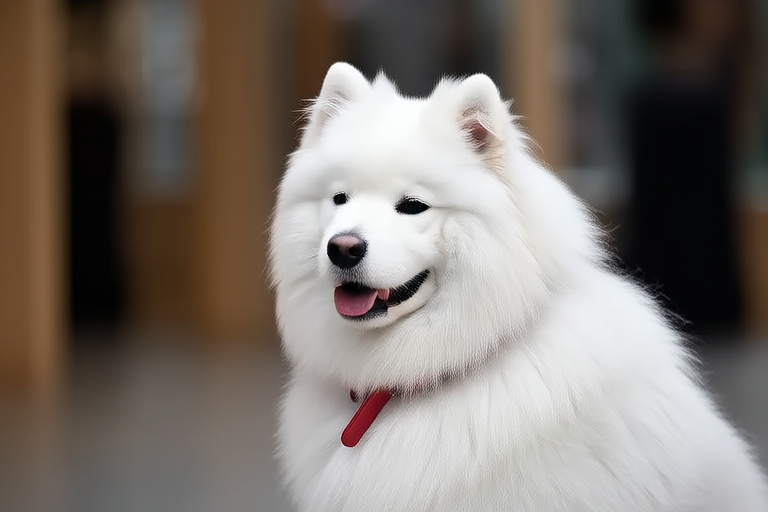
Samoyed Training Hacks Every Owner Should Know
Welcome to the wonderful world of Samoyed ownership! These fluffy, friendly dogs are known for their intelligence, loyalty, and striking white coats. However, owning a Samoyed comes with its own set of challenges, particularly when it comes to training. This guide will provide you with essential training tips, address common behavioral issues, suggest effective training methods, offer nutritional advice for optimal energy levels, and explain how these factors contribute to a well-behaved Samoyed.
Understanding Your Samoyed: Unique Traits and Their Impact on Training
Before diving into training techniques, it’s important to understand what makes your Samoyed special. Samoyeds are highly intelligent and energetic dogs that thrive on mental and physical stimulation. They have a strong work ethic and were originally bred as herding dogs, which means they are naturally inclined to be active and engaged. However, this also means they can become bored or restless if not given enough attention and exercise.
One of the most notable traits of Samoyeds is their tendency to be independent thinkers. While this can make them excellent problem solvers, it can also lead to stubbornness if not handled properly during training. Patience and consistency are key when dealing with these intelligent yet sometimes headstrong dogs.
Essential Training Tips for Samoyed Owners
Training your Samoyed requires a combination of positive reinforcement, clear communication, and plenty of patience. Here are some essential tips to help you along the way:
- Start Early: Begin training your Samoyed as soon as you bring them home. Puppies are more receptive to learning new behaviors and commands, making it easier to establish good habits early on.
- Use Positive Reinforcement: Reward your dog for good behavior with treats, praise, and affection. Avoid punishment-based methods, as they can lead to fear and aggression.
- Be Consistent: Use the same commands and cues every time to avoid confusion. Consistency helps your Samoyed understand what is expected of them.
- Keep Training Sessions Short: Samoyeds have short attention spans, so keep training sessions brief and fun. Aim for 10-15 minutes at a time, especially with younger dogs.
- Incorporate Mental Stimulation: Samoyeds need both physical and mental challenges to stay happy and well-behaved. Incorporate puzzle toys, agility courses, and other brain games into your training routine.
Common Behavioral Issues and How to Address Them
Like any breed, Samoyeds can develop certain behavioral issues if not trained properly. Here are some common problems and strategies for addressing them:
Barking and Excessive Vocalization
Samoyeds are known for being vocal dogs, often barking to alert their owners of potential dangers or simply to express excitement. However, excessive barking can become a nuisance if not managed. To reduce unwanted barking, try teaching your Samoyed a “quiet” command. When they start barking, wait until they stop and then reward them with a treat. Over time, they will learn that barking leads to no rewards, while silence does.
Destructive Chewing
Chewing is a natural behavior for dogs, but it can become destructive if left unchecked. Provide your Samoyed with appropriate chew toys and rotate them regularly to keep things interesting. Supervise your dog closely when they are indoors and redirect any inappropriate chewing to a toy. Crate training can also be helpful in preventing destructive behavior, as it gives your Samoyed a safe space to rest and feel secure.
Pulling on Leash
Many Samoyeds enjoy pulling on the leash during walks due to their high energy levels. To discourage this behavior, practice loose-leash walking from the beginning. Use a harness instead of a collar to prevent strain on their neck. If your Samoyed starts pulling, stop walking and wait for them to return to your side before continuing. With consistent practice, they will learn that pulling leads to no movement.
Effective Training Methods for Samoyeds
There are several training methods that work well with Samoyeds. The key is to choose one that suits your dog’s personality and fits your lifestyle. Here are three popular approaches:
Clicker Training
Clicker training uses a small handheld device that emits a clicking sound to mark the exact moment your dog performs a desired behavior. This method is highly effective for Samoyeds because it allows for precise timing and positive reinforcement. Start by associating the click with a treat, then gradually introduce specific commands.
Positive Reinforcement Training
This method focuses on rewarding your dog for good behavior rather than punishing bad behavior. It builds a strong bond between you and your Samoyed and encourages them to repeat desired actions. Use treats, praise, and playtime as rewards to motivate your dog during training sessions.
Model-Rival Training
Model-rival training involves having another dog or person model the desired behavior while your Samoyed watches. This method can be particularly useful for teaching social skills and reducing jealousy or possessiveness. It works well with Samoyeds who may struggle with sharing resources like food or toys.
Nutritional Advice for Optimal Energy Levels
A balanced diet is crucial for maintaining your Samoyed’s energy levels and overall health. Proper nutrition ensures they have the strength and stamina needed for training and daily activities. Here are some dietary tips:
Select High-Quality Dog Food
Choose a high-quality dog food that meets the nutritional needs of your Samoyed. Look for ingredients that are easily digestible and free from fillers or artificial preservatives. Consult with your veterinarian to determine the best type of food based on your dog’s age, weight, and activity level.
Monitor Portion Sizes
Overfeeding can lead to obesity, which can negatively impact your Samoyed’s health and ability to participate in training exercises. Follow the feeding guidelines provided by your dog food manufacturer, but adjust portions based on your dog’s individual needs. Monitor your Samoyed’s body condition and consult your vet if you notice any changes.
Provide Healthy Snacks
Treats are an essential part of training, but it’s important to choose healthy options. Look for treats that are low in calories and made from natural ingredients. Avoid giving your Samoyed too many treats, as they can quickly add up to unnecessary calories. Consider using pieces of cooked chicken, carrots, or green beans as training rewards.
How All These Factors Contribute to a Well-Behaved Samoyed
Proper training, addressing behavioral issues, using effective training methods, and providing proper nutrition all work together to create a well-behaved Samoyed. By understanding your dog’s unique traits and addressing their needs through consistent, positive reinforcement training, you can build a strong bond with your Samoyed and ensure they are a joy to live with.
A well-trained Samoyed is not only easier to manage but also happier and healthier. They will enjoy participating in family activities, going for walks, and spending quality time with their human companions. Remember, training is an ongoing process that requires dedication and effort from both you and your dog. Stay patient, remain consistent, and celebrate each small victory along the way.
With the right approach, your Samoyed can become a loyal, well-behaved companion that brings joy and warmth to your life. Happy training!
