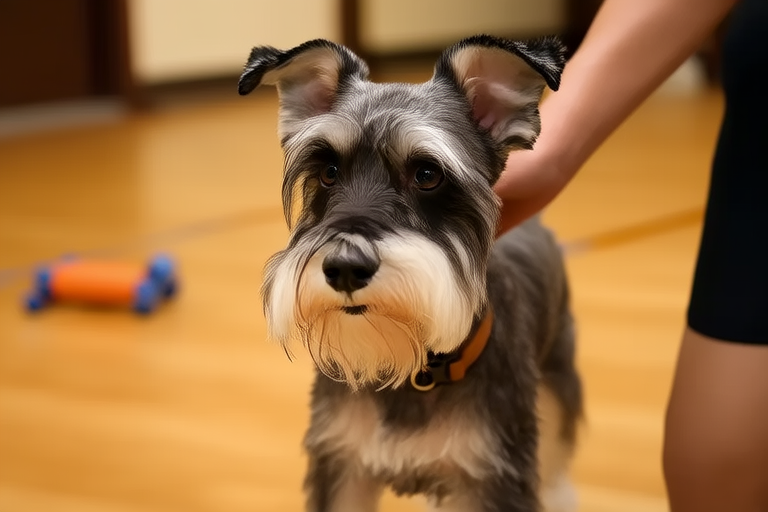
Training Tips for Raising an Exceptional Schnauzer Pup
Raising an exceptional schnauzer pup involves more than just feeding and playing with your dog. It requires dedication, patience, and a well-thought-out plan that includes training, socialization, health considerations, grooming tips, and addressing common behavioral issues. This comprehensive guide aims to provide you with all the necessary information to raise a well-behaved, healthy, and happy schnauzer.
Essential Training Methods
Training is one of the most important aspects of raising a schnauzer pup. Positive reinforcement is key when it comes to training your dog. This method encourages good behavior by rewarding your dog when they do something right. The rewards can be treats, praise, or playtime. Consistency is equally important. Ensure that everyone in the household uses the same commands and rewards system. This will help your schnauzer understand what is expected of them.
Begin training as soon as you bring your puppy home. Start with basic commands like sit, stay, come, and down. Use short, frequent training sessions to keep your puppy engaged. Keep training sessions fun and positive. Avoid harsh punishments, which can lead to fear and aggression. Instead, focus on building a strong bond with your puppy through positive interactions.
Teaching your schnauzer to walk on a leash is another crucial aspect of training. Start by introducing your puppy to the leash in a calm environment. Let them get used to the feel of the leash before attaching it. Once they are comfortable, take them for short walks around the house. Gradually increase the length and complexity of your walks as your puppy becomes more comfortable.
Socialization Techniques
Early socialization is vital for the development of a well-rounded schnauzer pup. Expose your puppy to different environments, people, and other animals from a young age. This will help them become comfortable and confident in various situations. Socialization should start as early as possible, ideally between the ages of 3 to 14 weeks.
Take your puppy to different places such as parks, pet stores, and friends’ houses. Introduce them to people of different ages, genders, and ethnicities. Encourage strangers to interact with your puppy in a friendly manner. This will help them become accustomed to human contact and reduce any potential fear or aggression towards strangers.
It’s also important to introduce your schnauzer to other dogs and pets. Arrange playdates with other well-socialized dogs. If your schnauzer is exposed to other pets at a young age, they will be less likely to develop territorial or aggressive behaviors later in life.
Health Considerations
Regular veterinary check-ups are essential for maintaining your schnauzer’s health. Schedule routine visits to your veterinarian for vaccinations, deworming, and general health checks. Keep up-to-date with recommended vaccination schedules to protect your puppy against common diseases.
Diet is another important factor in maintaining your schnauzer’s health. Provide your puppy with high-quality food that meets their nutritional needs. Consult with your veterinarian to determine the appropriate amount and type of food for your puppy. Avoid overfeeding, which can lead to obesity and related health problems. Ensure your schnauzer has access to clean water at all times.
Maintain your schnauzer’s dental hygiene by brushing their teeth regularly. Dental issues can lead to serious health problems if left untreated. You can purchase specialized toothbrushes and toothpaste for dogs to make this task easier. Additionally, provide your schnauzer with chew toys that promote dental health.
Grooming Tips
Schnauzers have a unique coat that requires regular grooming to maintain its appearance and prevent matting. Brush your schnauzer’s coat daily to remove loose hair and prevent tangles. Use a slicker brush or a pin brush depending on the texture of your schnauzer’s coat.
Trim your schnauzer’s nails regularly to avoid discomfort and injury. You can purchase nail clippers specifically designed for dogs. Be cautious not to cut too close to the quick, which can cause bleeding and pain. If you’re unsure about trimming your schnauzer’s nails, consult with a professional groomer.
Bathe your schnauzer every few months or as needed. Use a shampoo that is suitable for dogs and avoid products that contain harsh chemicals. Gently massage the shampoo into your schnauzer’s coat and rinse thoroughly. Dry your schnauzer with a towel and consider using a blow dryer on a low setting for extra comfort.
Common Behavioral Issues and Solutions
Like any breed, schnauzers can exhibit certain behavioral issues. Early intervention and consistent training can help address these issues effectively.
- Aggression: Aggression can stem from fear, frustration, or dominance. Address aggression by identifying the underlying cause and providing appropriate training. Seek professional help if necessary.
- Separation Anxiety: Separation anxiety is common in schnauzers. To address this issue, gradually accustom your puppy to being alone. Start by leaving them for short periods and gradually increase the duration. Provide your schnauzer with toys or puzzles to keep them occupied while you’re away.
- Excessive Barking: Excessive barking can be a challenge. Teach your schnauzer the “quiet” command and reward them when they stop barking. Redirect their attention to another activity when they bark excessively.
- Chewing: Chewing is a natural behavior for puppies. Provide your schnauzer with appropriate chew toys to satisfy their need to chew. Remove items that you don’t want them to chew on and replace them with toys.
Addressing Schnauzer-Specific Needs
Schnauzers have specific needs that should be addressed to ensure their well-being. They are an intelligent breed that thrives on mental stimulation. Provide your schnauzer with puzzle toys and interactive games to keep their mind active. This will help prevent boredom and destructive behavior.
Schnauzers also require regular exercise to maintain their physical health. Daily walks and playtime are essential for keeping your schnauzer fit and healthy. Consider enrolling your schnauzer in obedience classes or agility training to provide them with additional mental and physical stimulation.
Finally, schnauzers are known for their loyalty and protective nature. While this can be endearing, it’s important to balance their protective instincts with proper socialization. Encourage your schnauzer to greet visitors calmly and confidently. This will help them develop into well-rounded and well-behaved adults.
Conclusion
Raising an exceptional schnauzer pup requires a combination of training, socialization, health care, grooming, and addressing common behavioral issues. By following the tips outlined in this guide, you can help your schnauzer develop into a well-behaved, healthy, and happy companion. Remember to always use positive reinforcement and consistency in your training approach. With dedication and love, you can raise an exceptional schnauzer pup that will bring joy and companionship to your life for years to come.
