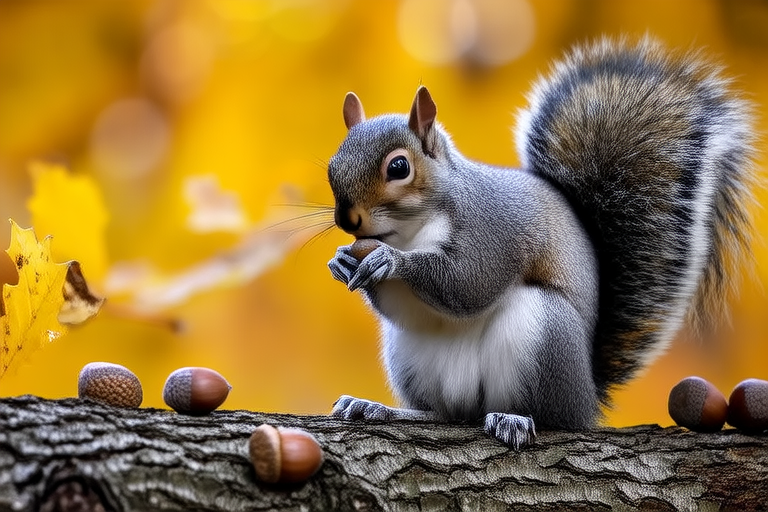
Adventures in Acorns: How Smart Squirrels Are Shaping Urban Spaces
In bustling cities around the world, squirrels are more than just a common sight; they are active participants in the shaping of urban ecosystems. These small, agile creatures have adapted remarkably well to human-dominated landscapes, displaying complex behaviors that challenge our understanding of animal intelligence and their role in the environment. From gathering acorns to storing them in strategic locations, squirrels play a pivotal role in influencing the distribution of plants and enhancing biodiversity in urban settings.
The Cognitive Abilities of Squirrels
Squirrels are known for their remarkable cognitive skills, which enable them to thrive in diverse environments. Their ability to navigate through urban areas while avoiding predators and humans is a testament to their adaptability. Research has shown that squirrels possess excellent spatial memory, allowing them to remember the precise locations of thousands of stored acorns. This ability is crucial during times when food sources are scarce, ensuring their survival.
Studies have also revealed that squirrels can differentiate between types of nuts based on taste, size, and nutritional value. They often choose acorns for storage because of their high energy content, making them ideal for winter sustenance. The process of selecting and caching acorns demonstrates a level of foresight and decision-making that is rarely seen in other small mammals.
Impact on Plant Distribution
As squirrels go about their daily routines, they inadvertently contribute to the spread of plant species throughout urban areas. By burying acorns in various locations, they create new seed beds that can lead to the growth of oak trees in unexpected places. This behavior is particularly significant in cities where native plant species might be limited or underrepresented.
In San Francisco, for example, squirrels have been observed transporting acorns from established oak groves to parks and gardens. Over time, this has led to the emergence of new oak saplings in areas previously devoid of these trees. This phenomenon underscores the importance of understanding the ecological roles played by animals in urban environments, as it can inform strategies for enhancing urban green spaces.
Biodiversity Enhancement
The presence of squirrels in urban settings not only aids in the dispersal of seeds but also contributes to the overall biodiversity of these areas. By creating microhabitats through their caching activities, squirrels provide nesting sites for insects and birds, thereby fostering a richer ecosystem. Moreover, the interaction between squirrels and other wildlife can lead to the development of intricate food webs that support a greater variety of species.
In New York City’s Central Park, squirrels have significantly influenced the park’s flora. Their activities have resulted in the establishment of new tree populations, which in turn attract different bird species and pollinators. This interplay between squirrels and other organisms exemplifies the interconnectedness of urban ecosystems and highlights the potential for wildlife to enhance environmental health.
Challenges and Adaptations
Despite the numerous benefits that squirrels bring to urban ecosystems, they face several challenges in human-dominated landscapes. Traffic, pollution, and habitat fragmentation pose significant threats to their survival. However, squirrels have proven to be resilient, adapting their behaviors to cope with these obstacles.
For instance, squirrels in cities have learned to cross busy streets by waiting for gaps in traffic or using overhead power lines as bridges. They have also developed a keen sense of timing, emerging from hiding spots just moments before pedestrians pass by. These adaptations demonstrate the flexibility of squirrels and their capacity to coexist with humans in urban environments.
Urban Planning and Wildlife Conservation
Recognizing the vital role that squirrels play in urban ecosystems, there is a growing emphasis on incorporating wildlife-friendly designs into urban planning. Cities are increasingly focusing on creating green corridors that connect fragmented habitats, providing squirrels and other wildlife with safe routes for movement and migration.
Moreover, initiatives aimed at restoring native plant species and enhancing biodiversity are gaining traction. These efforts not only benefit squirrels but also contribute to the overall sustainability of urban environments. By fostering an appreciation for the natural world and promoting coexistence with wildlife, urban planners can create more livable cities for both humans and animals.
Conclusion
From their clever caching strategies to their surprising adaptability, squirrels offer a fascinating glimpse into the complexities of urban ecosystems. As we continue to expand our understanding of these intelligent creatures, it becomes clear that their contributions extend far beyond mere entertainment. By influencing plant distribution and enhancing biodiversity, squirrels play a crucial role in shaping the urban landscapes we inhabit.
As cities grow and evolve, it is essential to recognize the value of wildlife like squirrels and incorporate their needs into our planning processes. By doing so, we can create healthier, more sustainable urban environments that benefit both humans and animals alike.
