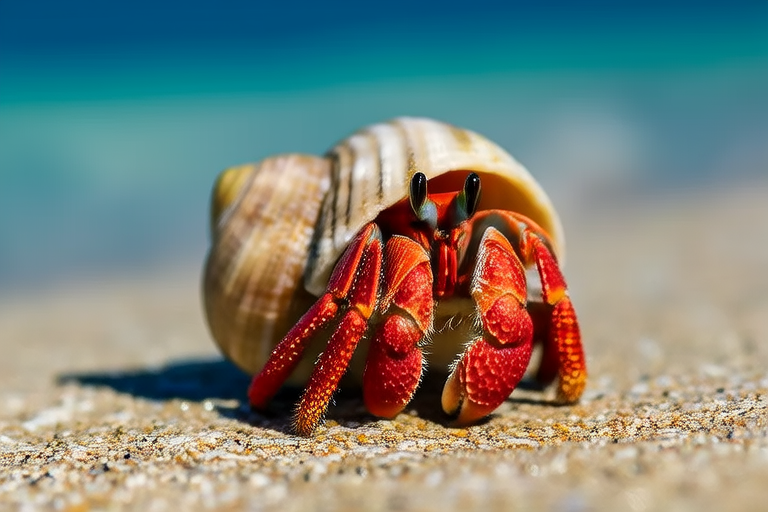
From Sand to Shell: The Unique World of Hermit Crabs
Hermit crabs are fascinating creatures that have captured the imagination of many. These crustaceans, which belong to the superfamily Paguroidea, are known for their peculiar habit of living in discarded shells. They are found in a variety of marine environments, from shallow tropical waters to deep ocean floors. This article will explore the world of hermit crabs, delving into their natural habitats, unique behaviors, dietary habits, social interactions, and their role in the ecosystem. We’ll also discuss the challenges they face in the wild and provide tips for responsible pet ownership.
The Natural Habitat of Hermit Crabs
Hermit crabs are predominantly marine animals, but some species can be found in brackish water or even on land. Their preferred habitats include coral reefs, seagrass beds, mangrove swamps, and sandy or rocky shores. These environments offer ample hiding spots and food sources, making them ideal for these small crustaceans. Hermit crabs often burrow in sand or seek refuge in crevices among rocks and corals. Some species are even known to inhabit freshwater environments, showcasing their adaptability.
The Unique Shell-Changing Behavior
One of the most distinctive features of hermit crabs is their use of empty snail shells for protection. As hermit crabs grow, they outgrow their current shell and must find a new one. This process is crucial for their survival, as it provides shelter from predators and environmental elements. When searching for a new home, hermit crabs often engage in a lively exchange, where multiple crabs compete for the same shell. This behavior is both intriguing and essential for their well-being.
Dietary Habits
Hermit crabs are omnivorous scavengers, feeding on a variety of organic matter. Their diet typically includes algae, decaying plant material, small pieces of fish, and other marine detritus. In some cases, hermit crabs may also consume the soft tissues of dead animals. Their feeding habits play a vital role in nutrient cycling within their ecosystems, breaking down organic matter and recycling nutrients back into the environment.
Social Interactions
While hermit crabs are often solitary creatures, they do interact with others of their kind, particularly during mating and shell exchanges. Mating rituals vary among species, but generally involve males depositing sperm packets near females, who then fertilize their eggs. After mating, female hermit crabs carry thousands of eggs attached to their abdomens until they hatch. The larvae then drift in the ocean currents before settling on the seabed and developing into juvenile hermit crabs.
Contribution to Ecosystems
Hermit crabs play a significant role in maintaining the balance of their ecosystems. By consuming decaying matter, they help prevent the buildup of organic waste, which could otherwise lead to oxygen depletion in aquatic environments. Additionally, their burrowing activities aerate the substrate, improving water circulation and promoting the growth of beneficial microorganisms. These actions contribute to the overall health and biodiversity of marine ecosystems.
Challenges in the Wild
Despite their adaptability, hermit crabs face numerous challenges in the wild. Habitat loss due to coastal development, pollution, and climate change poses a significant threat to their survival. Rising sea levels and increased storm activity can destroy nesting sites and alter the availability of suitable shells. Pollution, including plastic debris, further complicates their search for adequate shelter and can introduce harmful toxins into their food sources. Conservation efforts are crucial to mitigate these threats and ensure the continued existence of hermit crab populations.
Tips for Responsible Pet Ownership
If you’re considering adopting hermit crabs as pets, it’s essential to understand their specific needs and care requirements. Provide a spacious tank with a mixture of sand, gravel, and rocks to mimic their natural habitat. Offer a variety of shells of different sizes and shapes for your crabs to choose from, ensuring there are always more than enough available. A balanced diet consisting of commercial hermit crab food, fresh fruits, and vegetables will keep your pets healthy. Regular cleaning and maintenance of the tank are necessary to prevent the buildup of harmful bacteria and ensure optimal water quality.
Responsible ownership also involves being mindful of the environmental impact of your pet choices. Avoid purchasing hermit crabs from unsustainable sources and consider adopting from reputable breeders or rescue organizations. By supporting ethical practices, you contribute to the conservation of hermit crab populations in the wild.
Conclusion
Hermit crabs are remarkable creatures with unique behaviors and ecological importance. Understanding their natural habitats, dietary habits, and social interactions provides valuable insights into their lives. While they face numerous challenges in the wild, raising awareness and practicing responsible ownership can help protect these fascinating crustaceans. By appreciating hermit crabs and their contributions to marine ecosystems, we can work together to ensure their continued existence for future generations to enjoy.
